

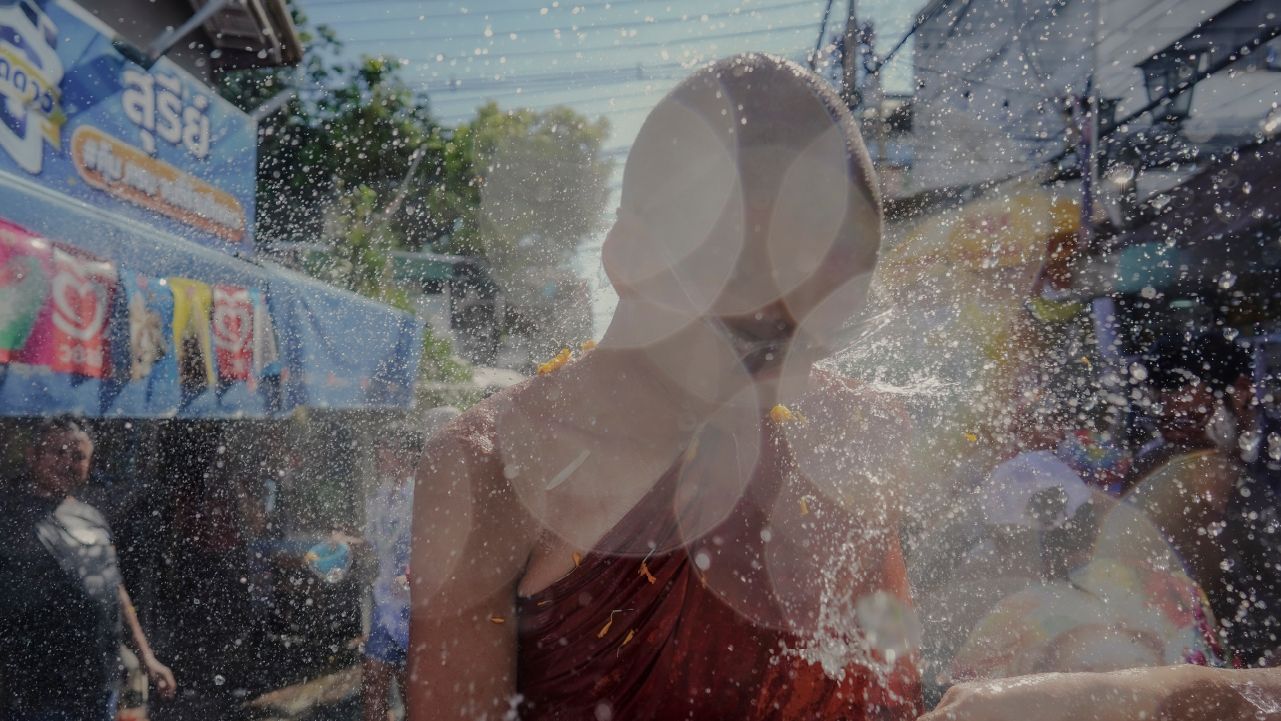
The New Year water festival is not just a tradition confined to Thailand but a cultural heritage flowing through the lifestyles and religious beliefs spanning from South Asia to Southeast Asia.
Every nation celebrating this festival shares a common thread of faith rooted in ancient Indian Theravada Buddhism before branching into unique local identities in Thailand, Laos, Myanmar, Cambodia, Sri Lanka, and southern China.
Thairath Plus will explore how each nation infuses its distinct spirit and identity into these flowing waters.
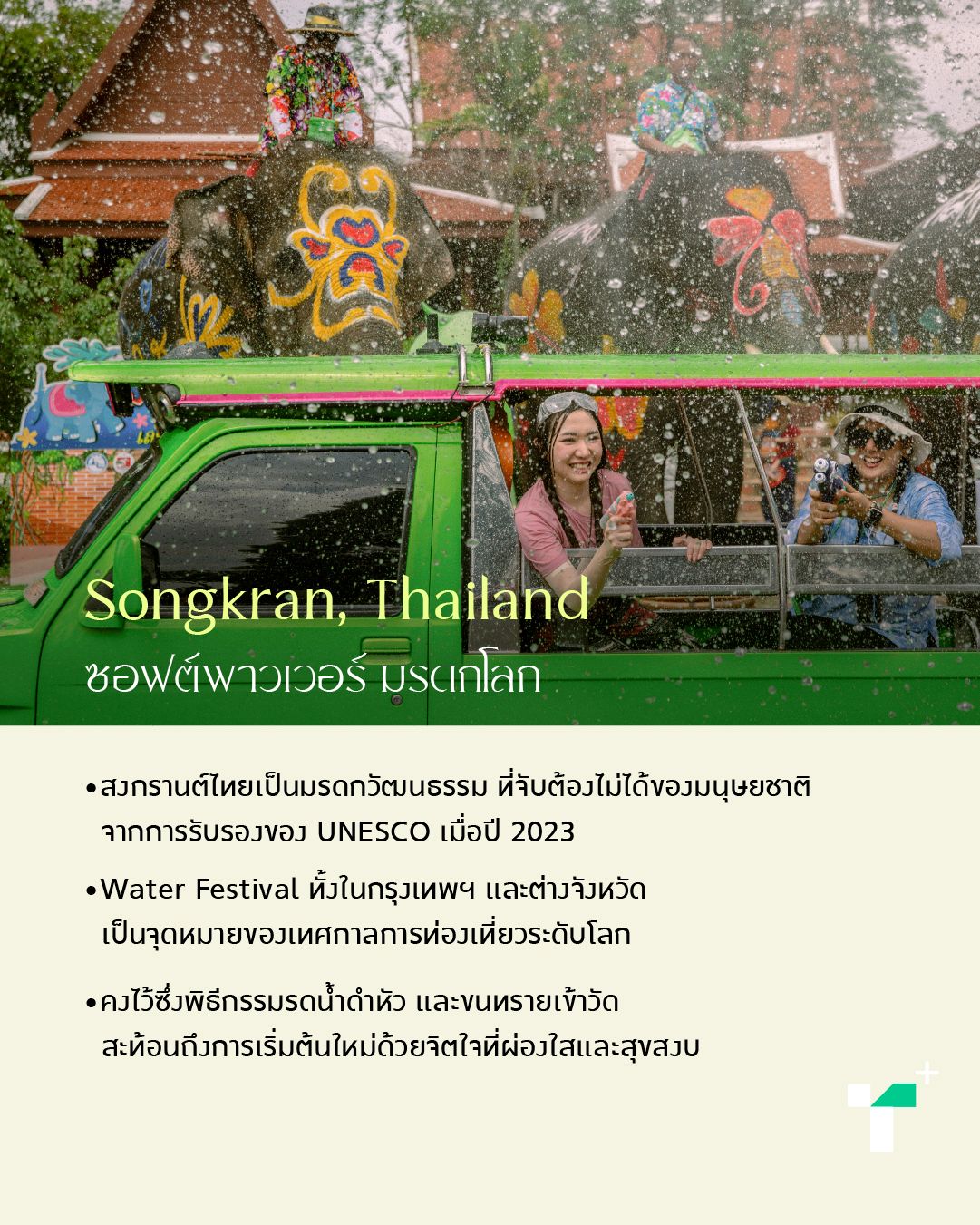
Thailand’s Songkran is an intangible cultural heritage recognized by UNESCO in 2023. Beyond being a globally renowned Water Festival destination, it marks a gentle traditional transition into the new year through rituals like pouring water to show respect to elders and the sand temple-building tradition at temples, symbolizing returning earth carried on one's feet back to the Buddhist sanctuary — reflecting a fresh and peaceful new beginning.
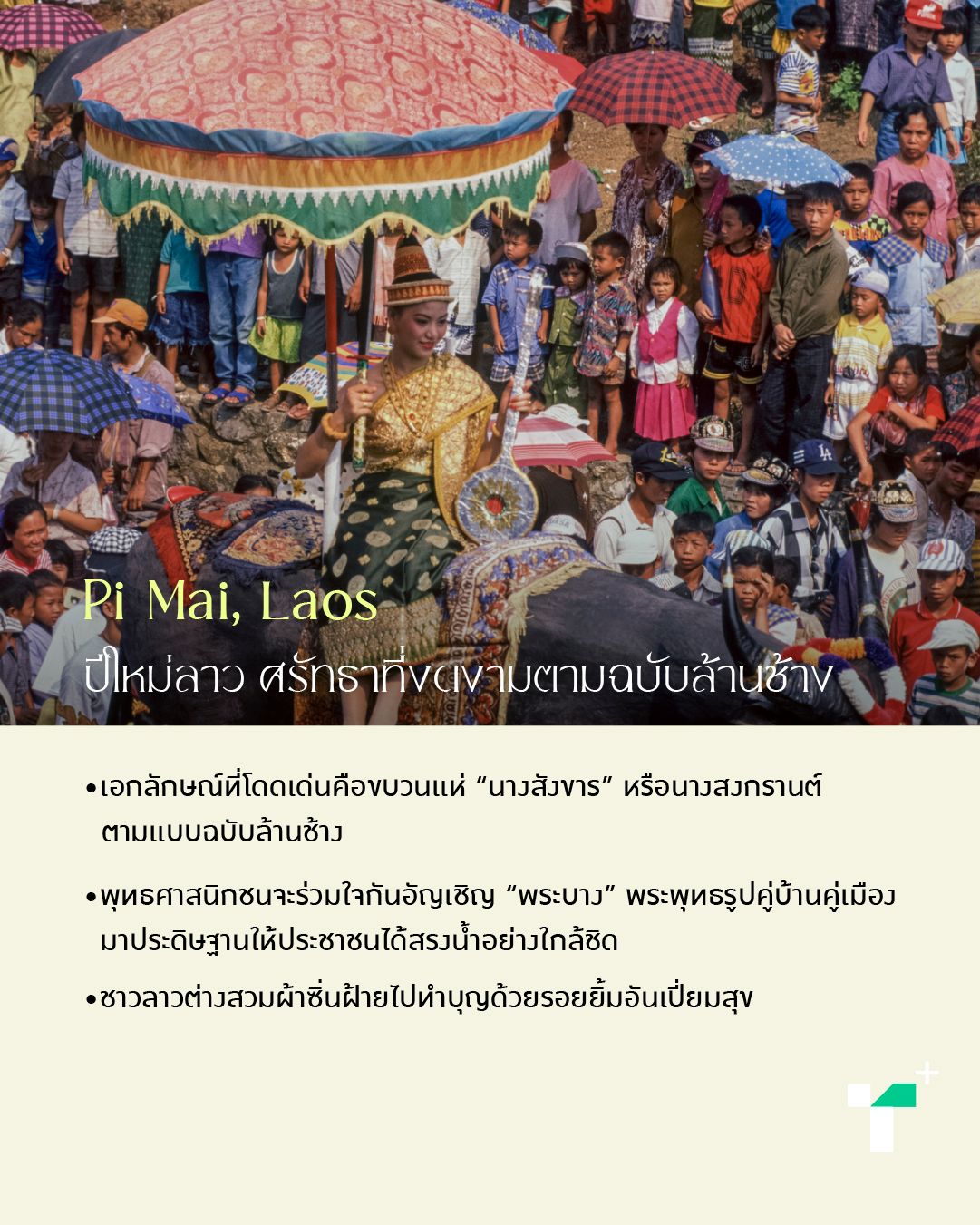
In the World Heritage city of Luang Prabang, the distinctive feature is the parade of the “Lady of the Body” or Nang Sang Khar, embodying Lan Xang elegance. Devout Buddhists collectively carry “Phra Bang,” the city’s revered Buddha statue, allowing the public to pour water on it closely. The blessed water is carefully preserved for good fortune. This moment is filled with the fragrance of champa flowers and the exquisite cotton sinh skirts worn by joyful Lao people making merit with radiant smiles.
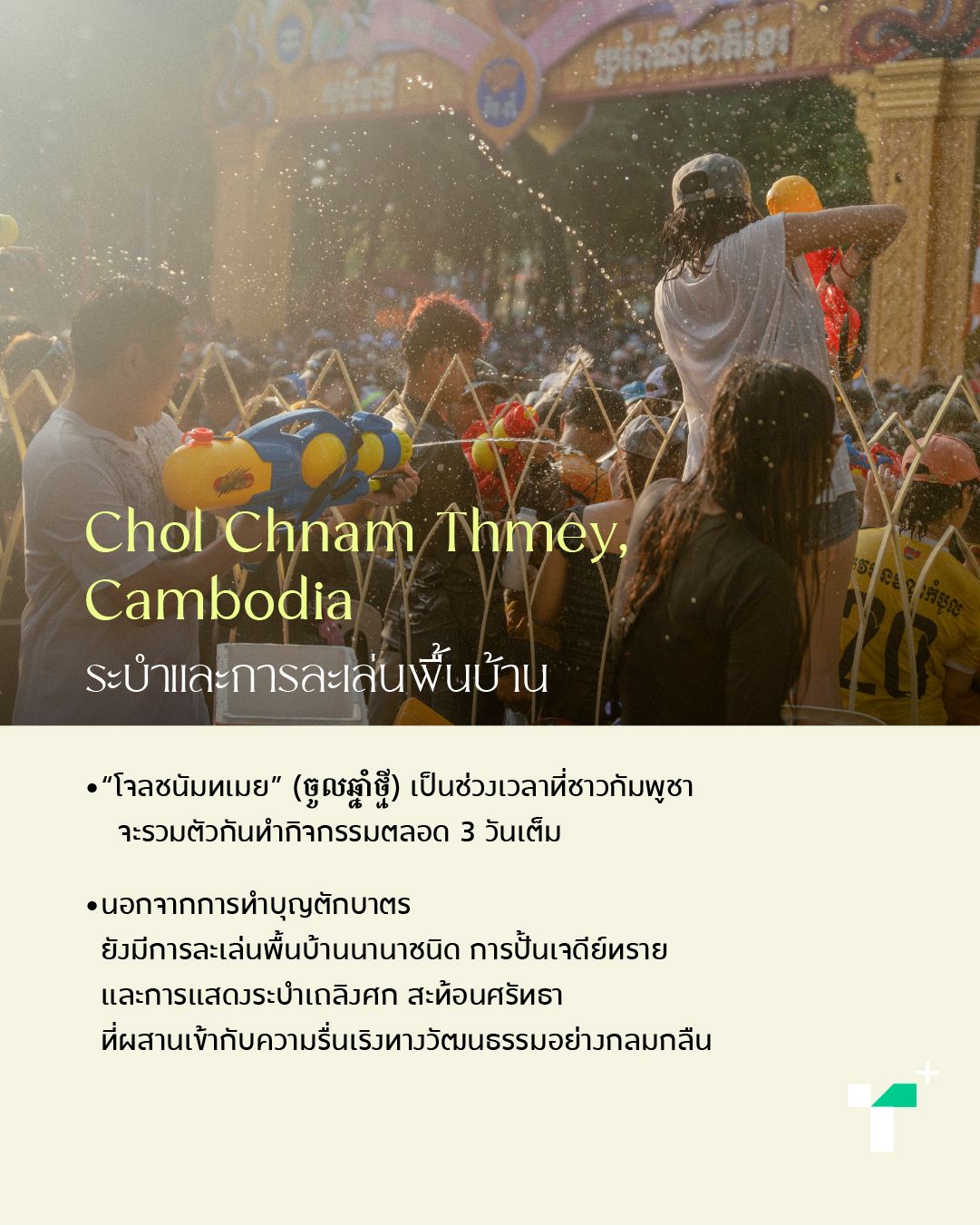
“Chol Chnam Thmey” (ចូលឆ្នាំថ្មី) is a three-day period when Cambodians gather for activities including merit-making at temples, various folk games, sand pagoda building, and traditional dance performances. These vividly reflect a faith that seamlessly blends with cultural festivity.
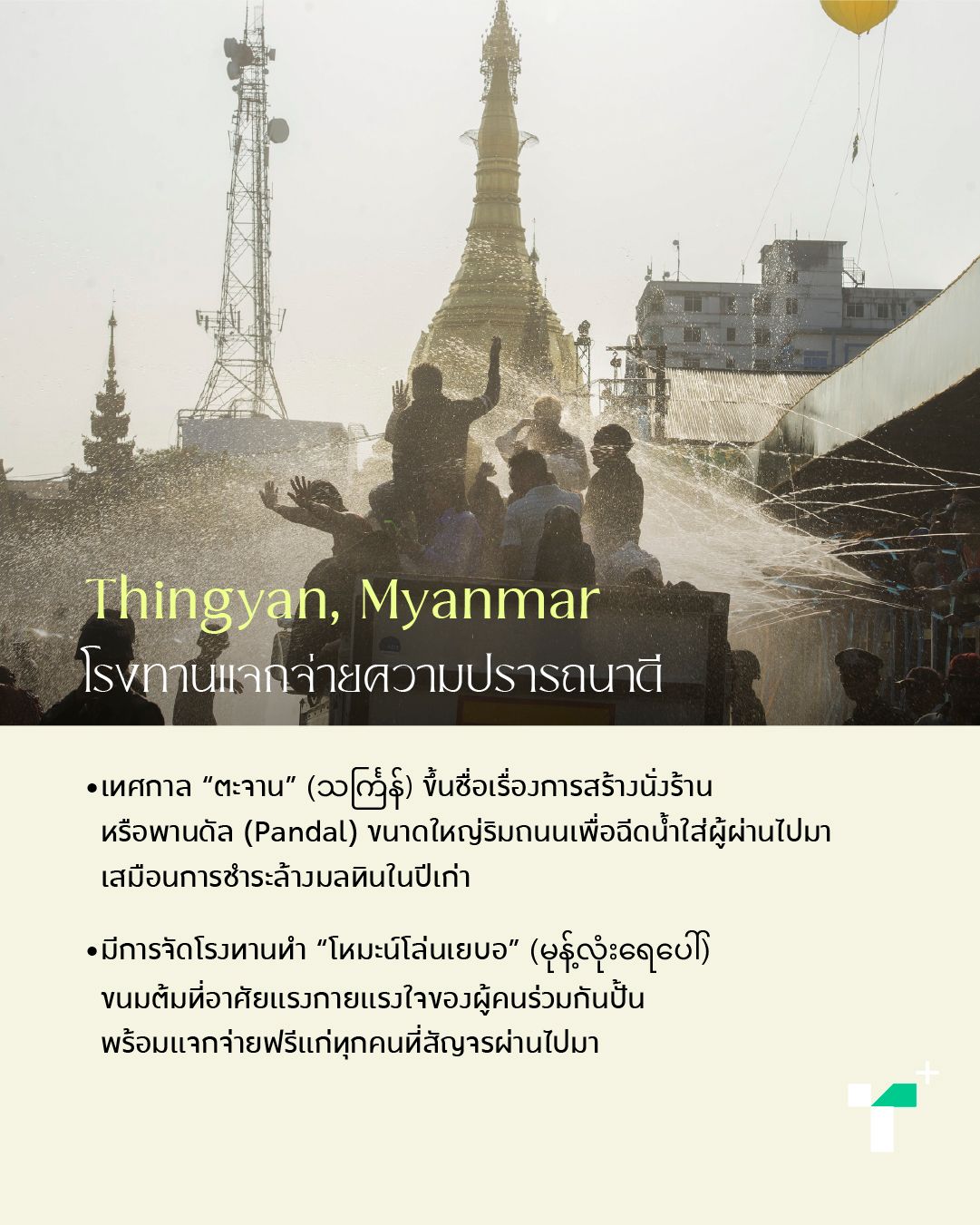
Myanmar’s “Tazan” (သင်္ကြန်) festival is famous for the fun created by large roadside scaffolds or pandals for spraying water at passersby, symbolizing cleansing the old year’s impurities. Warmth comes from charity kitchens offering traditional sweets like “Mon Lon Ye Bo” (မုန့်လုံးရေပေါ်), steamed treats made with communal effort, reflecting community unity as they share goodwill through sweets with everyone passing by.
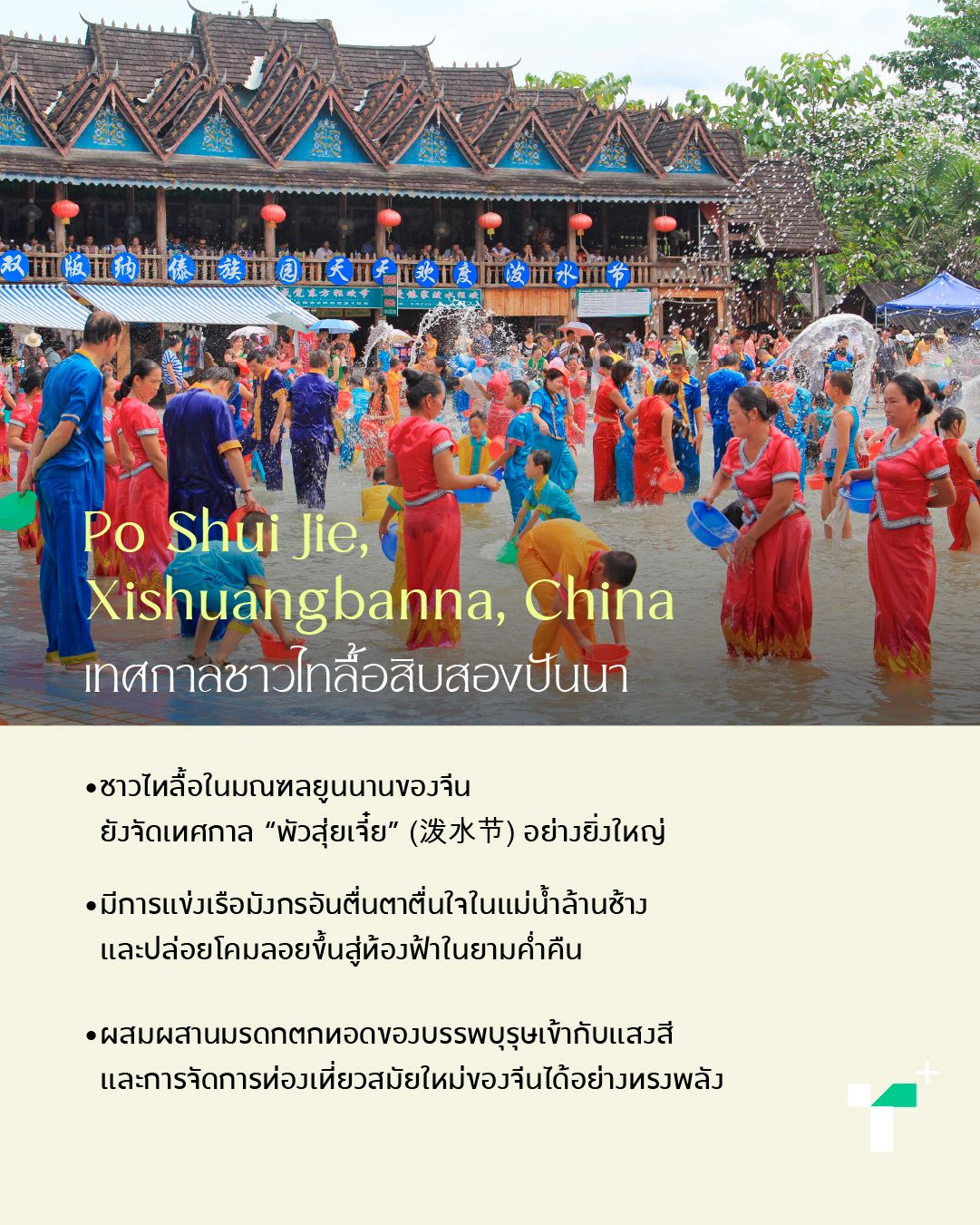
The rich Tai Lue culture in China’s Yunnan province shines through the grand water festival “Po Shui Jie” (泼水节). A key feature connecting life to the Mekong or Lancang River is the thrilling dragon boat races and the release of sky lanterns called Kongming or Kongbeng lanterns at night to make wishes — a powerful blend of ancestral heritage with modern Chinese light shows and tourism management.
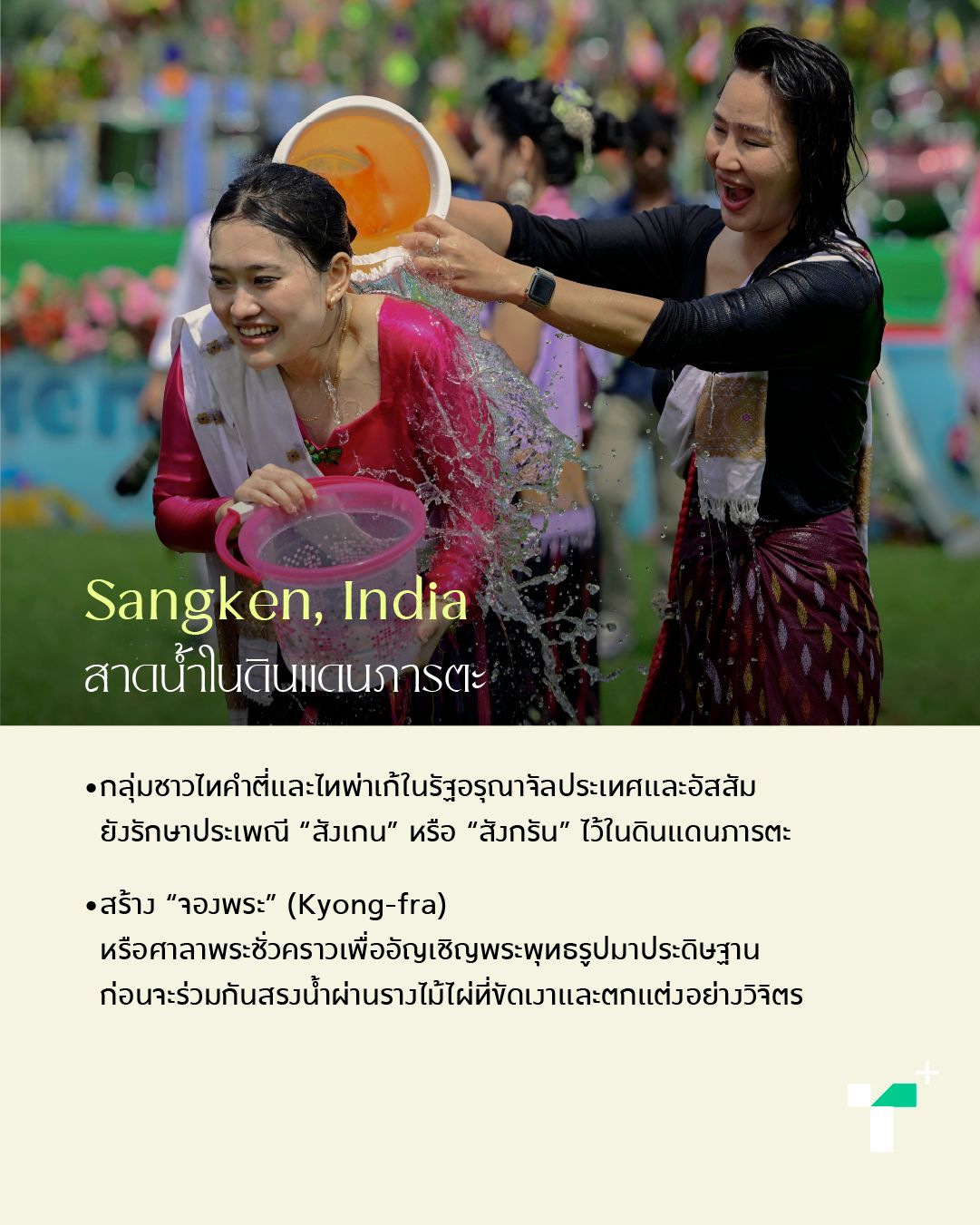
In India’s northeast states Arunachal Pradesh and Assam, the Tai Khamti and Tai Phake communities firmly preserve the “Sangken” or “Songkran” tradition. A distinctive practice is building a temporary shrine called “Kyong-fra” to enshrine Buddha images, followed by communal water pouring over the statues through polished and beautifully decorated bamboo gutters. Villagers dressed in traditional attire solemnly use silver bowls to pour water on the Buddha, reflecting a faith that transcends time and territory impressively.
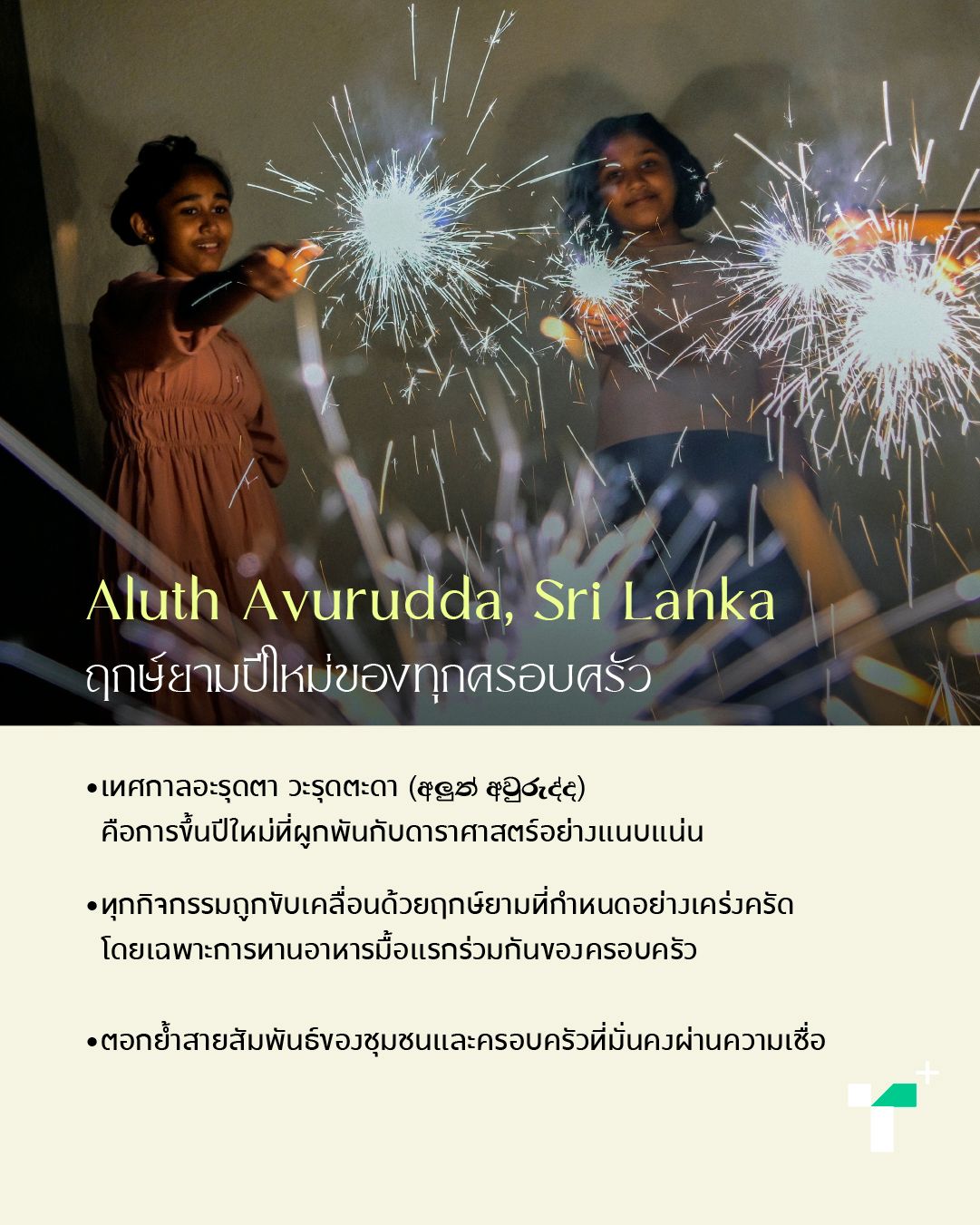
Finally, Sri Lanka’s Aluth Avurudda (අලුත් අවුරුද්ද) New Year festival is closely tied to astronomy, with all activities strictly governed by astrologers’ auspicious timings. Especially significant is the first family meal of the year and sharing food prepared together with neighbors, reinforcing strong community and family bonds through faith.
Whether from water guns flooding the streets, silver bowls carefully pouring water over elders’ hands, or water flowing along bamboo channels to Buddha images, all water ultimately symbolizes cleansing old impurities to welcome new hope after the New Year, reflecting enduring ties that connect people across this region endlessly.
#ThairathPlus #Thairath #Songkran2026