

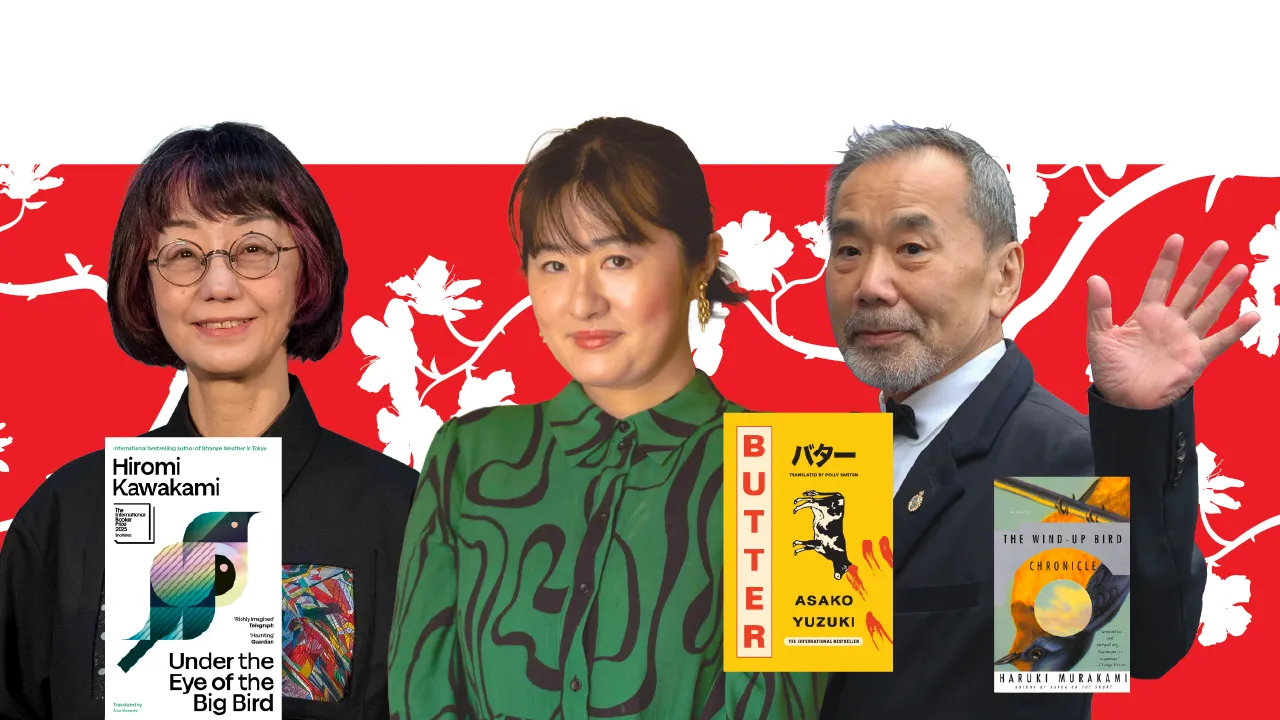
When entering a Kinokuniya bookstore and strolling through the literature and novel sections, besides the familiar Western books, one can clearly notice a dedicated shelf of Japanese works carefully curated and displayed. Some might think this is because Kinokuniya is a Japanese franchise heavily promoting Japanese books, but visiting other leading bookstores like Asia Books, SE-ED, Naiin, or B2S, regardless of nationality, one will also find sections gathering and presenting Japanese literature.
Shifting to the online world, we often see book covers by Japanese authors shared by artists and influencers on Instagram or TikTok, such asDays at the Morisaki Bookshop, Before the Coffee Gets Cold, Butter, and novels by Yoko Ogawa. Regardless of the posting purpose, this reflects that Japanese literature and novels are increasingly penetrating the Thai reading market each year. Nielsen BookScan’s recent surveys found that over 25% of bookstore market sales are translations of Japanese novels. Currently, more than 360 modern Japanese novels have been translated into English. Moreover, the popularity of Japanese novels has fostered online communities like the Facebook groupJapanese Literaturewhich serves as a dedicated space for exchanging opinions on notable Japanese books.
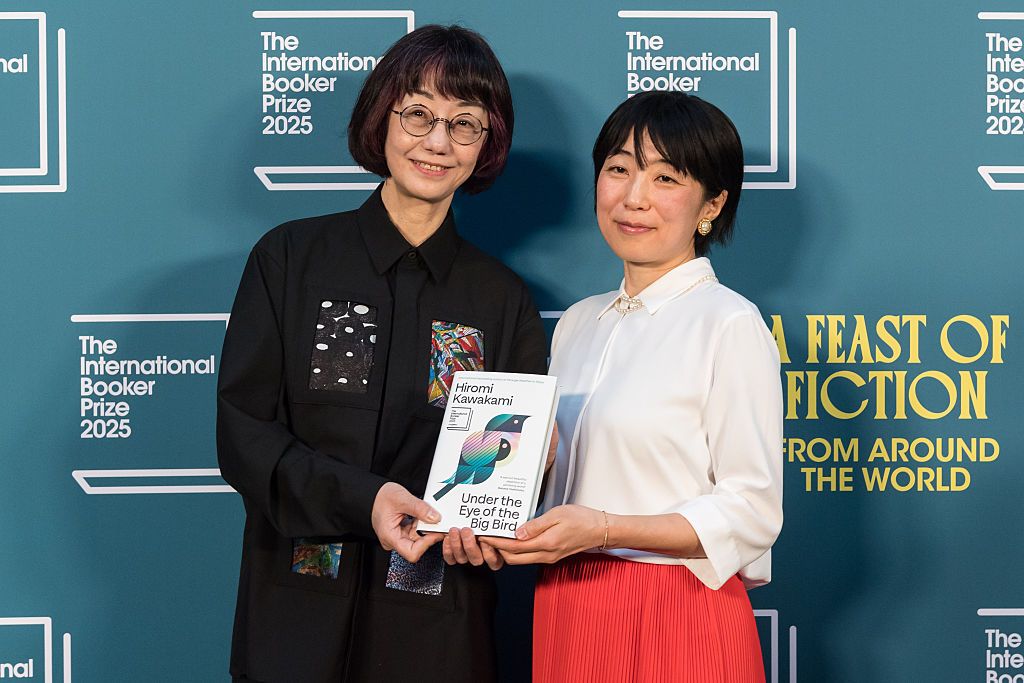 Hiromi Kawakami (left), Asa Yoneda, translator (right).
Haruki Murakami and Banana Yoshimoto: Pioneers in the Western Market.
Haruki Murakami is a Japanese author familiar to both Thai and global audiences for nearly 10-20 years. He is known for books likeNorwegian Wood, Kafka on the Shore, 1Q84,and many others. Murakami became a remarkable phenomenon for Western and Japanese readers alike through his magical realism storytelling about Japanese society, characterized by a unique and captivating style. However, some analyses note that Murakami diverged significantly from traditional Japanese literary conventions, as he admitted in the introduction to the anthology "The Penguin Book of Japanese Short Stories" that he had read few Japanese works and was clearly inspired by Western writers, especiallyThe Penguin Book of Japanese Short Stories. Kurt Vonnegut This partly explains why his narratives have a straightforward Western style, making them more accessible to Western readers, unlike traditional Japanese works that emphasize mood and indirect expression.
While Murakami is often considered one of the first Japanese authors to go global, this is not entirely accurate, as Banana Yoshimoto had already entered the Western market in the mid-1980s. Both authors share a modern, direct language style that explores alienation, surrealism, and societal resistance to hope. Kenzaburo Oe is another Japanese Nobel laureate who harshly criticized both for presenting youthful experiences disconnected from politics or social conditions and lacking the high literary art (Junbungaku), seeing their works as mere subculture akin to mainstream novels. However, he revised his view after Murakami publishedThe Wind-Up Bird Chronicle,which addressed war history and earned praise for bringing Japanese literature to the international stage.
After Murakami’s era, more Japanese works have been translated into various languages, such asButter,by Asako Yuzuki, ,Tokyo Express,by Seicho Matsumoto, and others by Hiromi Kawakami, Sayaka Murata, and Mieko Kawakami. One of the most popular books isConvenience Store Woman,by Murata, which tells the story of Keiko, a 36-year-old woman struggling to find satisfaction in life through her work in a small convenience store. This novel represents a new phenomenon since Murakami’s time, selling two million copies and translated into over 30 languages. Jason Arthur, vice president of Granta Publishing, said, “She (Murata) is remarkable. The role ofConvenience Store Womanin the Japanese literary boom is no exaggeration.” Even Ginny Tapley Takemori, an English translator, observed that the Western book industry is shifting from “Can you find works like Murakami?” to “Can you find works like Murata?”
 Haruki Murakami
shows that works popular in foreign markets often depict everyday life. While Murakami explores mental states and lonely emptiness, Murata portrays ordinary human struggles and survival.
Ginny Tapley explains that Japanese works lack the black-and-white dichotomy typical of Western literature; instead, they dwell in nuanced gray areas, reflecting the complexity of real life. But this is not the only genre captivating global readers, as Japan also produces heartwarming stories likeBefore the Coffee Gets ColdandWhat You Are Looking for Is in the Library,especially those involving “cats,” such asThe Travelling Cat Chronicles,by Hiro Arikawa, which sold over a million copies, and classics likeI Am a Cat,a novel by Natsume Soseki, depicting Meiji-era Japanese society through a cat’s perspective. Japan’s close relationship with cats inspires writers with fresh storytelling angles that attract readers similarly. Cats symbolize freedom, warmth, and solitude, traits often compared to the Japanese themselves.
The Movement and Development of Japanese Literature: Exploring the Mind and Loneliness of Life
Ginny Tapley explains that Japan has been interested in Western literature since the Meiji era (1868–1912), focusing on themes of loneliness and alienation in society. These works often center on protagonists with eccentric knowledge of their surroundings. Earlier Japanese literature was mainly shishosetsu (autobiographical novels) involving daily life routines. The arrival of Western literature during Meiji and the trend toward vernacular writing inspired many Japanese authors to experiment, often drawing from Russian realism renowned for expressing inherent loneliness. Japan’s historical transition from Edo to Meiji caused societal anxiety, reflected in the Meiji-era literature’s theme of isolation.
This era’s societal changes led Japanese writing to revolve around alienation, especially in works by Osamu Dazai, such asNo Longer Human(Thai translation:Lost Humanity). This story follows Yozo Oba, a young man who masks himself with humor but feels alienated inside, eventually falling into chronic alcoholism and ending his own life. Published in 1948, one month after Dazai’s suicide at age 38, this short novel is considered a Japanese existentialist work alongsideCrime and Punishmentby Fyodor Dostoevsky andThe Strangerby Albert Camus, all addressing social alienation with sophistication.
Similarly, Yukio Mishima, a contemporary of Dazai, explored inner psychology in works likeThe Temple of the Golden Pavilion,which tells of the young monk Misoguchi’s obsession with beauty in Kyoto’s Kinkaku-ji Temple, culminating in arson. Mishima guides readers through Misoguchi’s alienation caused by stuttering and loneliness, aligning with nihilism as Misoguchi destroys the temple to liberate himself from unattainable beauty.
Mishima’s mentor was Yasunari Kawabata, the first Japanese Nobel laureate in literature. He pioneered the Shinkankakuha (New Sensationist School), rejecting autobiographical realism popular in his time by experimenting with novel language tones inspired by his teachers and Western writers like James Joyce, Virginia Woolf, and Marcel Proust. Kawabata’s work broke traditional Japanese literary conventions, ushering in a true modern era.
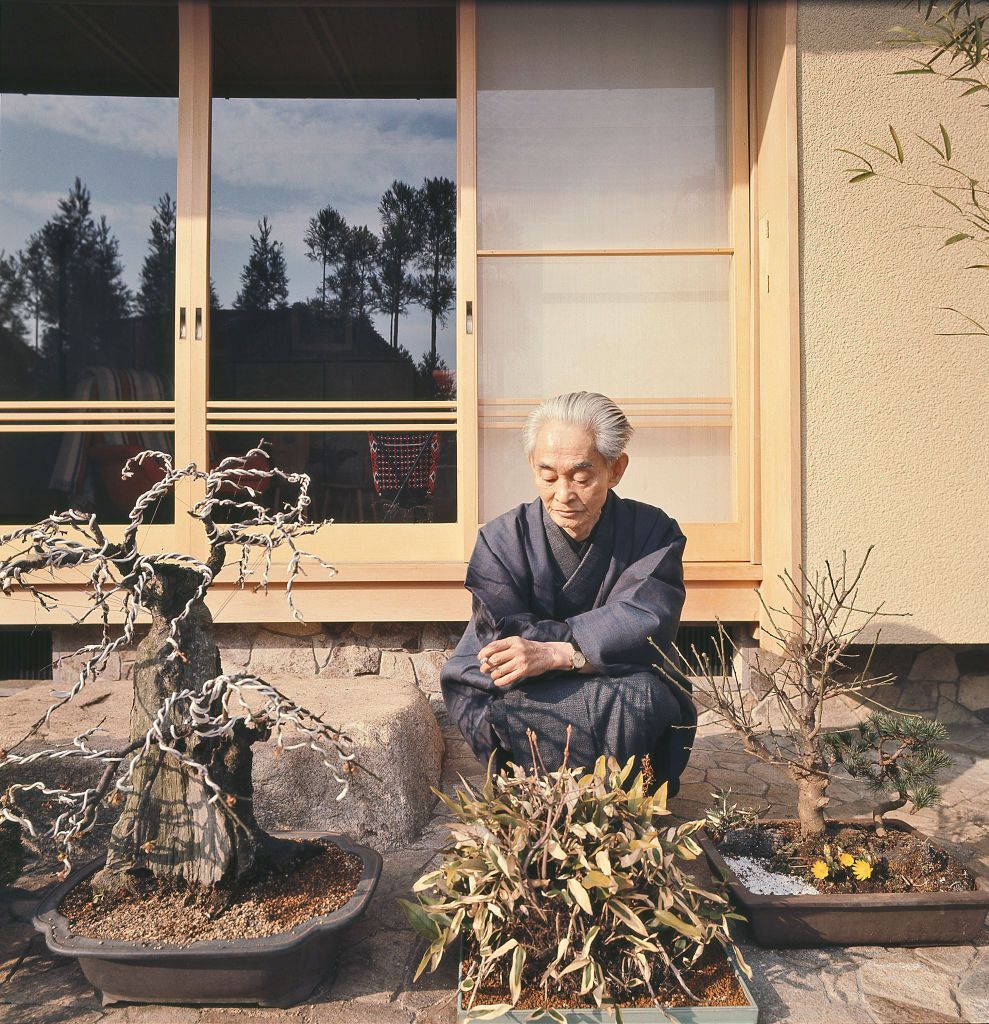 Yasunari Kawabata
The continuity of Japanese literary movements has kept a strong foundation for reading and writing through the ages, evolving into diverse genres exploring happiness in daily life or reflecting ordinary human experiences, as in the short storyThe Watery Realm,by Yuko Tsushima, Dazai’s daughter, which portrays the struggles of a middle-aged single mother against Japanese societal values, weaving in folktales related to her husband’s death. This exemplifies newer generations of writers expressing alternative life perspectives.
The popularity of Japanese literature reflects readers’ yearning for emotional resonance, a mirror to the human psyche. Many Japanese authors seem to understand this deeply, since life is rarely purely beautiful or positive. Beneath the surface, life involves struggle, questioning, and courage to face the unfamiliar. Loneliness inevitably occurs at some point, perhaps explaining why Japanese literature resonates so well worldwide.
Translators and Government Agencies: Valuable Driving Forces
Undeniably, without support from the Japanese government, the volume of Japanese literature exports would be far less than today. As mentioned, Japanese novels were first exported in the 1980s-1990s, but like other foreign works, translations usually begin with proposals by translators to publishers. In this case, those translating Japanese into English present authors’ works to Western publishers. Another route is agencies negotiating with Western publishers to offer appealing works, such as the Tuttle-Mori Agency, known by its red "Tuttle" logo, which has introduced Western readers to Japanese short horror stories, folklore, legends, and history.
The main challenge is budget, especially for translating lengthy novels while preserving the quality of the original. The Japanese government, through the Japan Foundation, provides translation grants to reduce risks for Western publishers, who carefully select titles to ensure sales success. This support has increased English translations and introduced diversity to readers. Consequently, many titles are published by houses like Vintage, Knopf, Penguin Books, Granta, Europa Editions, and others. All this stems from supportive agencies (Japan Foundation was established in 1972) and, importantly, translators.
Japanese translation efforts expanded widely after World War II, as the United States seriously studied Japan through Japanese Studies programs, enhancing Western access to Japanese culture. Additionally, older works likeKwaidanandThe Ghostly Japan,by Lafcadio Hearn, sparked Western interest in Japan early in the 20th century. American scholars emerged, many turning to literary translation, such as Edward Seidensticker, who translated Kawabata’s Snow Country and classic works like Snow Country andThe Tale of Genji.The first translation ofSnow Countryintroduced Westerners to Japanese literary style and helped Kawabata win the 1968 Nobel Prize. Since then, Western interest in Japanese literature has continued steadily with ongoing translations.
 Jimbocho, Tokyo
Studying the origins and significance of Japanese novels’ global spread helps us understand the continuous development of Japanese authors and the factors behind their worldwide popularity. These include government agencies prioritizing support and translators acting as bridges between cultures. Without either, quality Japanese works might not reach foreign markets to offer new literary perspectives and cultural knowledge globally. Meanwhile, Thailand also has many talented writers—Sri Burapha wrote "Behind the Painting" contemporaneously with Kawabata and saw strong development at one point. Unfortunately, there are insufficient Thai translators, not because Westerners find Thai works uninteresting, but because they lack familiarity with Thai literature. Japan serves as an important case study: an Asian country with a culture vastly different from the West and a language requiring significant effort for Western translators. When Thailand increases support sufficiently, perhaps in the future, we will see more Thai literature on Western bookstore shelves than ever before.
References: