

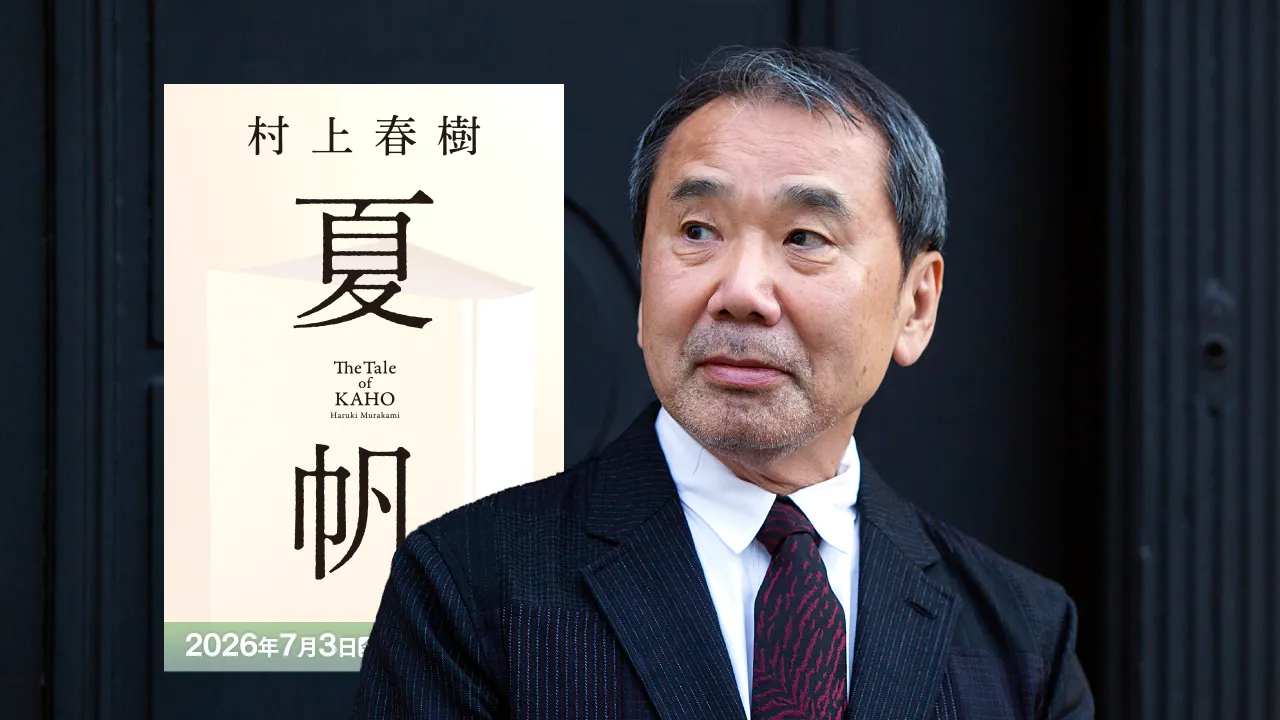
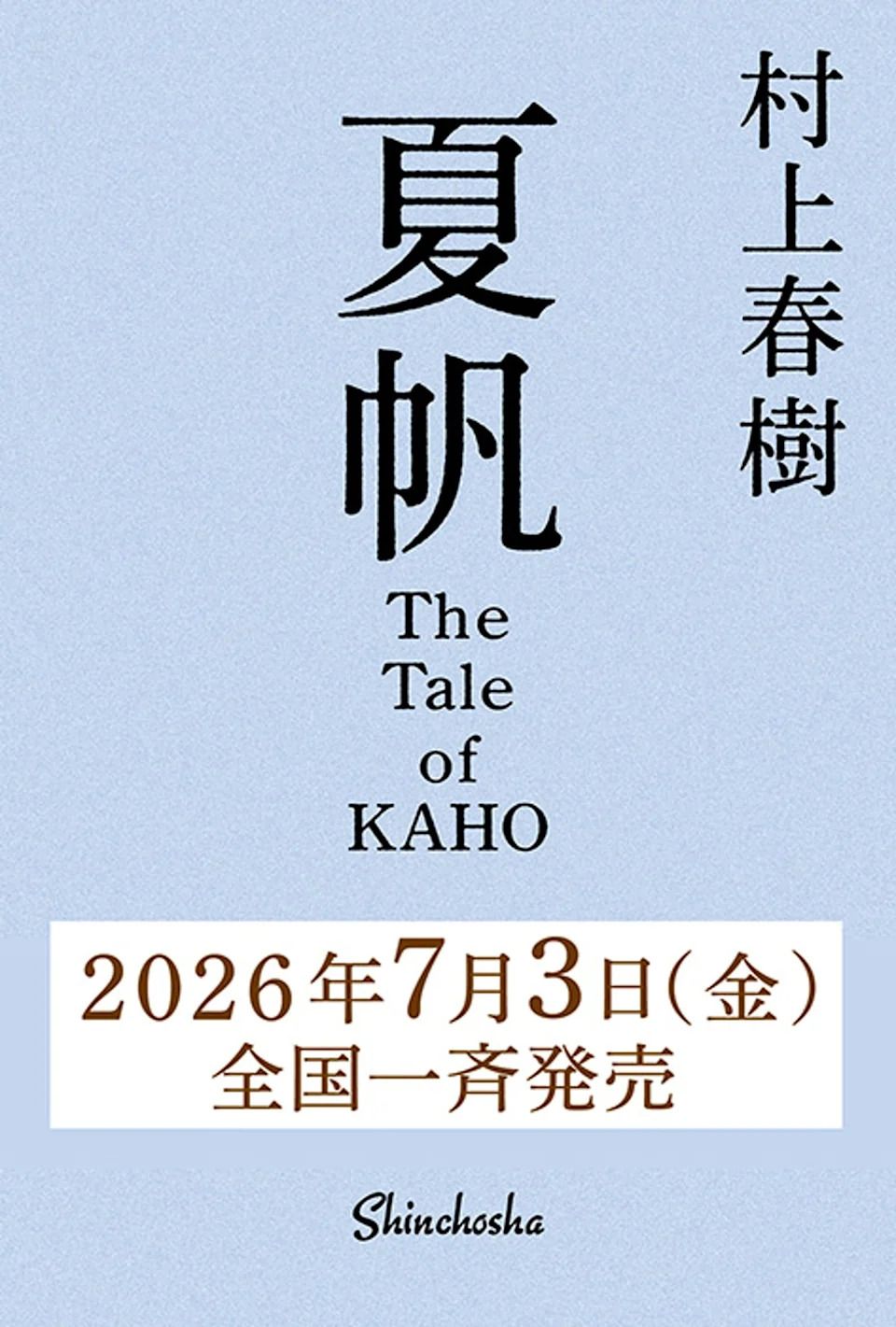
Haruki Murakami, the Japanese author known for acclaimed works such as 1Q84, The Wind-Up Bird Chronicle, and Kafka on the Shore, is set to release a new novel titled The Tale of Kaho. It will be first published in Japan on 3 July. Although the English translation schedule is not yet confirmed, the book has attracted attention as it is Murakami's first novel with a female lead character. Murakami has previously faced criticism regarding his portrayal of female characters in many of his novels over the years.
The publisher stated that this new book will feature a female protagonist for the first time, with the story and perspective primarily conveyed through her point of view. While Murakami's earlier work After Dark featured a female lead, it was told from a third-person perspective, observing and watching rather than directly expressing the character's inner thoughts as planned in this new novel.
The original Japanese version of The Tale of Kaho spans 352 pages and tells the story of Kaho, a 26-year-old picture book illustrator. The novel compiles stories Murakami previously published in the literary magazine Shincho between June 2024 and March 2026, with revisions, edits, and expansions. An English translation of the opening section, by Philip Gabriel, appeared in The New Yorker in 2024. It begins with Kaho on a blind date where the man bluntly tells her, “I’ve dated many types of women in my life, but honestly, I’ve never met anyone as ugly as you.” This provocative opening has stirred attention as many await how Murakami will depict women in this new work, especially after female author Mieko Kawakami criticized him for portraying women as sexual objects.
Back in 2017, Murakami gave his first media interview in years, conducted by Mieko Kawakami, a respected fellow author. Kawakami took the opportunity to ask a question that had long troubled her: why are female characters in Murakami’s novels portrayed the way they are?
“It became common for my female friends to say, ‘If you like Murakami’s work so much, that means you agree with how he portrays his female characters, right?’ This made me feel uneasy about the way your characters are represented,” Kawakami said.
“I think it has to do with the roles these women play—for example, women working almost like oracles or as conduits of fate for the male protagonists. There are many cases where women are presented as mere passages or opportunities for change for the male leads.”
Kawakami continued that these changes often come through sex or situations forcing the female character into sex simply because they are women. Murakami paused before responding: “This might be an unsatisfactory explanation, but I don’t believe my characters are that complex. The focus is on the connection between men and women interacting with the world they live in. If possible, I try not to dwell on the meaning of existence, importance, or symbolism too much. As I said, I am not interested in the individuality of characters, male or female.”

Kawakami sought to understand and maintained during the interview that she felt it was her duty to raise these questions and clarify perceptions in Japanese literature, which has long been seen as peculiar, intriguing, yet mysterious. She cited the works of Yukio Mishima and Yasunari Kawabata, noting they often revolved around the imagery of geishas and Mount Fuji. “We are not like that anymore,” she said. “I no longer want to write works presenting that image. I want to write about real people.”
What Kawakami implied is that while she respects senior writers, she feels that earlier Japanese literature often viewed women through a male gaze lens, a perspective that still lingers today. Women's experiences are frequently ignored or reduced to purity and beauty, serving merely as accessories in men's lives.
Determining Murakami’s true intent in portraying female characters in his earlier works is difficult, but in a 2004 interview with The Paris Review, he said his female characters "are mediums, bearers of the approaching world. That’s why they approach the male protagonist rather than him approaching them." Some readers and critics have accused Murakami of sexism, or perhaps unconscious gender bias.
Haruki Murakami has written 15 books over 47 years and is currently 77 years old. His novels have been translated into over 50 languages, including Thai. His short story Barn Burning was adapted into the film Burning directed by Lee Chang-dong, and Men Without Women inspired the 2021 film Drive My Car. Murakami was among the first contemporary Japanese authors to gain worldwide recognition, although some critics say his works lack a distinct Japanese essence.
Regarding The Tale of Kaho, Murakami told The New York Times in February that writing from a female perspective felt unfamiliar yet natural, as if he had become the character herself. He described the novel as more positive than his previous works. Kaho is portrayed as an ordinary young woman—not especially beautiful or brilliant—yet strange events occur around her. Readers and critics are closely watching how Murakami will depict Kaho’s perspective and whether he will revert to earlier portrayals Kawakami criticized. The English and Thai translations may take a year or two to appear, but the Japanese edition is available from 3 July in print and as an ebook on Amazon.
References: