

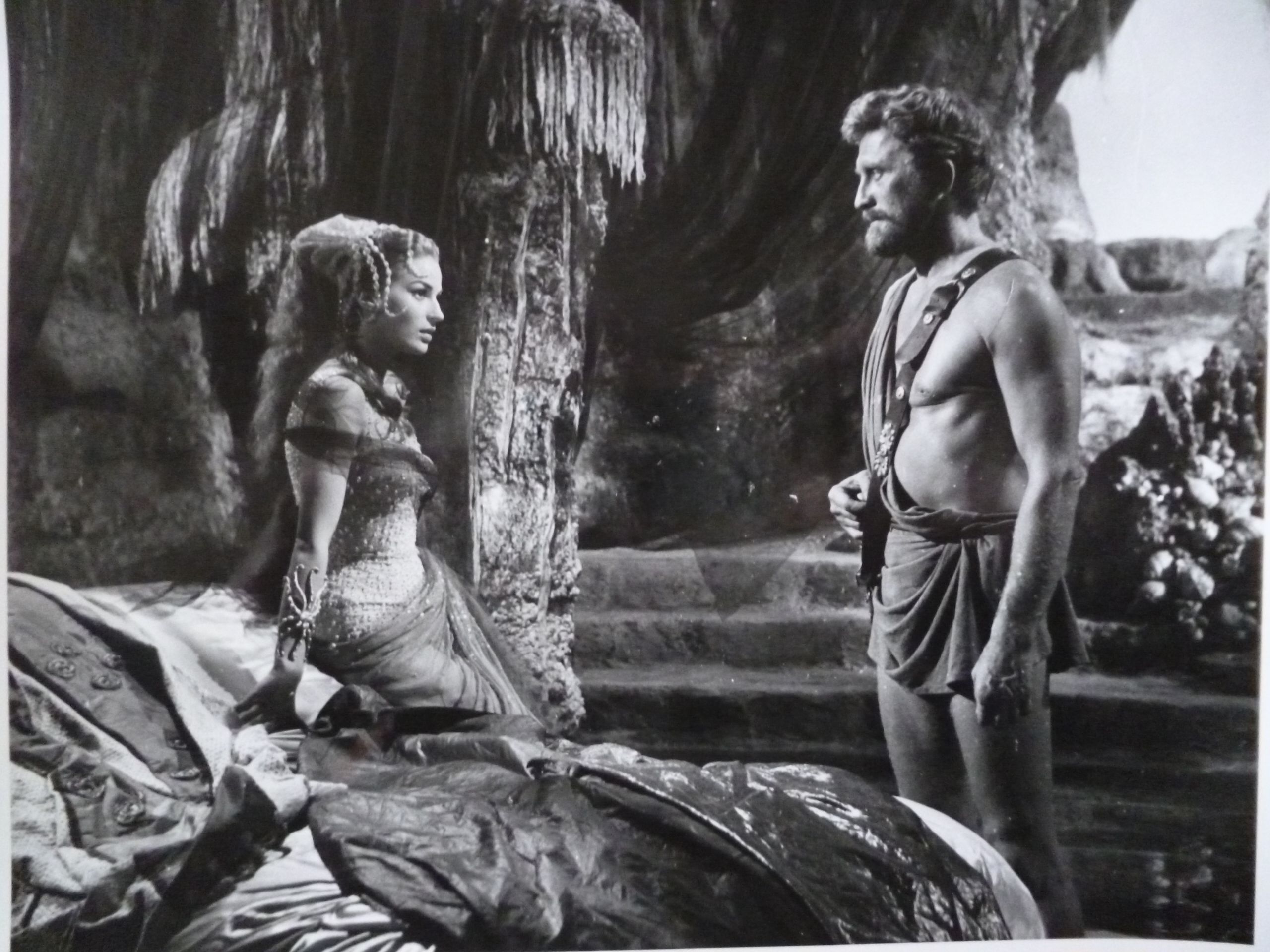
The Odyssey, the epic following The Iliad, is believed to have been authored by a visually impaired poet named Homer—a historical figure whose singular or collective authorship remains debated by scholars. This epic holds immense significance in Western literature, offering rich study material from ancient Greek mythology, values, society, to the psychology embedded in characters’ behaviors still reflecting modern human traits. This importance has elevated The Odyssey to a classic literature status, considered a must-read before death. This classic appeal led Italian directors Francesco Bertolini, Adolfo Padovan, and Giuseppe De Liguoro to adapt it into the silent film L'Odissea, later remade as the 1954 classic Ulysses starring Kirk Douglas. Since then, adaptations have continued in 1968, 1997, 2018, 2024, not counting indie studio attempts.
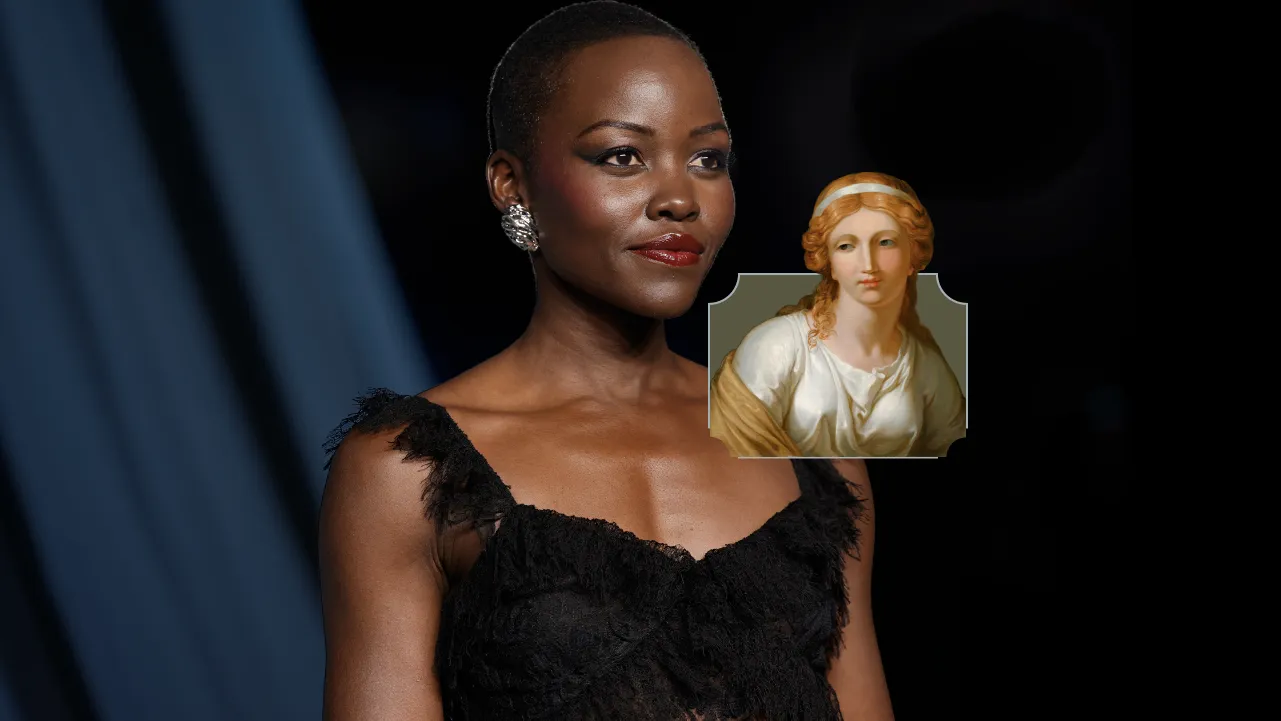
Currently, no adaptation has sparked as much debate as Christopher Nolan’s The Odyssey, especially regarding the casting of Helen—the world’s most beautiful woman—who was abducted by Prince Paris (debated whether she consented, complied, or resisted) as told in The Iliad, which ignited the epic Bronze Age Trojan War. Nolan chose Lupita Nyong’o for this role.
Nolan’s The Odyssey has become his first film to receive over 80,000 dislikes, with about 21 percent expressing dissatisfaction. Beyond Helen’s casting, critics also mention Zendaya’s role as Athena and a notable mismatch in armor design. Experts point out Nolan’s armor resembles Classical Greek period (400–500 BCE), whereas the Trojan War occurred much earlier. Scholars agree the Trojan War was real but far less grandiose than Homer’s description. Agamemnon was a real king, and their armor was bronze with animal horns. Social media pushback says, “We’re here to watch a movie, not a documentary.”
The core controversy over Helen’s role concerns the actress’s race. Nyong’o is Kenyan-Mexican, but many envision Helen as a fair-skinned blonde, as portrayed by Diane Kruger in Troy (2004). Nolan’s casting thus sparked social media backlash over the “misalignment” with the epic’s physical descriptions of Helen. Supporters of diversity counter that Helen was never explicitly described as white, and beauty is not limited to whiteness.
So, how was Helen actually described?
Due to ambiguous translations and interpretations, studying Homer’s works is often confusing because ancient Greek terms don’t translate straightforwardly into English. Translators seek context-appropriate words, including when describing Helen. Homer calls her "white-armed" (λευκώλενος) in the line “And Iris then came as a messenger to white-armed Helen…” (Ἶρις δ᾽ αὖθ᾽ Ἑλένῃ λευκωλένῳ ἄγγελος ἦλθεν), meaning a noble woman who never tanned in sunlight. "Fair-haired" (καλλίκομος) means beautiful flowing hair, though some translators say “blonde.” Some attribute the mistaken blonde and white-skin image to Sappho, but she only described Helen as possessing beauty surpassing all humans.
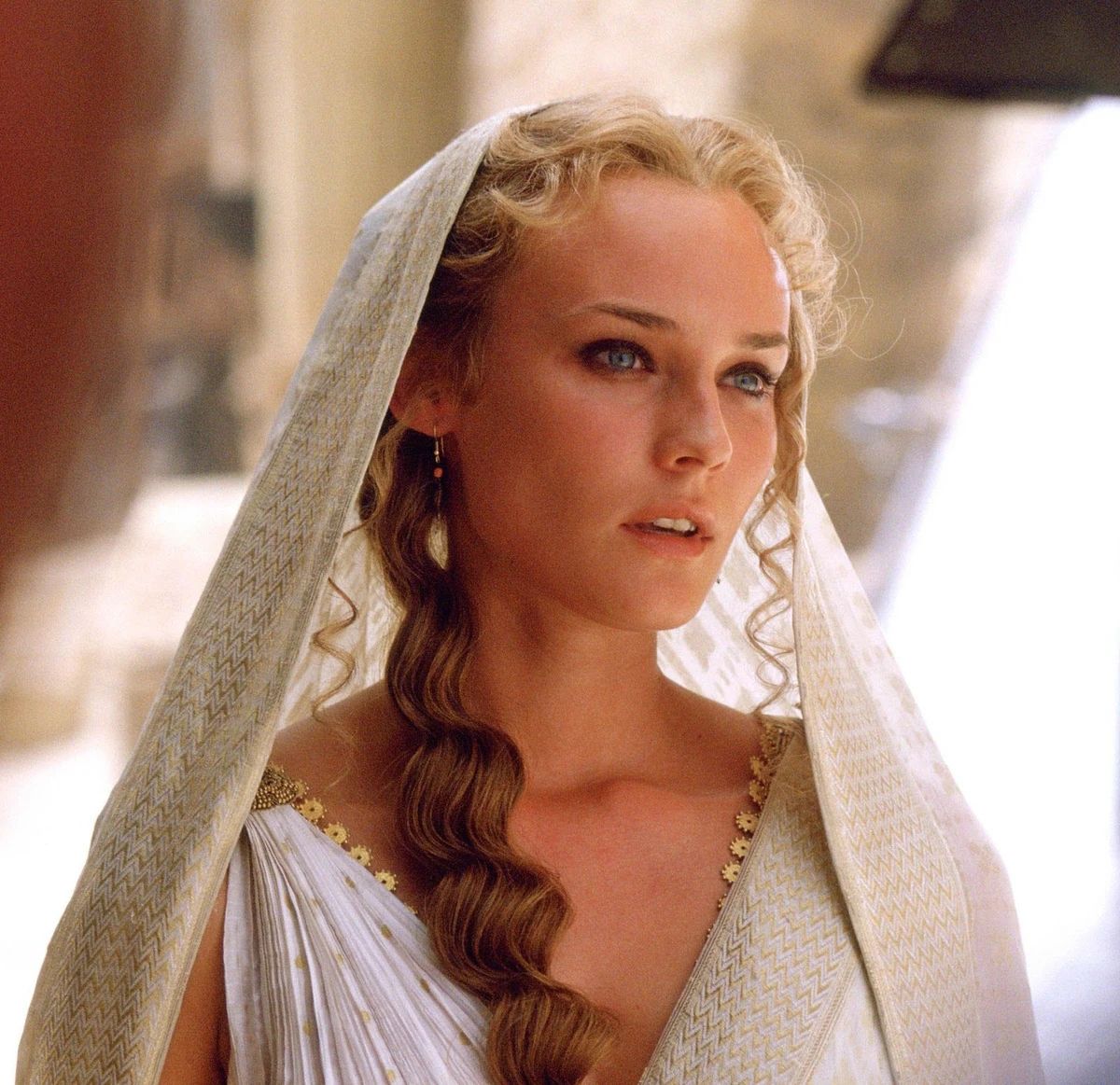 If we rely on Homer’s original poetic descriptions, Nolan’s casting does not clearly align with those physical traits. However, in cinematic art, we must apply different standards of value. The issue is more complex than mere “misalignment” or historical racial accuracy, which has become a hot social media topic.
In Nolan’s The Odyssey case, we can refer to the established film industry concept of “new interpretation.” We’ve seen this before with Snow White (2025) starring Rachel Zegler, The Little Mermaid (2023) featuring Halle Bailey, The Avengers (2012) casting Samuel L. Jackson as Nick Fury—originally a white character—and The Green Knight starring Indian-descended actor Dev Patel as Sir Gawain, traditionally white, among others. Thus, reinterpretation of characters is not new, and indeed is a long-standing theatrical tradition going back centuries.
In Elizabethan and Jacobean England, the golden age of theater, it was known that women were prohibited from performing on stage due to propriety concerns about women earning money through entertainment. Hence, male actors cross-dressed and performed female roles in Western theater. This gave rise to the notion that everyone must have disliked Shakespeare initially because his plays reflected a society with rigid values portraying predominantly white elite characters. James Baldwin, the African American writer who reflected on black oppression, admitted he once hated Shakespeare for this reason but later realized Shakespeare’s work was more fluid in terms of gender and race than initially thought.
In his 1964 essay “Why I Stopped Hating Shakespeare,” Baldwin explained that Shakespeare explored the complexities of real-world realities through his plays. For example, Titus Andronicus features a black character whom Shakespeare defends against injustice. He also portrayed racial diversity including indigenous peoples, Jews, and black characters, and gender fluidity in characters like Viola in Twelfth Night or Rosalind in As You Like It, both women disguised as men. In Elizabethan times, male actors played women who disguised themselves as men, making cross-gender and cross-racial casting the norm on stage. This extended to main roles such as Hamlet or King Richard II being played by female actors. Thus, theatrical gender and racial fluidity became a tradition, later evolving beyond mere diversity representation into showcasing diverse acting styles and emotional dimensions.
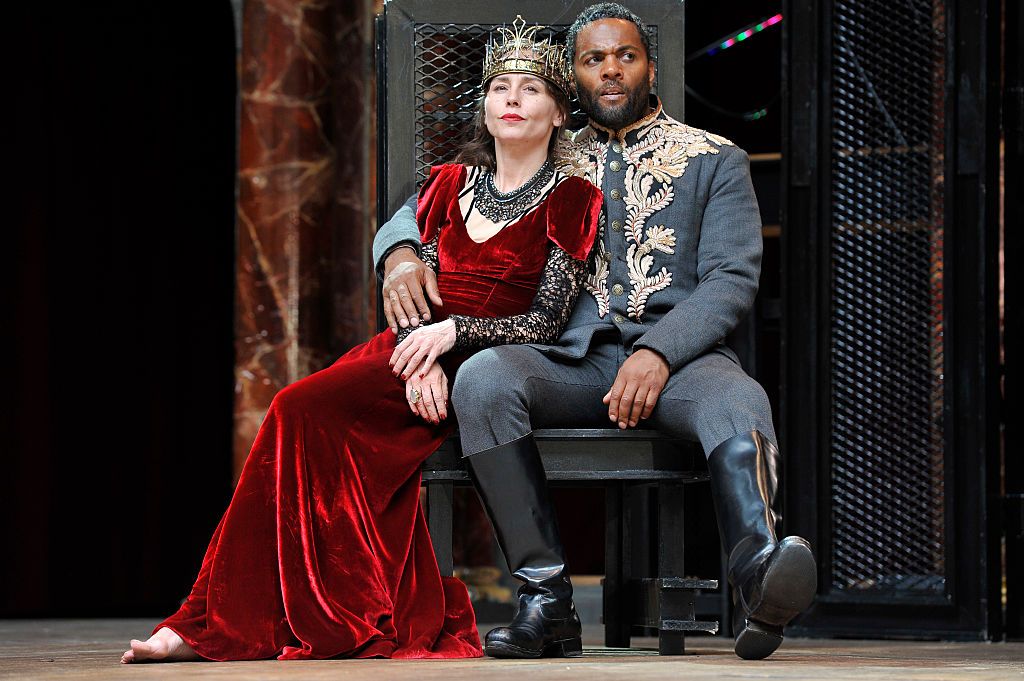
Shakespeare noted in Hamlet that theater’s purpose is “as a mirror held up to nature,” reflecting the true nature of the world and humanity. Today, it is interpreted that if theater remains dominated by white male actors, it no longer reflects the diverse nature of the modern world. This is compelling because if theater clings to outdated rules and narrow perspectives, it fails to offer anything meaningful to its audience.
Returning to reinterpretation in film, cinema evolved from theater but changed presentation methods. Modern period films do not merely depict the past but also reflect the present by incorporating novel elements for audiences. Moreover, they provide new dimensions in character portrayal to deliver fresh experiences and perspectives, such as Denzel Washington’s Macbeth or Morgan Freeman’s Red—despite Stephen King’s original Red being an Irish redhead. Today, it would feel odd to cast a white actor as Red, but Freeman’s nuanced performance reshaped audience perceptions positively. However, some films have actors unable to effectively ‘deliver’ strong characters, which must be assessed case by case.
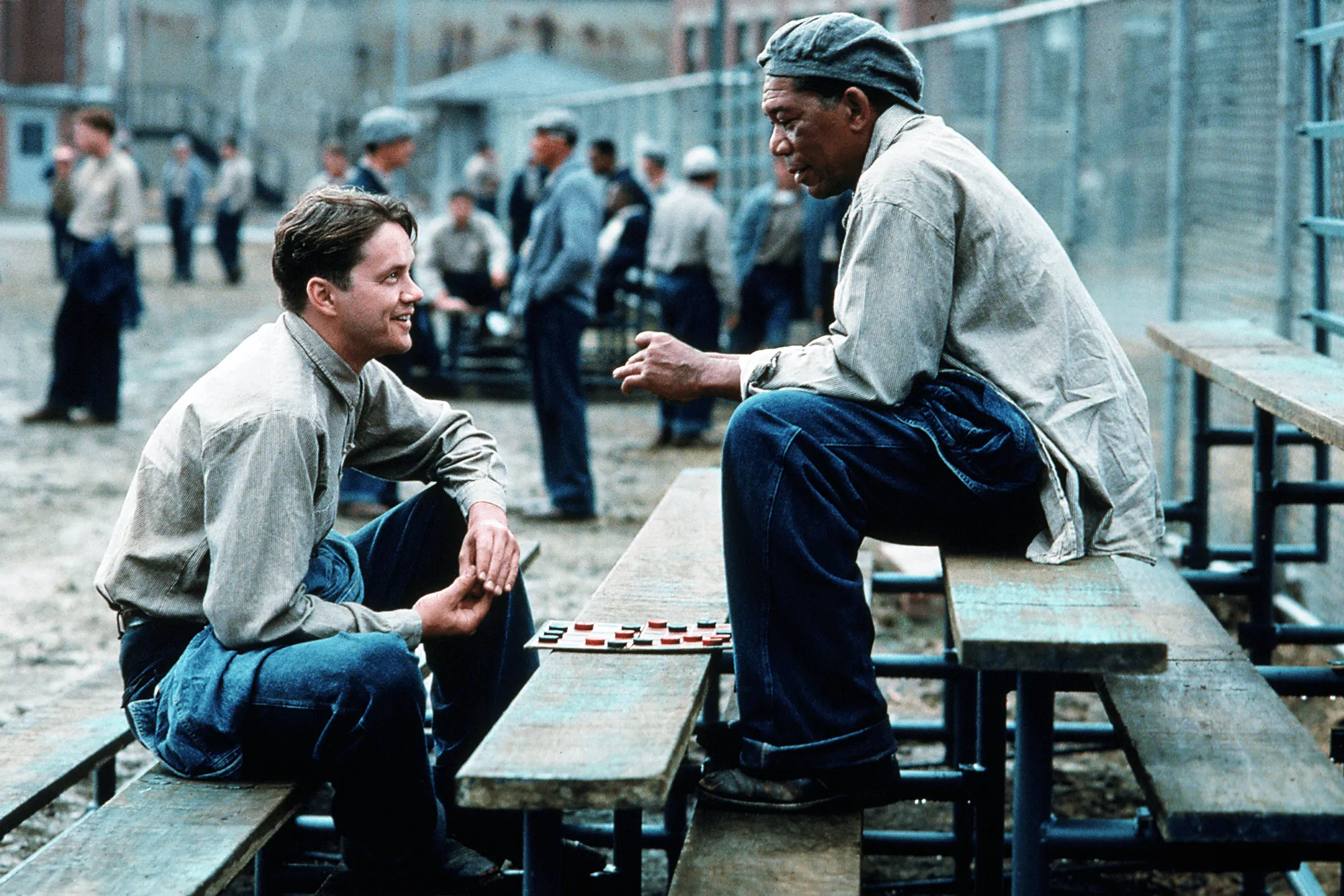
“Perhaps we have set our expectations for this character too high.” This might explain strong disappointment over misaligned portrayals. Helen has long created a global image through the epics and films like Troy, so audiences expect the character to be presented in the original image again. This expectation is natural, but we should remember that film reflects the times, serving as a mirror to understand how the world evolves and what it offers us. Film, as an art form, enjoys freedom to present diversity just like other arts.
. References: