

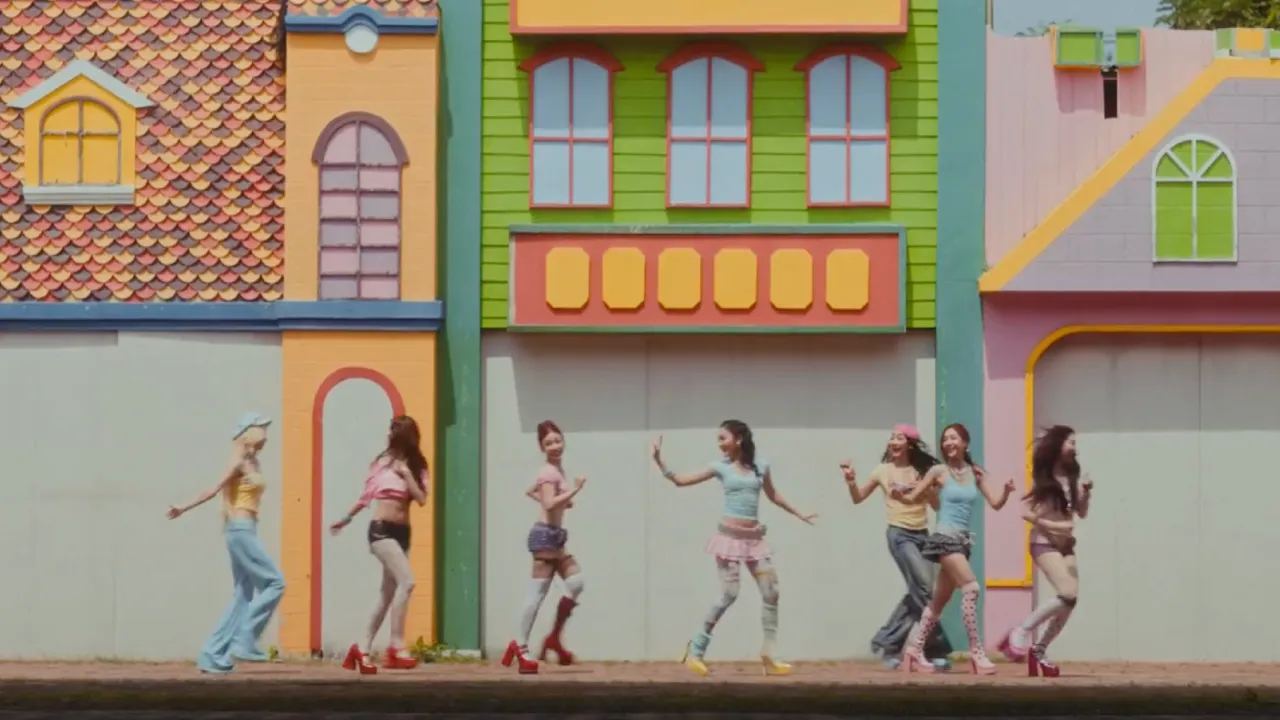
Just opening the first lines of the new version of 'Ngao…Khao Jai' by 4EVE from XOXO ENTERTAINMENT, many Gen Z listeners might feel like they're hearing the latest single with catchy beats and music that fits the current era. But for those who grew up in the 2000s, the original sound instantly overlays their minds. The vocals from Pan Thanaporn’s version or even Film Rattapoom’s rendition, once played repeatedly on radio stations, TV, and drama soundtracks back then, vividly resurface, causing us to involuntarily sing along from start to finish without even recalling the lyrics.
Thairath Plus We invite you to explore the Cross-Generational Bridge phenomenon, where original songs and differing memories connect two generations unknowingly. It's not just this one song being reinterpreted; especially in recent years, the revival of 80s, 90s, and 2000s music has reappeared prominently on social media feeds.
Particularly through short clips on TikTok or Reels that spark trends by looping a few seconds of a hit chorus until it goes viral, while streaming platform algorithms like Spotify or YouTube continuously suggest classic tunes to new generations, keeping these songs in younger listeners’ playlists.
Moreover, regarding musical taste, today's youth, raised on synthesized sounds—those created electronically or by computers rather than recording real instruments—are beginning to fall for the sincerity of analog music, the nostalgic scent of vintage synthesizers blended with childhood memories from car radios or drama soundtracks of that era.
Seeing that today's youth are increasingly embracing and showing interest in old songs, many record labels choose to remake and rearrange classic tracks as bridges connecting memories and experiences between two generations. This is clear in many hits from the 2000s dusted off, with updated musical structures and modernized sounds while preserving original melodies so those from the 2000s era can reminisce, plus some tracks add rap sections and playful styles from the bands, turning them into new hits that are more accessible.
While earlier lyrics often spoke straightforwardly about relationships, work, or waiting, which might contrast with Gen Z’s more complex values requiring interpretation from multiple angles—covering toxic relationships, capitalism, diversity, coping with problems, and survival amid chaos—adapting lyrics, adding rap verses, or reinterpreting to reflect contemporary life is a way to update those songs’ perspectives to fit today’s times better.
- ‘Jeb Nit...Nit’ (VIIS - Original by Yaya Ying) strips away the 2000s pop-dance with rural influences, adding strong street dance girl group spirit, intensifying bass and synthesized sounds to highlight dance skills.
- ‘Tor Ma Tam Mai’ (ATLAS - Original by DDZ) transforms a 2000s hip-hop track into modern T-Pop, adding rap sections and playful elements fitting ATLAS’s fun character naturally, under the concept THE TEST OF TIME 2000.
- ‘Mong Nan Nan’ (FLI:P - Original by Vitamin A) a ‘Design for Viral’ phenomenon that picks a 90s dance track, boosts tempo and beat, designing a hook dance move that became viral across short video clips on all social media platforms.
- ‘Chaeng’ (PlusOne - Original by B-King) resurrects a Boyband RS music box era song, rearranged into a more modern pop R&B style while maintaining the original mood of lamenting relationships, adding vocal harmonies and rhythmic music that encourage dancing.
- ‘BOUNCE’ (PERSES - Original by Golf-Mike) from the 40-year anniversary GMM GRAMMY playful project, reimagines an iconic dance track with hip-hop/electronic beats showcasing dance performance from boyband era to new generation T-Pop.
- ‘Yoo Nan Nan Eek Nit’ (JAOKHUN - Original by Triumphs Kingdom) reinterprets 90s Dojo City pop signature through a male voice and perspective, conveying emotions with a smooth, modern retro pop sound.
- ‘Yok Meu Khuen’ (NAY x TangBadVoice - Original by Joey Boy) turns a legendary party song into indie hip-hop with unique style, adding cheeky rhymes and fresh grooves, giving 2000s hip-hop new creative dimensions and reflecting social snapshots or Thailand’s archives across eras.
Ultimately, these seven songs illustrate that reinterpreting old songs relies on the strength of the original melody as a foundation, combined with restructuring the music to better suit the listening habits of the streaming era.
Remakes are thus not merely retelling old songs but creating shared experiences between generations through new artists who add color and different listening perspectives, turning remembered melodies into timeless bridges connecting listeners’ hearts across eras to sing together again.
https://www.facebook.com/share/p/1JiCnUHvim/