

How can we be sure we will have the chance to witness the grandeur of nature and important sites while we are still alive? Today, the world has sent many signals of nature's decline, whether caused by natural forces themselves or human influence.
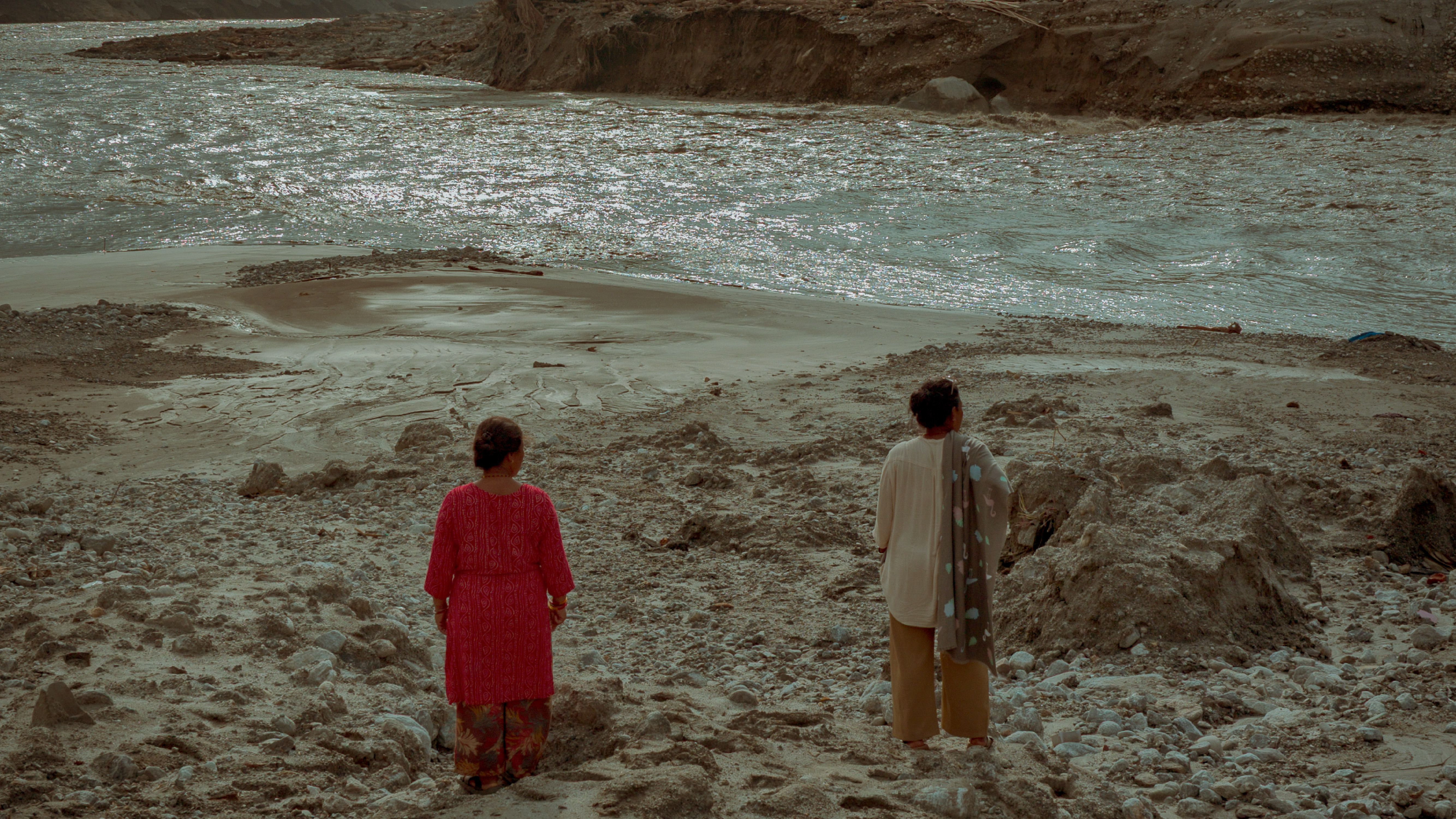
In the past, the world has faced frequent disasters, such as the floods in Nepal that destroyed hillsides, causing more than half of the village of Chyabrubesi to vanish. Newly built power plants were demolished, bridges over streams disappeared in an instant, and many people died or went missing. The disaster also cut off mountain access routes, making it harder to deliver supplies to local residents. This tragic event also dashed the hopes of travelers who came to climb the mountains, uncertain if they would ever return. Similarly, the collapse of the Broad Peak glacier claimed the lives of several climbers.
Scientists have studied that glaciers in the Himalayas have decreased by as much as 65 percent compared to ten years ago. The loss of glaciers causes rocks and glacial debris to loosen, since ice no longer holds them together, leading to possible landslides. Additionally, instead of seasonal snowfall, rising global temperatures have resulted in heavy rains at risky levels. Rain is a major factor in breaking down snow masses, leading to mudslides or avalanches that are difficult to predict.
Disasters are not limited to mountains; in other areas like Indonesia, the Krakatoa volcano has erupted. Although this eruption did not cause fatalities like previous events, it serves as a reminder of nature’s destructive power. There are also marine crises, with reports of severe coral reef damage leading to long-term reductions in algae, harming underwater ecosystems and depleting food sources for marine life. At the poles, large ice cliff collapses have been observed, with glaciers retreating markedly compared to images from years ago.
This does not even include destruction caused by human hands, such as wars and conflicts that have damaged cultural sites—for example, the Great Omari Mosque in Gaza was destroyed by Israeli weapons. Local cultures have been disrupted, people have fled, and entire areas have lost their beauty and humanity.
These disasters raise the question: how can we be certain that one day the Great Wall of China will not disappear, Everest will not collapse, or an ancient stupa will not crumble? The world is unpredictable; we cannot know when wars will erupt or disasters will strike.
Learning to Be Witnesses to the World
Amid countless disasters, we often receive news from television screens at home or elsewhere and sometimes do not fully reflect on their impact. Yet there is no denying that the world is gradually falling apart in ways we may not notice. This collapse affects not only nature but also human cultures built over thousands of years. When we wish to visit, we often find these places destroyed and irretrievable.
People have said, “If you have time, you should travel before these things disappear.” Perhaps this is the most we can do as ordinary individuals who cannot alter the overwhelming forces at play. We can only be "witnesses"—acknowledging that these wonders once existed, which is a meaningful commitment as fellow inhabitants of this planet.
Since humans are inherently "biased," we tend to favor those we love and are more willing to help those we know. We also feel connected to places we have visited. Thus, traveling to see man-made or natural wonders not only records and passes on these great experiences to future generations but also heightens our awareness of the world's fragility, strengthening our resolve to find ways to protect it. Direct experience creates a deeper appreciation than anything else.
Therefore, if we have time, we need not travel far; simply visiting any accessible place—from ancient temples, ponds, fields, rivers, to local markets—matters because we cannot know when these places might vanish. Ultimately, we may never answer with certainty, “How can we be sure these things will endure?” The true answer is, “Nothing is guaranteed.” What we can do best today is to step out, see, absorb, and record their beauty in our hearts so that one day, if these places remain only as names or ruins, we can proudly tell their stories as witnesses who once experienced the greatness (and smallness) of this world with our own eyes.
References: