

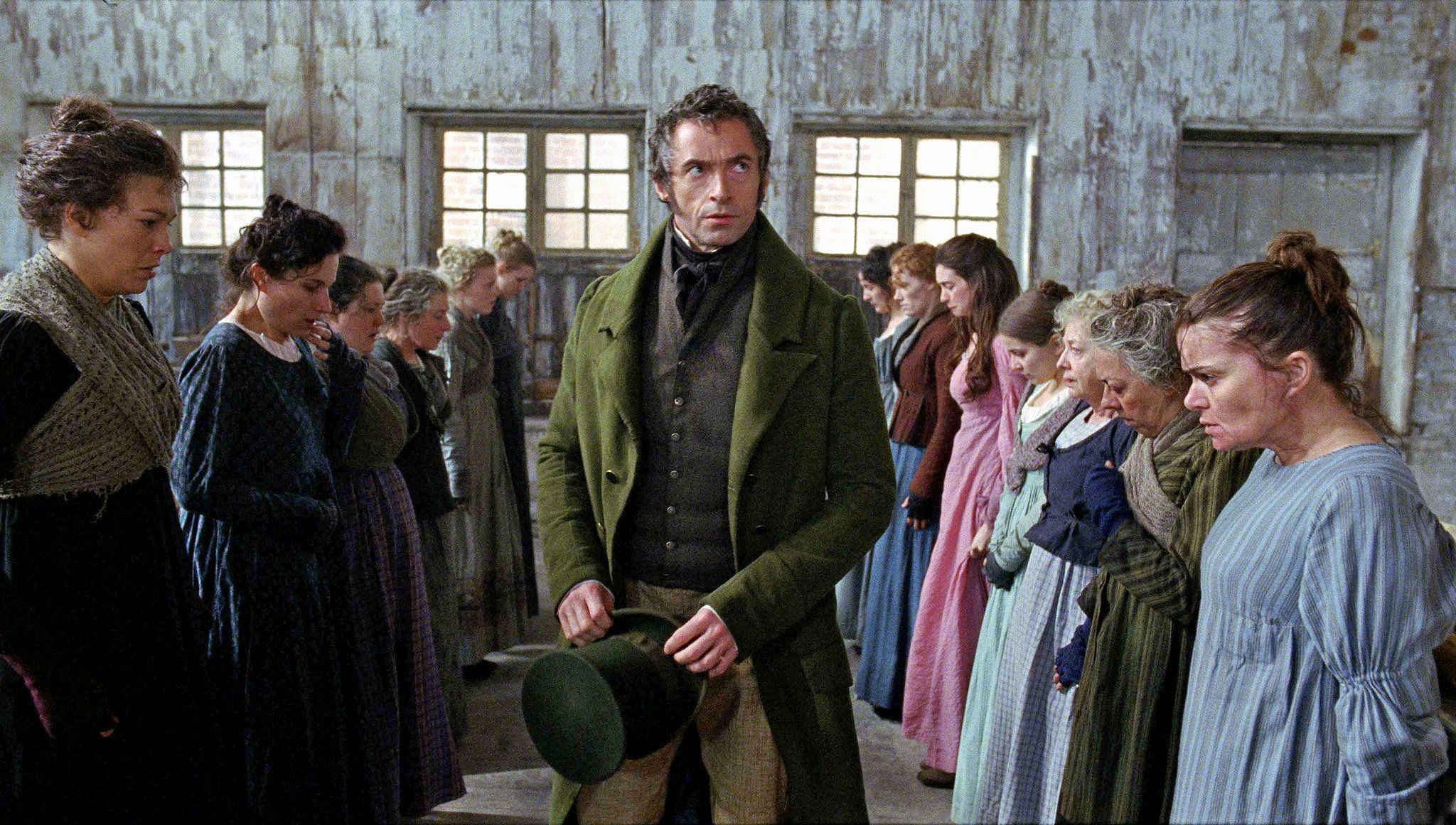
During the filming of Les Misérables in 2012, director Tom Hooper took a different approach from other musicals by having actors sing live on set instead of lip-syncing. Each actor wore small earpieces to hear a pianist playing to keep them in rhythm. This technique was key to making Les Misérables a successful dramatic musical film, revitalizing Hugh Jackman's career and earning Anne Hathaway an Oscar for Best Supporting Actress.
Those familiar with the film know it features memorable songs like "I Dreamed a Dream," later popularized by Susan Boyle on America’s Got Talent and covered by many Thai singers, as well as the ensemble anthem "Do You Hear The People Sing" performed during the final revolutionary scene to inspire viewers. Les Misérables captivates audiences through its melodrama linking class struggle, poverty, love, equality, and justice, with emotional highs and lows that engage viewers. The film also reflects the enduring French consciousness of continuous social struggle, evident in recent Paris uprisings.
Victor Hugo himself was part of the oppressed French citizenry when he wrote Les Misérables in 1862. He intended the novel to expose the injustice of 19th-century French society, which trapped the lower classes in cycles of crime and poverty. His work is not just melodrama for entertainment but embeds moral and political commentary.
Before writing this novel, Hugo had personally participated in the June Rebellion of 1832 and the February Revolution of 1848. He became a genuine advocate for republicanism and democratic reform. In 1851, Hugo was exiled to Guernsey for opposing Napoleon III’s regime. This isolation deepened his understanding of political extremism and compassion. Notably, he forced himself to wear only one gray garment and locked away other clothes, using this as an excuse to confine himself at home while taking 17 years to complete the novel.
Hugo drew on real-life experiences such as witnessing in 1829 a man arrested for stealing a single loaf of bread while his wife and daughter helplessly watched from afar. This incident inspired characters like Jean Valjean, Fantine, and Cosette—seen early in the film when Valjean is arrested by Javert for stealing bread out of hunger. Hugo also criticized the political climate of his time, highlighting how law was wielded mercilessly to justify inequality. He aimed to show readers how society destroys its people.
The film depicts many scenes revealing poverty under French monarchy rule—people suffering illness and death, looting driven by hunger, and imprisonment or punishment for dissent. Fantine embodies the plight of a middle-class woman abandoned by her wealthy husband; she and her daughter Cosette struggle to survive in an unsympathetic society. Eventually, Fantine resorts to selling her belongings, hair, and even teeth, ultimately forced into prostitution on the streets.
Hugo uses Jean Valjean’s journey from impoverished outcast to compassionate mayor, who must still confront Javert, the lawman who once imprisoned him. The story pits three main characters against each other: Valjean, the merciful man; Javert, the law’s merciless enforcer; and Fantine, the society’s victim (as reflected in the Thai translation of Les Misérables).
In the end, Javert becomes a symbol of societal contradiction. He cannot arrest Valjean because doing so would make him a moral villain—Valjean had saved Javert’s life during the rebellion and helped many poor people. Yet if he lets Valjean go, Javert fails in his duty. Javert chooses to jump into the Seine River, ending his life to escape this impossible dilemma.
“As long as society’s judgments and customs continue to condemn and stigmatize humans... as long as the three great problems of the era—men ruined by poverty, women destroyed by hunger, and youth extinguished in physical and spiritual darkness—remain unsolved... books like this will never be useless,” Hugo stated in the introduction to Les Misérables.
Hugo’s central message to readers emphasizes the importance of mercy, kindness, and love, conveying that these three forces have the power to save individuals and transform society.
June Rebellion: The Freedom of France
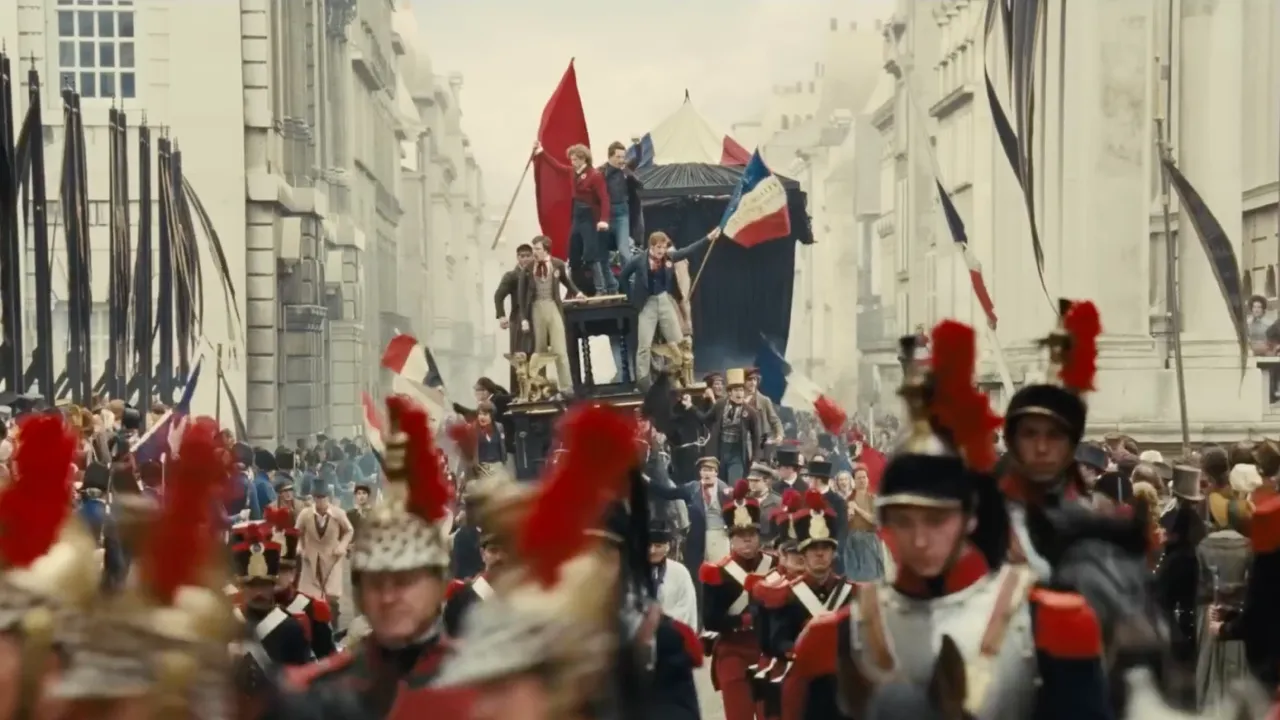
The June Rebellion is a significant event in Les Misérables, familiar to many through the film’s funeral procession scene featuring the song "Do You Hear the People Sing," with French and red flags waving, leading up to soldiers firing live rounds to suppress the uprising.
The June Rebellion, or Paris Uprising, was a revolt born from public anger over social conditions in France. It occurred on the night of 5–6 June 1832 after King Charles X was overthrown. Republican supporters sought new governance, but instead, the upper class installed Louis-Philippe as ruler. Laborers and students felt robbed as economic conditions worsened. The situation deteriorated further in 1832 with a cholera outbreak killing nearly 19,000 people in months. Rumors spread among workers that the government poisoned water sources to eliminate the poor. Spirits rose after the death of General Jean Maximilien Lamarque, a former Napoleonic commander who championed leftist and labor rights; his funeral (depicted in the film) signaled the moment for political revolt.
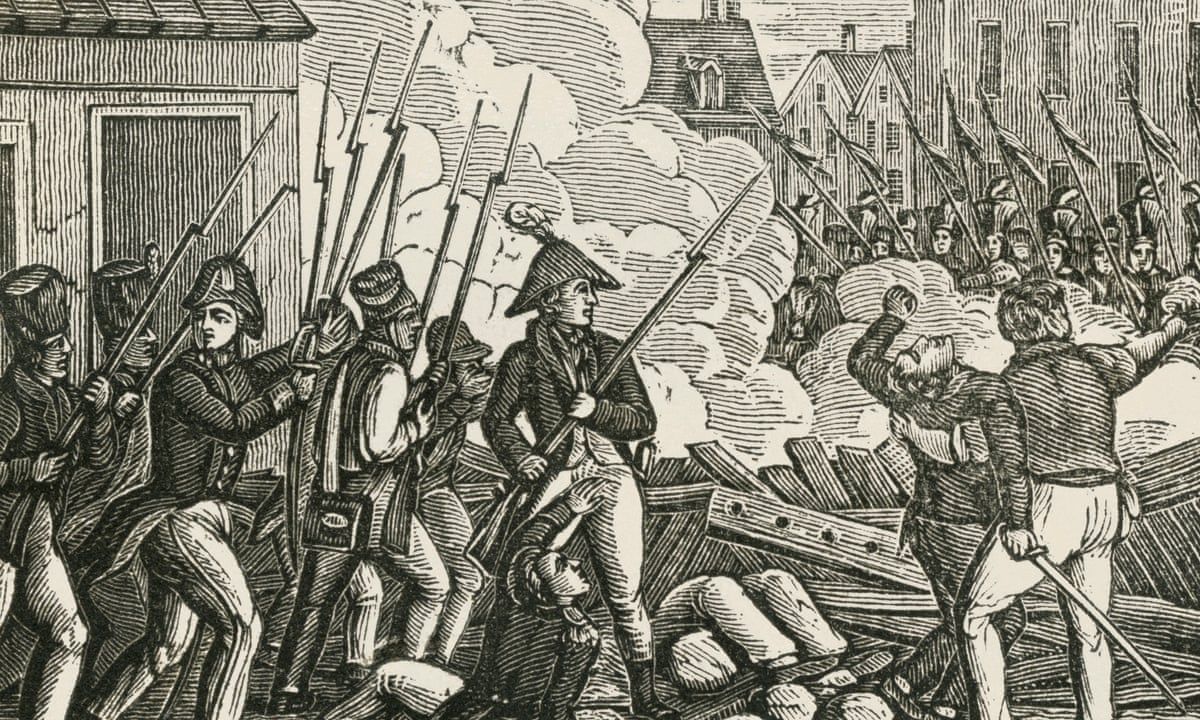
Lamarque’s funeral drew over 100,000 attendees, including students and secret societies who joined the procession, waving red flags emblazoned with “Liberty or Death.” Gunfire erupted between students and soldiers, scattering crowds through narrow streets where rebels erected barricades from whatever furniture they could find—tables, chairs, cabinets. However, French troops and royal guards breached the barricades. Nearly 100 rebels died, 150–200 were injured, while 73 soldiers were killed and 340 wounded. About 1,500 rebels were captured, sentenced to hard labor, and some exiled.
Though the June Rebellion was a failed uprising compared to other revolts, its importance lies in representing the French spirit of liberty. This event is part of French history that helps understand the nation’s dedication and earnestness in fighting for freedom since 1789. It embodies France’s national motto—Liberté, Égalité, Fraternité (Liberty, Equality, Fraternity)—and aligns with Hugo’s Les Misérables message that society does not need laws that dehumanize or a land lacking compassion. France can improve if it embraces exemplars like Jean Valjean.
References: