

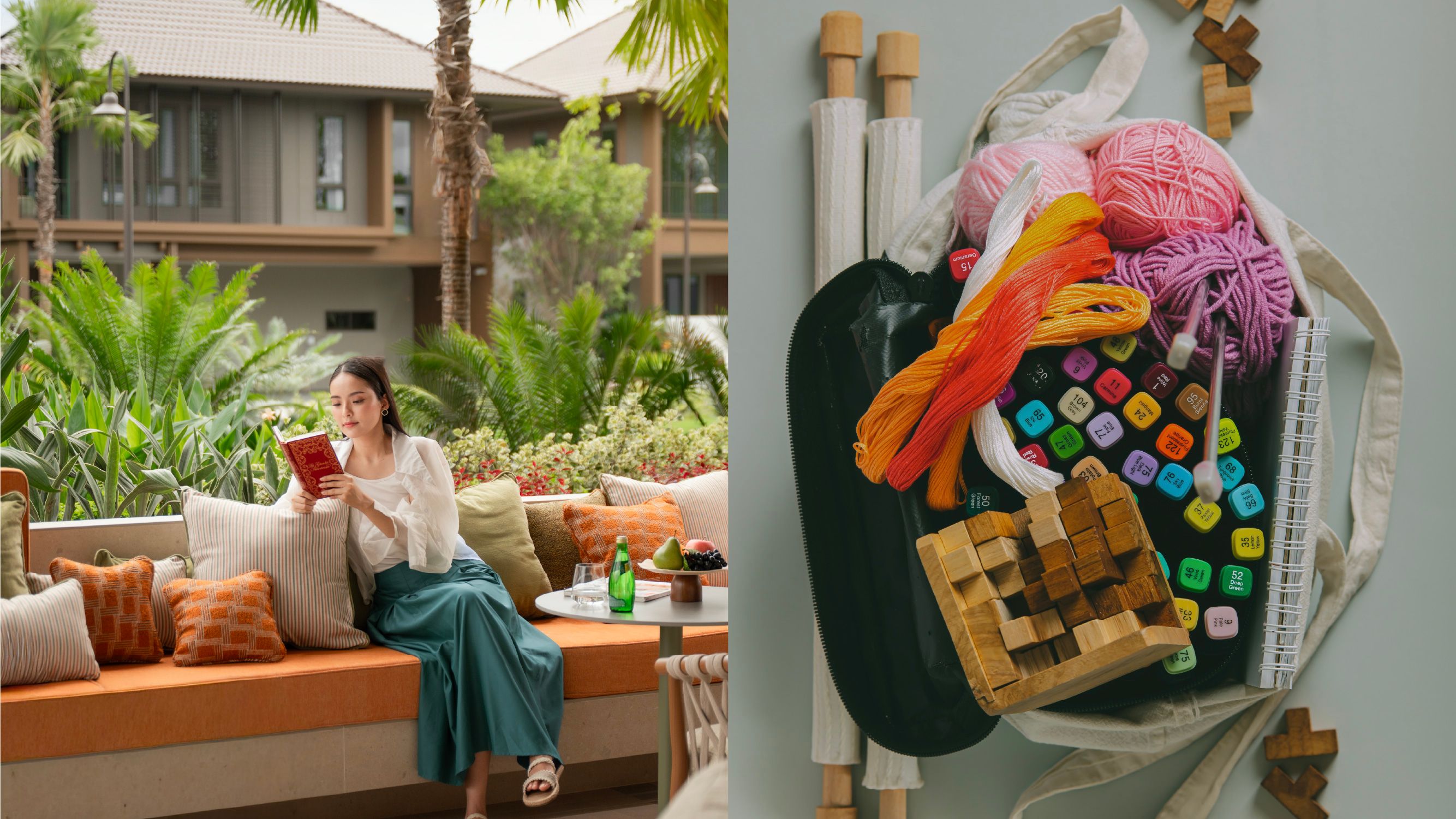
In 2026, a growing number of people have started organizing a small bag to carry closely, almost like a part of their body.
Inside may be a casual reading book, a sketchbook, or knitting tools. These items are collectively called an 'Analog Bag,' a bag prepared to pick up alternative activities instead of opening the phone to scroll during free time.
This trend has attracted attention among young people who want to reduce their digital time, which steals so much of their time, and instead spend more time on immediate activities.
The things inside the bag might be just small favorite activities of each person, but choosing to pick up a book instead of a phone or spending time sketching while waiting for someone shows a desire in today's life: to spend time with the present moment without constantly receiving new information.
When daily life is full of things to follow and respond to, having moments when you don't have to keep up with anyone else may become part of the rest many are seeking.
This idea aligns with the Slow Living movement, encouraging people to pay more attention to their own life pace—from leisurely cooking, walking without a destination, to scheduling time for hobbies that were often postponed due to other obligations.
A study from the University of Exeter and the National University of Singapore explains that exposure to nature helps people relax and recover from attention fatigue without much effort; simply 'looking' through a window can meaningfully affect mood.
Research shows that real natural views (not photos)—like trees, gardens, green spaces, or natural scenery—are linked to multiple health benefits. People who see nature from their homes or workplaces report less stress, more positive moods, and better well-being, resulting from "recognizing that nature is right before them."
These activities might not instantly change life but offer a chance to focus fully on one thing and have moments without needing to produce work, reply to messages, or always use time productively.
In the past, rest was often tied to holidays, travel, or activities breaking routine. But since work and communication follow us almost everywhere, the meaning of rest must evolve.
A holiday full of activities can be fun and energizing, while simply sitting quietly reading a chapter or spending a morning on something enjoyed can also be good rest—depending on whether we truly do what we want or continue responding to expectations and surroundings.
The challenge today may be carving out genuine rest time for oneself. Although many leisure options exist, stopping doesn't happen automatically when work ends. Some people need activities that help them focus on the present.
However, putting down the phone alone may not suffice for full rest because the surrounding environment also influences how relaxed we feel.
Even if intending to read a book, if faced with traffic noise, harsh glaring light, stuffy air, or lack of privacy, spending time fully with the present can be harder than expected.
Real-life calmness inevitably relates to the environment, and nature is a key element that helps create such an atmosphere.
Imagine sitting by a window reading, seeing trees sway in the breeze, hearing rustling leaves or distant water sounds. Natural light entering the room and green views from a rest corner can make familiar spaces feel more comfortable and relaxing.
This is because our eyes connect to the nervous system and inner emotions; when the brain receives images of nature, it responds by reducing accumulated tension. Green spaces seen from windows act as a small bridge between our private world and the natural world.
Housing design thus helps create spaces for rest by considering building layouts to welcome natural light and breeze, as well as designing interiors and landscapes to connect with nature, allowing people to experience light, air, and greenery daily.
This concept is part of the design for Burasiri Well Krungthep Kreetha, under the Tropical Retreat style that incorporates nature into living. It follows the Daily Dose of Nature idea—from the Biological Lake using ecosystems and water-edge plant roots for natural water filtration to communal areas encouraging exercise, outdoor activities, and relaxation amid nature.
When design values both space and resident experience, homes can accommodate diverse moments—from family time to leisurely reading, drawing, or favorite activities—supporting balance between daily life and time spent with oneself.
As the outside world continues moving forward with new things to follow, balanced living might begin with having spaces that allow fully spending time on what matters—rest, family, and ordinary moments of being oneself again. Behind The Design invites everyone to explore The First Well-Living Residence in Tropical Retreat style, designed to promote holistic well-being, in this video.https://www.facebook.com/share/v/1UzUrY4xeX/
Explore the concept of designing living spaces for comprehensive well-being and follow more about the philosophy of balanced living at:https://siri.ly/7Yry0QA
Get to know living amidst nature with The First Well-Living Residence in Tropical Retreat style, featuring green gardens and communal spaces supporting a healthy lifestyle, making every day a rest day at Burasiri Well Krungthep Kreetha by Sansiri. More project details are available at:https://siri.ly/y8vIH1A
Facebook:@SansiriPLC
Instagram:@SansiriPLC
Tiktok:@SansiriPLC
Youtube:@SansiriPLC