

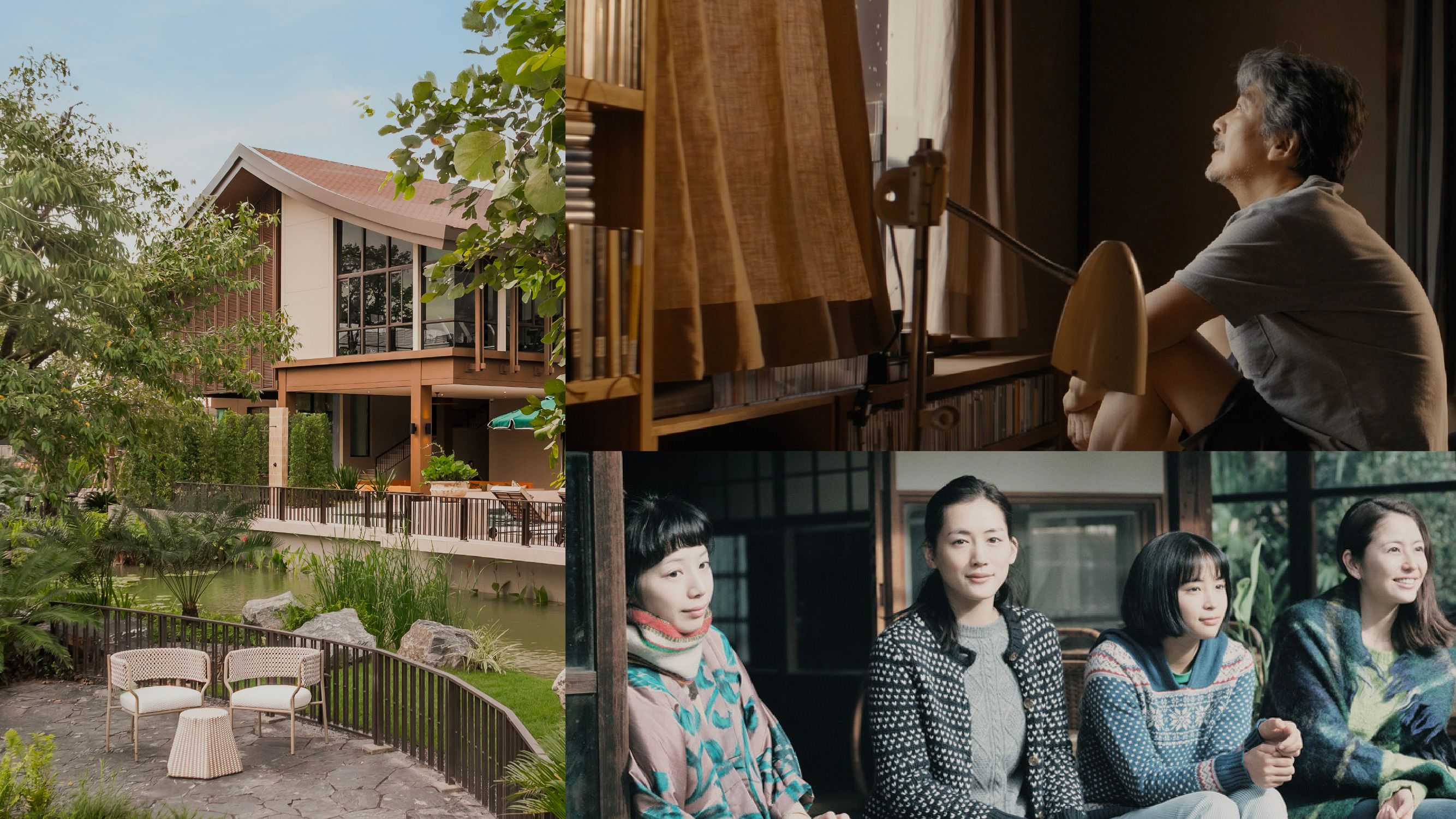
Each day, we might spend most of our time working, commuting, handling various tasks, and returning home to rest before starting the same routine again.
This kind of life may not be thrilling, but many find happiness hidden within these ordinary moments—such as a homemade meal after work, quietly reading a book, caring for a plant sprouting new leaves, or chatting with family before bed.
Though these small details may seem ordinary and go unnoticed, they form part of a life that makes each day livable. These images appear in several films that choose to depict life through simple routines rather than focusing on major events or turning points.
So, let's explore some examples of ordinary life as portrayed in cinema.
In 'Perfect Days,' we follow Hirayama, a middle-aged man who works maintaining public restrooms in Tokyo. His life follows a familiar schedule: waking up in the morning, preparing to leave the house, driving to work while listening to music from cassette tapes, and carefully cleaning each restroom.
During his lunch break, he sits under a tree to eat and uses a film camera to capture sunlight filtering through leaves before returning home to read and sleep, ready to start anew. These routines repeat day after day, seeming uneventful, yet the film reveals different details each day—the people he meets at work, small changes in the trees, and occasional disruptions to his orderly schedule.
Although some moments show that Hirayama's life isn't entirely smooth, he remains attentive to the present. While the story may resemble a repeating loop, his work, rest, and mindful observation make ordinary days hold more memorable details than expected.
Little Forest takes us from the big city to the countryside home of Hyewon, a young woman who decides to return to her hometown after her city life doesn't go as planned. There, she lives according to the seasons—growing vegetables, harvesting from her garden, and cooking with ingredients found nearby, from preparation through cooking to eating her own meals.
The film dedicates careful attention to these processes, showing how a single meal involves time, labor, and gifts from nature during that season. As seasons change, available ingredients also shift, so kitchen and garden routines that seem similar are never quite the same.
Though Hyewon returns to a familiar place, her simple lifestyle allows her to reflect on her work, relationships, and the life path she wishes to pursue.
The film does not rush her to find answers immediately but lets daily life gradually lead her forward. The images of the house, kitchen, garden, and seasonal food are key parts of the story and the life Hyewon slowly rebuilds.
Paterson tells the story of a bus driver named Paterson, after the city in New Jersey. He lives a nearly identical daily routine: waking, driving the bus, listening to passengers' conversations, then returning home to spend time with his wife Laura before walking their dog around the neighborhood.
What sets Paterson's life apart is his habit of writing poetry in a small notebook during breaks or quiet moments.
His poems draw on daily observations—short conversations between people, familiar objects, and small details in his relationship with his wife.
Meanwhile, Laura has her own interests and dreams. Together, they live in a way that respects each other's passions through sharing stories and daily life, showing creativity can emerge amid routine work and relationships can grow through shared small moments without needing special plans.
Another notable film is Our Little Sister, a Japanese movie about three sisters living together in their family’s old home in Kamakura. After meeting their half-sister at their father’s funeral, the three invite the youngest to live with them, turning the house into a place where family members gradually learn about each other through everyday acts like cooking together, sharing meals, caring for the home, and spending holidays together.
Each person has their own personality, thoughts, and problems, and sometimes misunderstandings arise as is normal among housemates. At the same time, bonds form gradually through small acts of support and care.
The film emphasizes the home and surrounding spaces—from the garden and trees to the town’s atmosphere changing with the seasons—details that make the house more than shelter but a place for sisters to learn coexistence and slowly build family feelings through daily life.
Though these four films depict ordinary daily stories, what makes them engaging are recurring details in each day—doing what one loves, having rest time, eating meals made with care, or returning to people who bring comfort.
This invites reflection that smooth daily routines partly depend on the places where we live.
Cooking at home may be easier with a convenient kitchen and space for food preparation. Reading after work can become a habit if there’s a quiet corner to rest eyes from screens. Spending time with family happens more often if the home has spaces for dining, conversation, or activities together.
As mentioned earlier, these may seem like minor details but recurring moments shape our feelings about life, and a good home relates directly to a happy quality of life.
The idea of well-being is not distant or demanding but starts by making daily life more comfortable and balanced—from waking in a well-ventilated room, having functional kitchen space, returning to a peaceful home, to having areas where family and neighbors can spend time together.
This is the concept behind Sansiri WELL, IN EVERY DAY, or “Good Life, Feel Good Every Day” by Sansiri, which views well-being through multiple experiences—from design that understands residents’ lifestyles, spaces for rest and shared activities, to environments that foster good relationships and services that ease daily living.
Well in Every Day encourages us to consider how our homes and surroundings help us do what we need and love—do we have places to rest when tired? Corners that make us want to stay home? And when we want to go outside, do we have spaces to walk, exercise, or socialize easily?
Behind The Design invites everyone to explore The First Well-Living Residence in Tropical Retreat style, thoughtfully designed to promote holistic well-being, in this video.https://www.facebook.com/share/v/1UzUrY4xeX/
Explore the design philosophy for holistic well-being in living spaces and learn more about balancing life here:https://siri.ly/7Yry0QA
Discover living amidst nature at The First Well-Living Residence in Tropical Retreat style, with green gardens and communal areas supporting a healthy lifestyle at Burasiri Well Krungthep Kreetha by Sansiri. See project details here:https://siri.ly/y8vIH1A
Facebook:@SansiriPLC
Instagram:@SansiriPLC
Tiktok:@SansiriPLC
Youtube:@SansiriPLC
#ThairathPlus #Sansiri #BehindTheDesign #BehindTheDesignbySansiri #SansiriDesignLeader
#BURASIRIWELL #WellLivingResidence #WellinEveryday