

People dressed as skulls wearing wide-brimmed hats and ponchos dance joyfully to catchy Latin music. These images have long been familiar through movies, animations, and documentaries on television, referring to the festival called Day of the Dead or Día de los Muertos, which in 2026 will be held on 2 November. Although it might appear similar to Halloween, Day of the Dead is a deeply spiritual and family-oriented festival, often described as Mexico’s ancestral remembrance day.
Beyond foods like tacos, salsa, and tortillas, Day of the Dead serves as a form of Mexican cultural soft power transmitted through media and entertainment. The festival’s lively atmosphere, beautiful decorations, and the striking sight of walking skeletons captivate people worldwide. However, some may wonder what exactly this day commemorates, why it honors ancestors, and what beliefs and rituals it involves. We will explore this festival through the Oscar-winning animated film Coco, which warmly and engagingly presents Latin family culture and relationships.
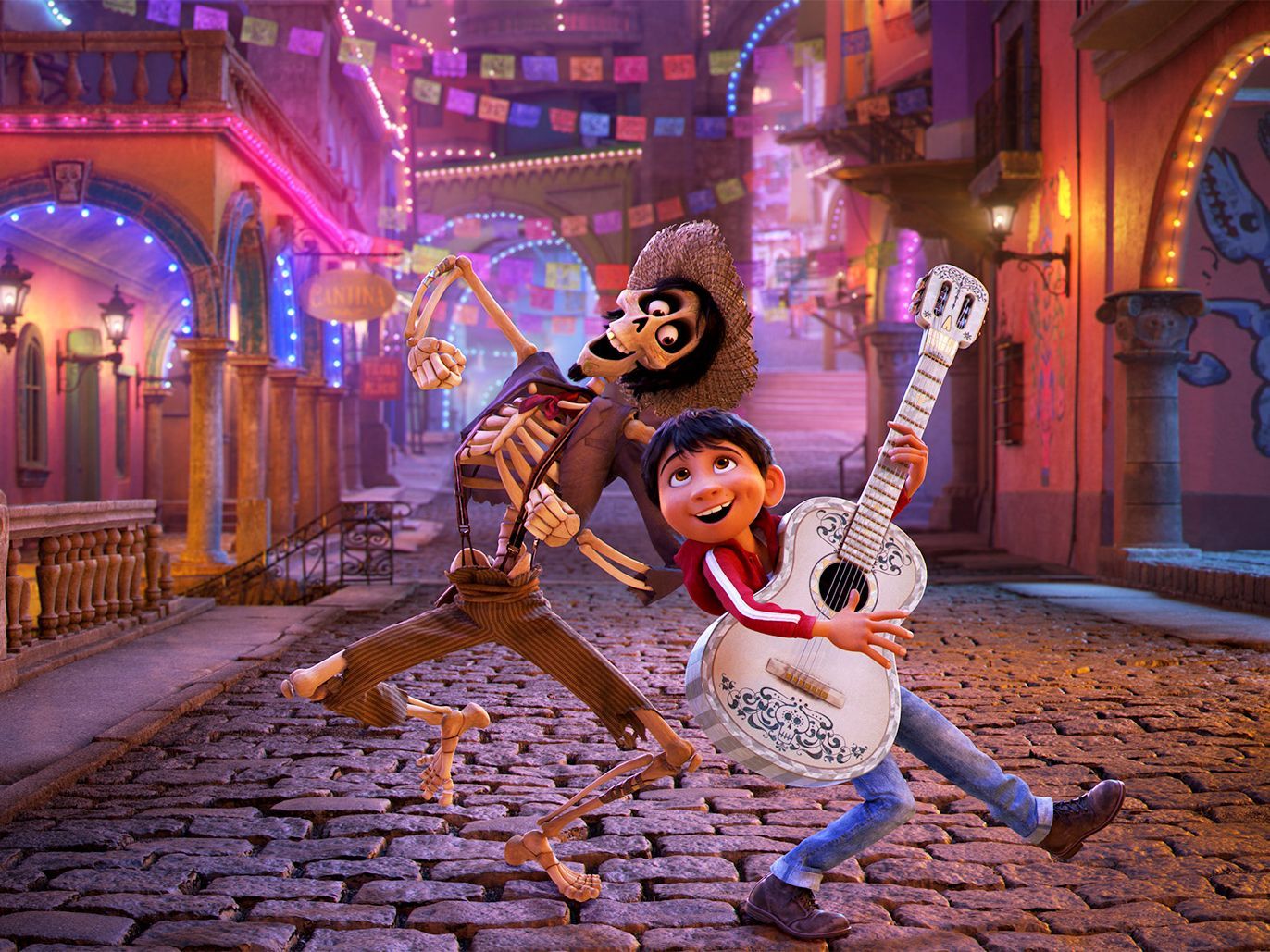
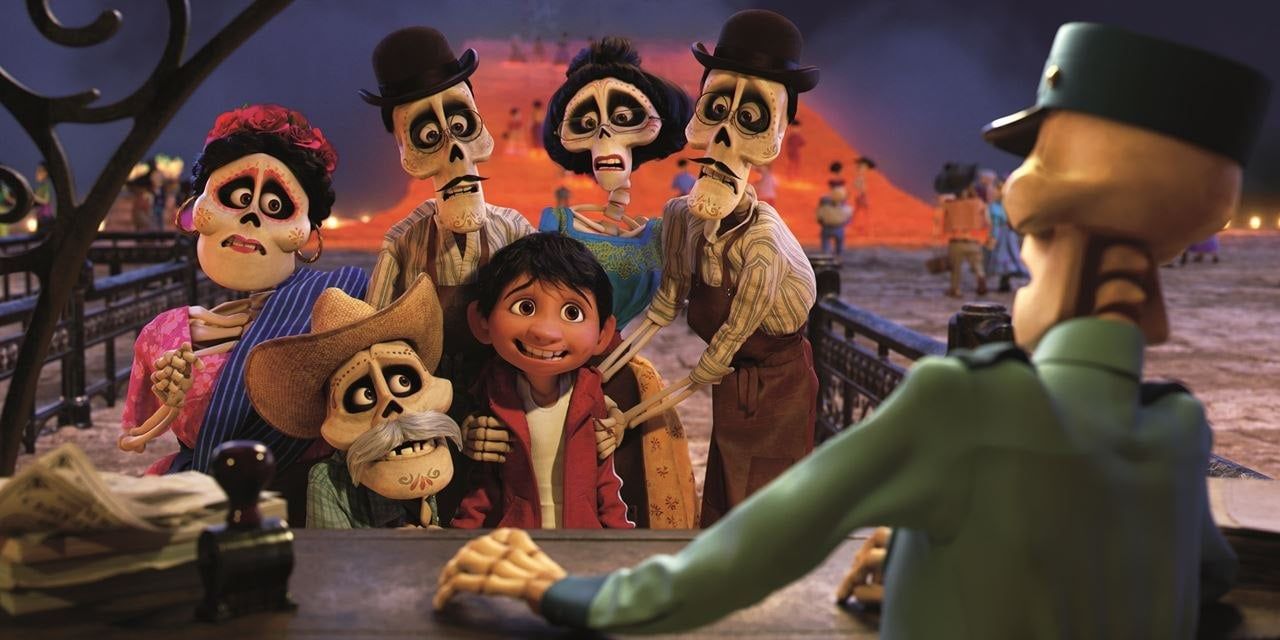
Coco is a Pixar animation telling the story of Miguel, a 12-year-old boy who dreams of becoming a musician despite his family’s ban on music—a prohibition rooted in a family wound dating back to his great-great-grandfather, who left the family to pursue music. When Miguel secretly steals the guitar of his idol Ernesto de la Cruz during Day of the Dead, mistakenly believing Ernesto to be his great-great-grandfather, he is cursed to become invisible to the living and travels to the land connecting the living and the dead. Later, Miguel discovers his true ancestor is Héctor Rivera, the true composer behind many famous songs.
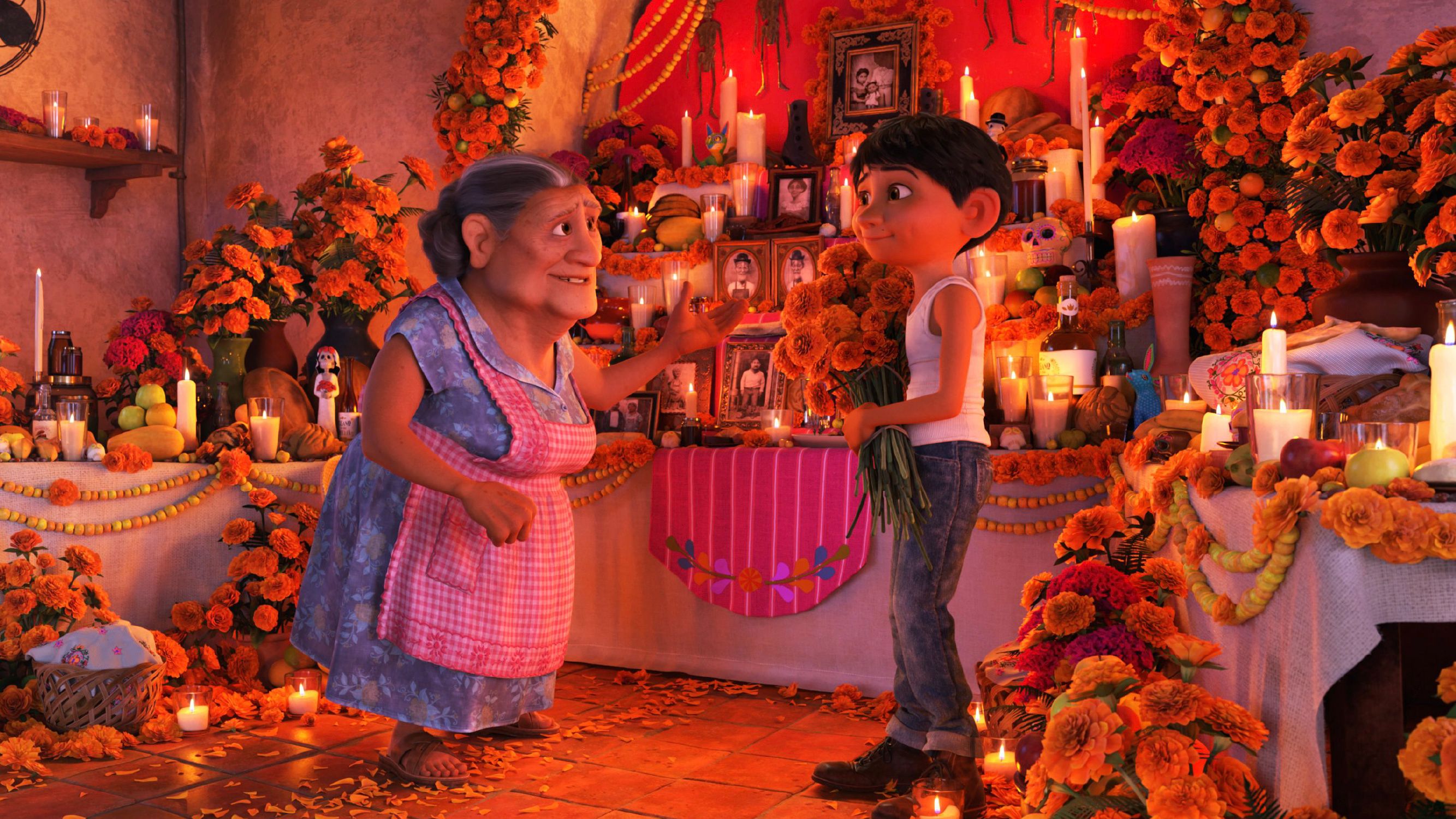
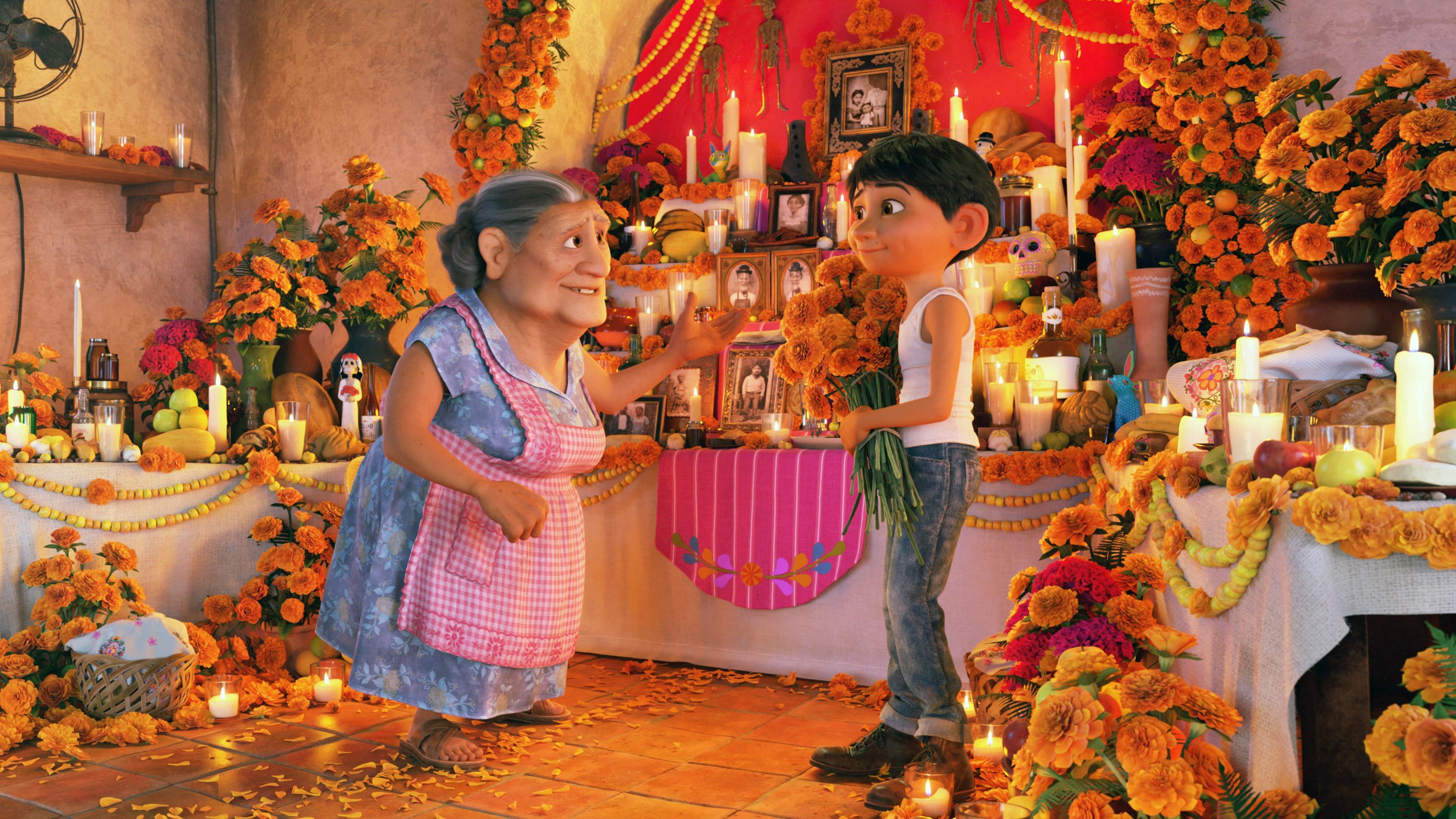
In Coco, the Day of the Dead festival forms the story’s backdrop, portraying the Mexican tradition of welcoming the spirits of the deceased to reunite briefly with their families. This tradition blends Spanish Catholicism with indigenous Aztec beliefs. The film shows detailed festival practices, including the ofrenda, an altar within Miguel’s home where favorite foods and sentimental items of ancestors are placed, along with photographs—essential in Mexican belief since spirits cannot receive offerings without their photos on the altar. In the film, spirits do not eat the offerings physically but inhale their scents, especially from the special bread called pan de muerto, or bread of the dead.
Among the vibrant flowers used, the orange-yellow marigold, often mistaken for a chrysanthemum, holds special significance. Tracing back to Aztec times, it is believed that the color and scent of marigolds guide the spirits back home. In Coco, the marigold petals form a symbolic bridge connecting the worlds of the living and the dead.
Another belief shown in the animation centers on “memory.” The spirits remain in the land of the dead as long as their living family members remember them. Once forgotten, the spirits fade away forever. This theme is central to the song “Remember Me,” which Miguel plays for his grandmother, Coco. Miguel’s music does not merely comfort his grieving grandmother but helps her remember her father—Miguel’s great-great-grandfather Héctor—highlighting the power of memory in sustaining spiritual presence.
According to Mexican belief, Day of the Dead is not a somber remembrance filled with sorrow but a colorful and celebratory passage of life. Rooted in ancient Mesoamerican tradition, crying is considered disrespectful to the deceased and may hinder their journey to the afterlife. This perspective is reflected in the film, which also includes symbolic elements such as alebrijes—winged jaguar spirit guides inspired by mythological birds—and Dante, Miguel’s loyal dog who acts as a xoloitzcuintli, a traditional Aztec spirit guide dog believed to help souls navigate the difficult journey to the afterlife.
But why do people dress up as skeletons?
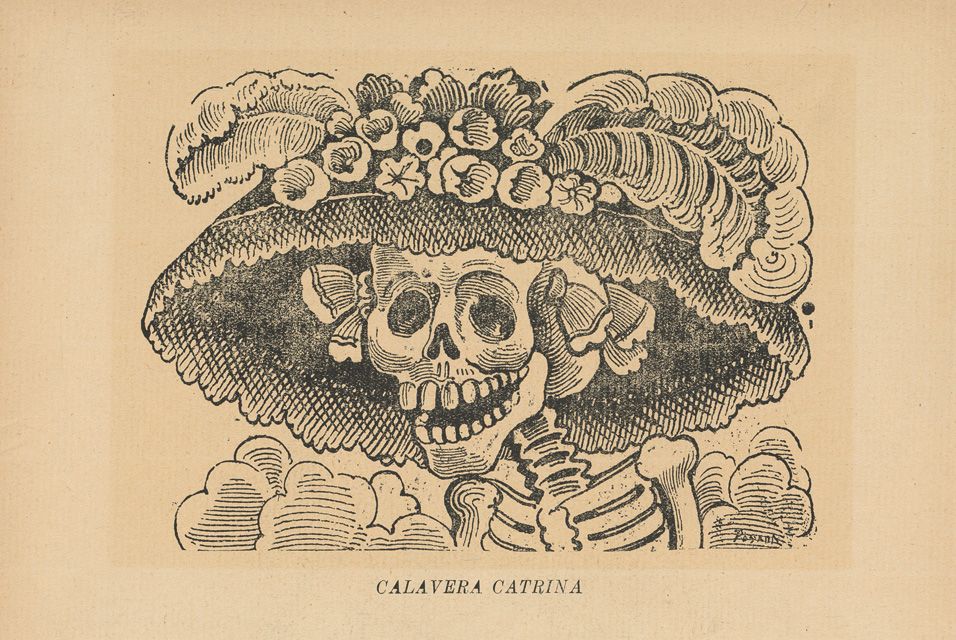
Skeleton costumes are a colorful hallmark of the Day of the Dead festival, tracing back to 1910 with the creation of La Calavera Catrina, a skeleton wearing a French-style floral hat. This political satire by José Guadalupe Posada critiqued Mexicans who were abandoning their roots to adopt European aristocratic lifestyles. Posada’s phrase “Todos somos calaveras” (“We are all skeletons”) conveyed that regardless of status or materialism, everyone looks the same in death. Thus, dressing and painting faces as skeletons became fitting for this festival, symbolizing both fun and the straightforward message that death is not frightening but a natural part of human life.
Coco is an animation that beautifully conveys Mexican culture and values, particularly the importance of family and relationships. It uses beliefs about death and the Day of the Dead festival to tell Miguel’s journey into the afterlife, which is not only about uncovering family history but also about facing challenges, pain, and forgiveness—even when separated by death.