

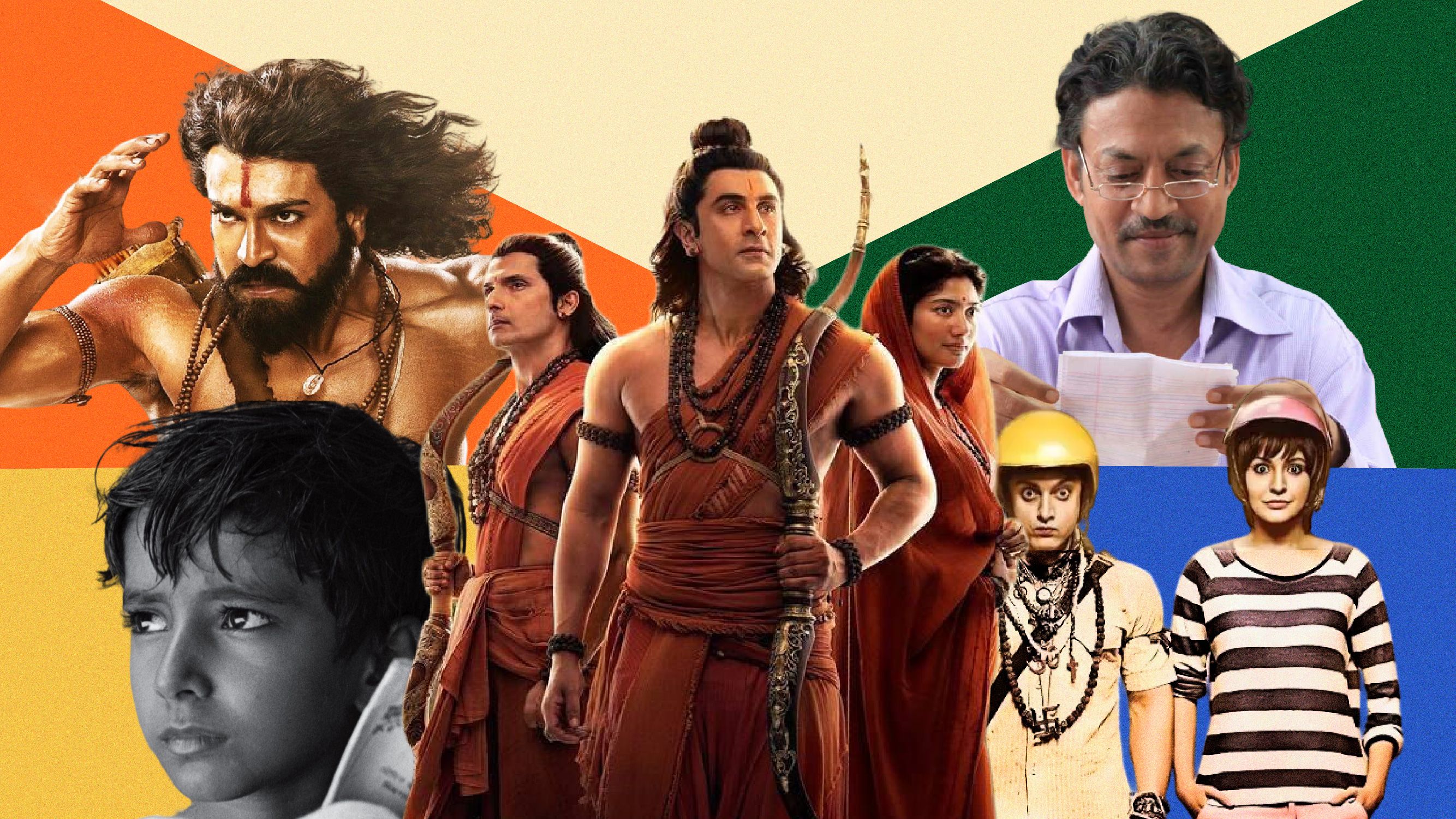
“Narayan Narayan” is likely a familiar phrase to viewers who experienced the era when Channel 8 often aired Indian dramas, popularly known in Thailand as “Indian soap operas.” These ranged from modern family conflict stories with zoomed-in scenes to period dramas about gods that narrate the origins of various Hindu deities.
In the past, Thais were probably only familiar with Indian films to this extent, due to media limitations restricting full exposure. That changed with the arrival of Slumdog Millionaire, which won an Oscar (despite not being made by Indians), sparking global interest in Bollywood films. This was followed by acclaimed films like The Lunchbox, depicting a relationship forged through swapped lunchboxes, and PK, about an alien prompting people to question the sacred. Indian cinema gained even more fame with RRR, a genuine Telugu-language Indian film that won the Oscar for Best Original Song, and most recently Ramayana, a lavish period film based on legendary literature and the most expensive ever in Indian film history.
India is a country where, if everyone thinks dance and food define its identity but neglects cinema, Indians from all regions would be fiercely upset. Indian life has long been deeply intertwined with film, which serves as entertainment encompassing not only life stories but also culture, customs, lifestyles, and values expressed through characters. One might say that to understand what Indians currently favor, you just need to watch Indian movies. For example, the police profession is frequently depicted, showing India’s respect for law enforcement. The preference for fight scenes comes not from invention but from retelling ancient mythological battles through film. Even Indian dance symbolizes praise and communal joy in ways outsiders may not grasp but which are customary. So why do Indian films have such a culture and diversity? And why is movie-watching in India so completely different from elsewhere?
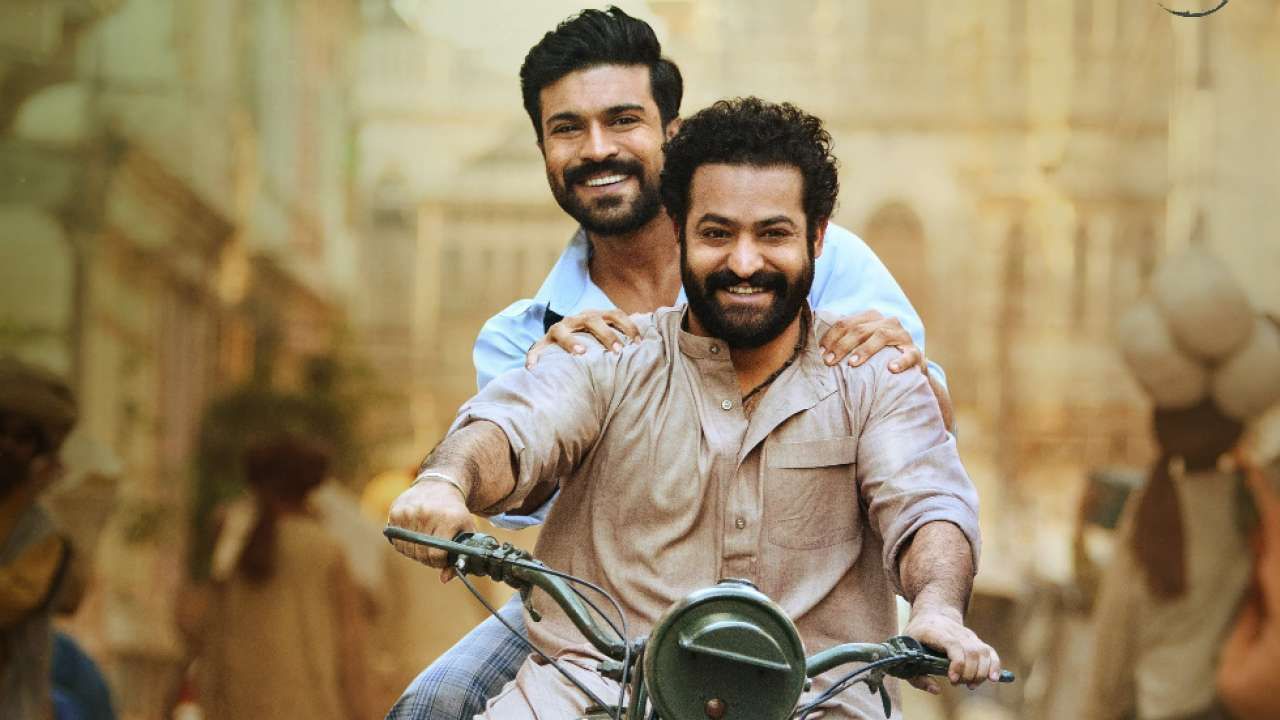
Indian cinema is not just Bollywood.
The Indian film industry has existed since the advent of motion picture technology, especially with the introduction of sound technology in the 1930s, which revolutionized filmmaking. Before that, Indians across the country could easily understand the same silent films using subtitles. The arrival of sound was a turning point that added enjoyment for audiences and set the standard for new films thereafter.
With sound came the need for dubbing in multiple languages, because India is not culturally homogenous but divided into 22 languages, primarily five: Hindi, Tamil, Telugu, Malayalam, and Kannada. Films thus diversified geographically, creating opportunities for local filmmakers to produce movies in their own regions, incorporating regional culture and lifestyles to appeal to local audiences.
Each regional film industry has its own name: Hindi films are Bollywood, Tamil films Kollywood, Telugu films Tollywood, Malayalam films Mollywood, and Kannada films Sandalwood. Each has distinct filmmaking styles—for example, Kollywood centers around Chennai, while Mollywood focuses on life, class, struggle, and labor reflecting its region’s society. Bollywood tends to make mainstream films showcasing Indian culture more broadly.
Reports indicate that in 2012-2013, India produced as many as 2,701 films. The industry is thus unceasing, with a constant flow of directors, screenwriters, and actors. Films range from action, drama, and mainstream to art-house, like Pather Panchali (1955) by Satyajit Ray, whom Akira Kurosawa once said, “To have not seen Ray’s films is to live in this world without ever having seen the sun or the moon.”

People can also broadly distinguish Indian cinema into two poles: North Indian and South Indian films, which differ completely. North India is heavily influenced by Muslim culture, while South India preserves traditional Hindu culture. The images and values of actors from each region also enjoy different popularity.
North Indian films often feature urban middle-class characters facing internal conflicts, as in The Lunchbox, a middle-class drama that others may find less relatable. South Indian films usually feature “mass heroes” — accessible heroes who appeal across classes and uphold balance and justice. For example, RRR, from Tollywood, features two relatable protagonists, Raju and Bheem, a policeman and tribal warrior set against the backdrop of 1920s British rule. South Indians favor such action-packed, straightforward entertainment. Comparatively, this is like Thailand’s GDH films versus local rural-themed movies, both reaching wider audiences in their own ways.
The culture of watching Indian films.
Indian films typically run at least three hours, not because writers or producers want to drag them out, but because watching movies is a serious activity for Indians. For Thais, movies are relaxing after work or on weekends with other activities possible afterward. For Indians, taking the whole family out to see a film is a major event, and traveling far for only a 1-2 hour movie feels like a waste. Therefore, three hours is the minimum to ensure viewers enjoy sufficient entertainment and get their money’s worth. Many films include songs or multiple storylines, easily reaching this length, which helps explain why Indian films are rich and filled with dance.
Anyone who has seen Indian films, or even the currently showing Ramayana, will notice the intermission. This break is an interesting part of Indian movie culture. Often, the first half ends on a cliffhanger to build excitement before intermission, when viewers buy snacks and discuss the film to enhance their anticipation for the second half, enriching the overall viewing experience.
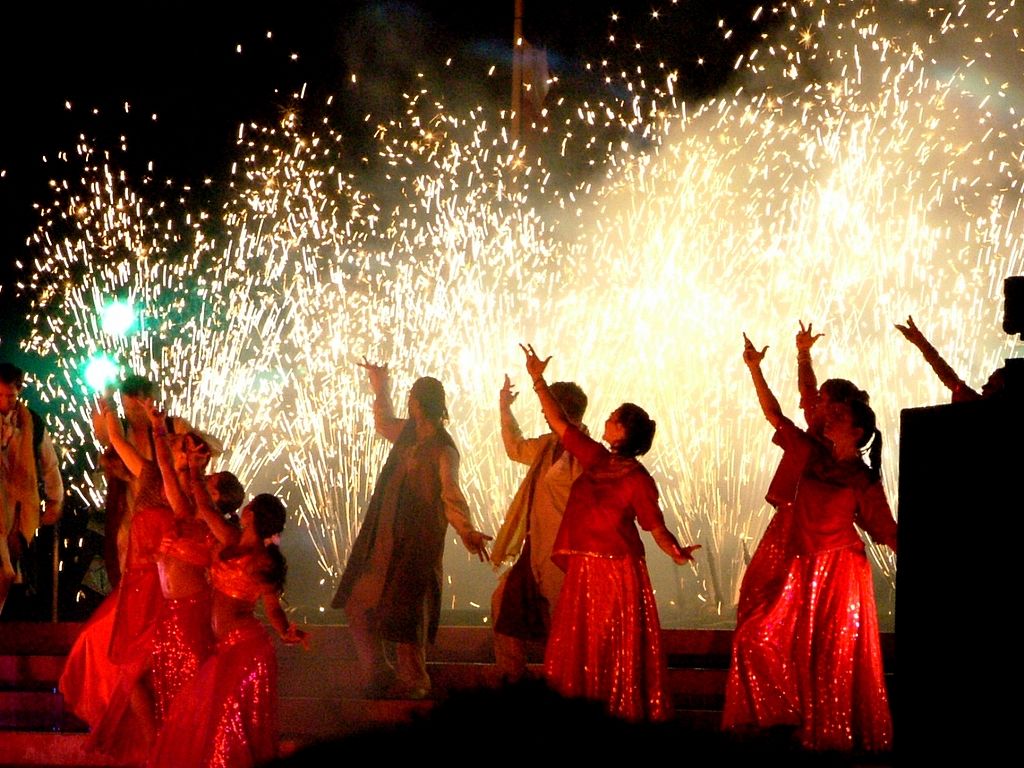
Venue also shapes Indian movie enjoyment. India has two types of cinemas: single-screen theaters and multiplexes in malls. Mall cinemas mainly attract families, offering a quieter atmosphere with higher ticket prices, serving as leisure spots after shopping or dining. Single-screen theaters have cheaper tickets, a livelier atmosphere (even with people standing and dancing), and mostly show action and horror films focused on pure entertainment.
Furthermore, South Indians celebrate every movie release like a ritual. Premieres are more like ceremonies than screenings, with actor cutouts placed outside theaters, milk poured or rituals performed, fire worship (aarti) beside posters, and garlands decorating them. Some cinemas organize music zones clearly separated.

At first glance, these festivities may seem like mere fun, but they have interesting origins. Compared to North India, South India is home to diverse groups and languages, along with belief systems rooted in worship of gods and personalities. Praising individuals is normal, as actors are seen not as ordinary people but as representatives of the community, embodying guardianship and leadership of virtue. Historically, South Indian cinema and politics have been intertwined, with films sometimes used for electoral purposes and political ideology. Even when politics stagnates, this reverence in theaters continues as a communal space for urban residents to gather, express themselves, and relax.
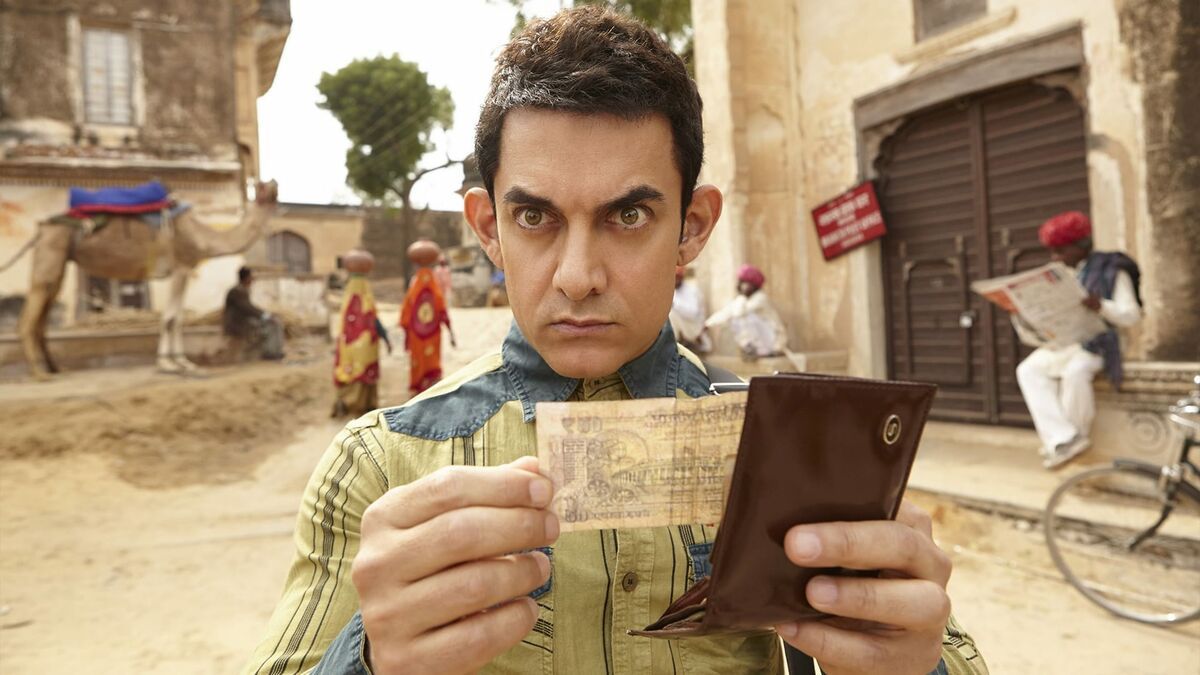
Thus, Indian film-viewing culture merits study. From another angle, its distinctiveness from Western norms may reflect India’s strong cultural identity and resistance to Western influence, particularly the British Raj. The growing global attention to Indian cinema today proves the Indian film industry need not follow Hollywood standards but proudly stands on its own roots, culture, and methods—a source of pride for Indians north and south alike.
References: