

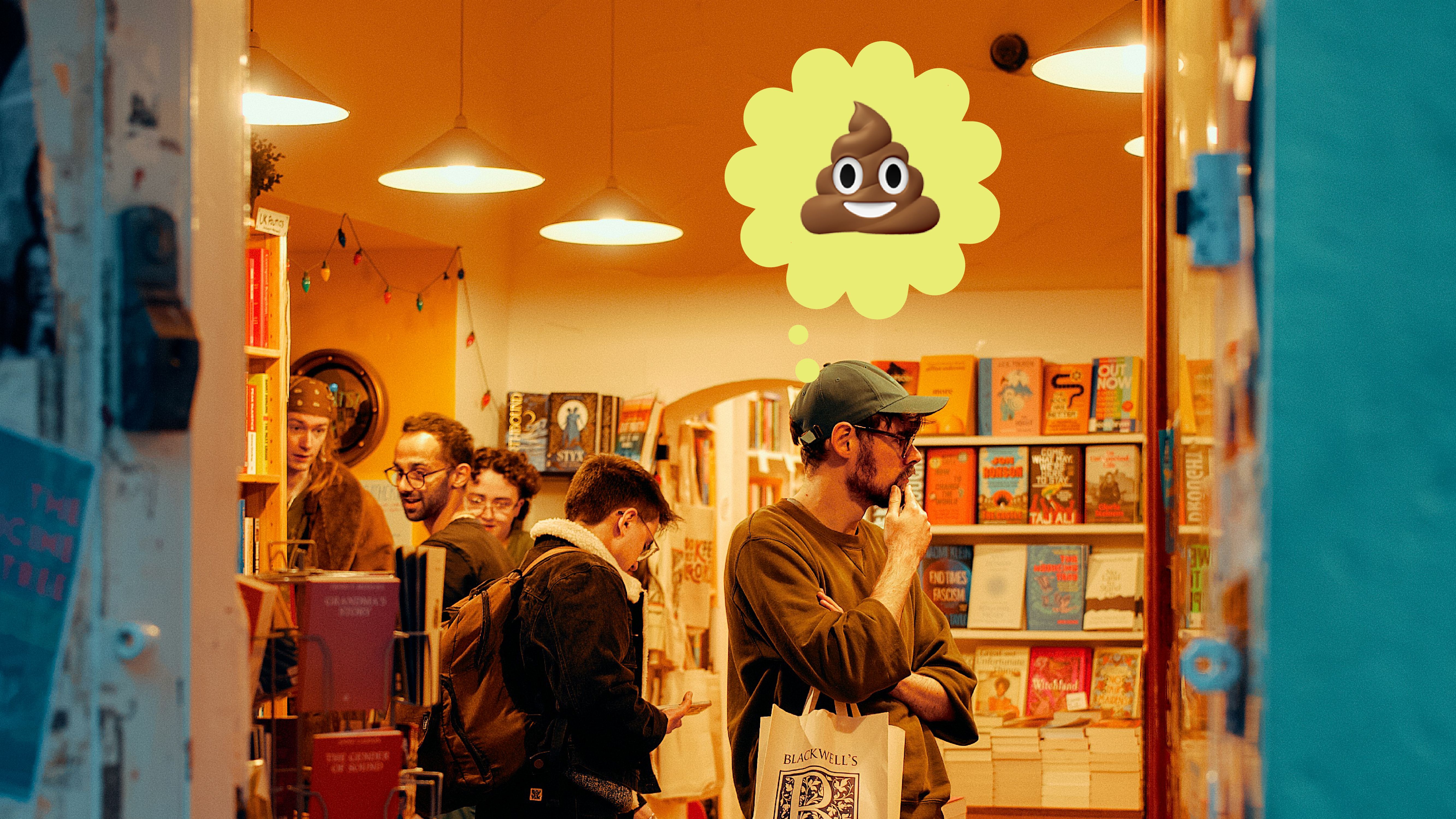
Have you ever experienced this? All day you don't feel the need to use the bathroom, but the moment you step into a bookstore and browse for just a few seconds, you suddenly feel a heaviness in your stomach, prompting an urgent need to find a restroom. In the past, this phenomenon was a mystery with no clear explanation. Western cultures turned it into a fun topic of conversation in libraries and bookstores, often jokingly noting, “I thought I was the only one.” Humorous theories suggested this urge only happened in certain libraries, listing places like Waterstones in the UK and Borders and Barnes & Noble in the US as spots where everyone would feel the sudden need to use the bathroom.
Then, in 1985, a 29-year-old woman named Mariko Aoki wrote a letter describing her personal experience for publication in the magazine Hon no Zasshi. She explained that every time she entered a bookstore, she invariably felt the urge to use the bathroom. After the magazine published her story, the editorial team received many letters from readers sharing the same experience. Thus, this strange phenomenon became known as the Mariko Aoki Phenomenon, though its cause remained unexplained.
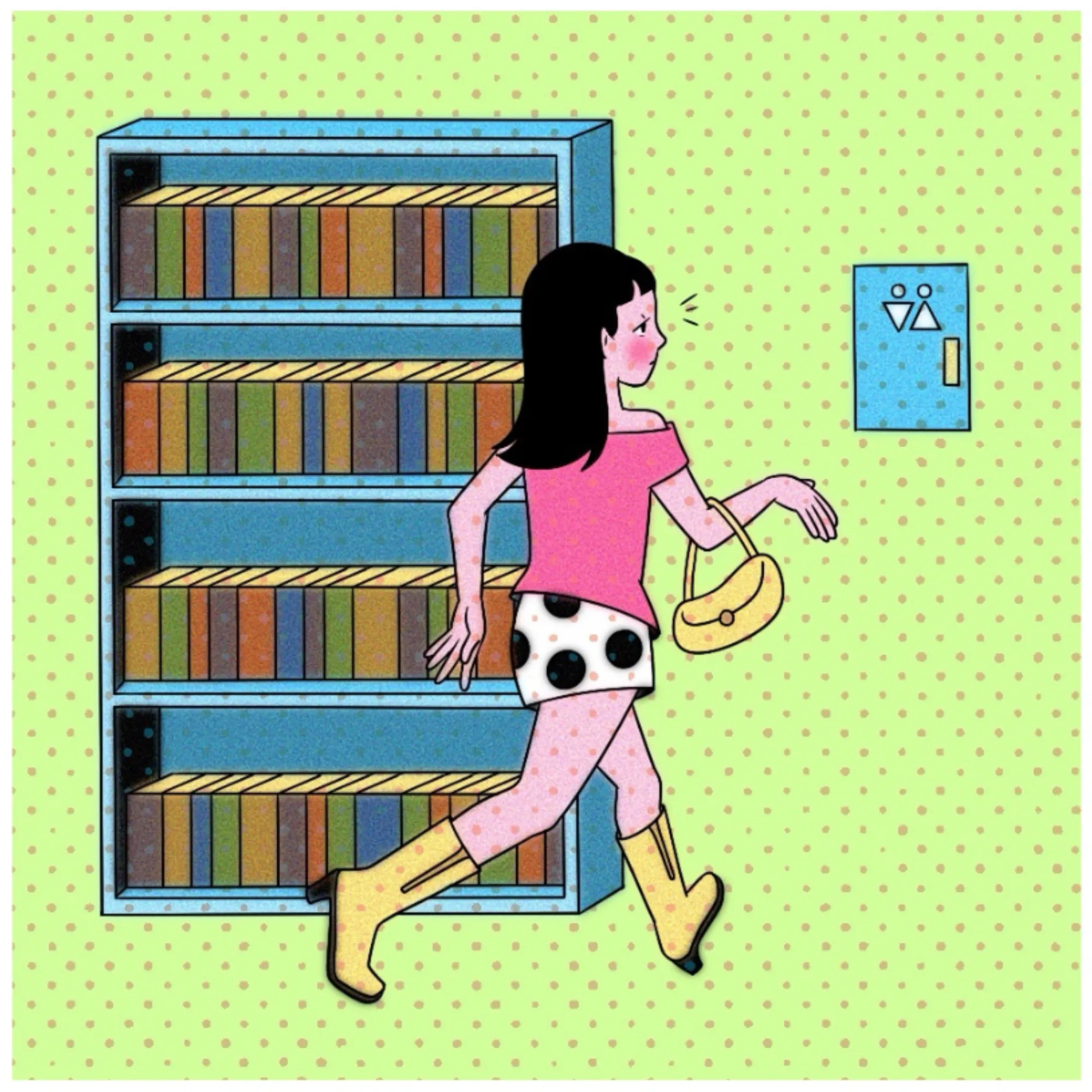
This phenomenon is often discussed online, with various media outlets trying to explain what causes it. One common theory is that the posture of standing and browsing bookshelves stimulates the gastrointestinal tract. Typically, when we look at books, we bend, look up and down, or squat occasionally. Engrossed in browsing, we lose track of how many times we've bent or squatted until we suddenly feel the urge to find the restroom. Although this theory sounds plausible and scientific, it cannot explain why some people feel the urge after only standing and looking at books for less than a minute.
Another theory involves chemicals in the ink used for printing. Book lovers know books have a distinctive smell, and it's speculated that chemicals in the ink might act like a mild laxative. However, critics argue that Mariko Aoki herself worked in a printing house, where she was exposed to chemical smells daily without any such effects until she entered bookstores.
Could it be because people like to read while using the bathroom? A psychological theory suggests that since many read books or other materials during bowel movements, entering a bookstore triggers the brain to associate the environment with the bathroom, causing an immediate urge. Yet, this theory fails to explain why even those who do not read in the bathroom experience the phenomenon.
Interestingly, not everyone feels the urge to defecate while browsing books. Reports say some experience similar sensations when viewing other items in different environments. For example, during the 1990s and 2000s, the heyday of VHS tapes, many customers in video stores began asking for restrooms after browsing for a while. In Japan, this is known as the Tsutaya Effect, named after the Tsutaya store. On Japan's Mixi social media, people discussed how entering Tsutaya always made them feel the need to use the restroom, likening it to the engaging nature of the store causing this regular urge.
Moving to furniture stores, some say places like Home Depot, Michaels, or IKEA act as potent laxatives. Others claim that walking through antique shops or museums makes them want to use the bathroom as well.
The Mariko Aoki Phenomenon is no longer a mystery because these events can be explained by the Autonomic Nervous System (ANS), which controls the automatic functions of internal organs without conscious brain commands.
It starts with what is called the Parasympathetic Shift or Rest and Digest mode. When we work or run errands, the Sympathetic Nervous System, known as Fight or Flight, keeps our bodies alert, suppressing bowel activity. But when we enter quiet, pressure-free places like bookstores, libraries, video rental shops, CD stores, or museums, the brain signals that the environment is safe. This relaxation activates the vagus nerve, increasing blood flow to the digestive system and stimulating peristalsis—the muscular contractions in the gastrointestinal tract—leading to the urge to defecate.
Although this ANS explanation has not been conclusively proven in academic circles as the cause of the Mariko Aoki Phenomenon, it is the most comprehensive explanation. Wherever we feel relaxed and safe becomes a place that triggers the urge to use the restroom. This is a byproduct of human evolutionary survival instincts: humans only defecate in environments perceived as safe from predators because the act of defecation involves vulnerable postures and focus. This may explain why people often feel more comfortable using their home bathroom and why many prefer to empty their bowels before leaving home. It's a bodily mechanism to expel waste, making us feel lighter and more agile before facing the outside world.
Therefore, each person's safe space varies; it need not be a home or a bookstore. It could be an office, supermarket, a particular shop, museum, or public park. To find your own safe space, observe where you most frequently feel the urge to use the bathroom.
On a playful note, this phenomenon might indicate an unconscious fondness for certain environments. Some feel relaxed in bookstores or libraries because they love books; others feel calm in vinyl record shops because of their passion for music; even secondhand clothing stores can be relaxing spaces for thrifty shoppers. This phenomenon is a quirky remnant of our evolutionary past. It may seem useless in the modern world, like wisdom teeth we can't find a use for, but it's an interesting form of self-exploration.
References: