

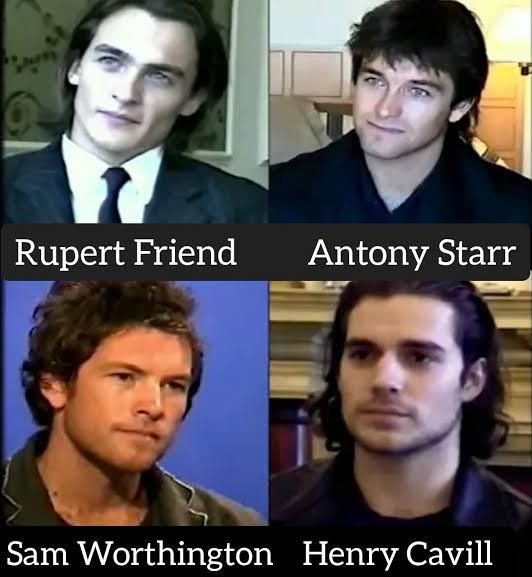
Back in 2005, the casting of the actor for spy number 007, James Bond, was intensely competitive. Candidates included Anthony Starr (now famous for his role as Homelander), Rupert Friend (Hitman: Agent 47), Sam Worthington (Avatar, Clash of the Titans), and Henry Cavill (Man of Steel, The Witcher). At that time, they were relatively unknown, matching the casting philosophy of producers Albert R. Broccoli and Harry Saltzman, who said, “The actor cast as James Bond should not already be a movie star; rather, the role of James Bond should make the actor famous.” Yet, the chosen actor was Daniel Craig, who had not had a prominent role before. When Bond fans learned of the choice, many complained that he wasn’t handsome or charming enough and questioned how Bond could have blond hair.
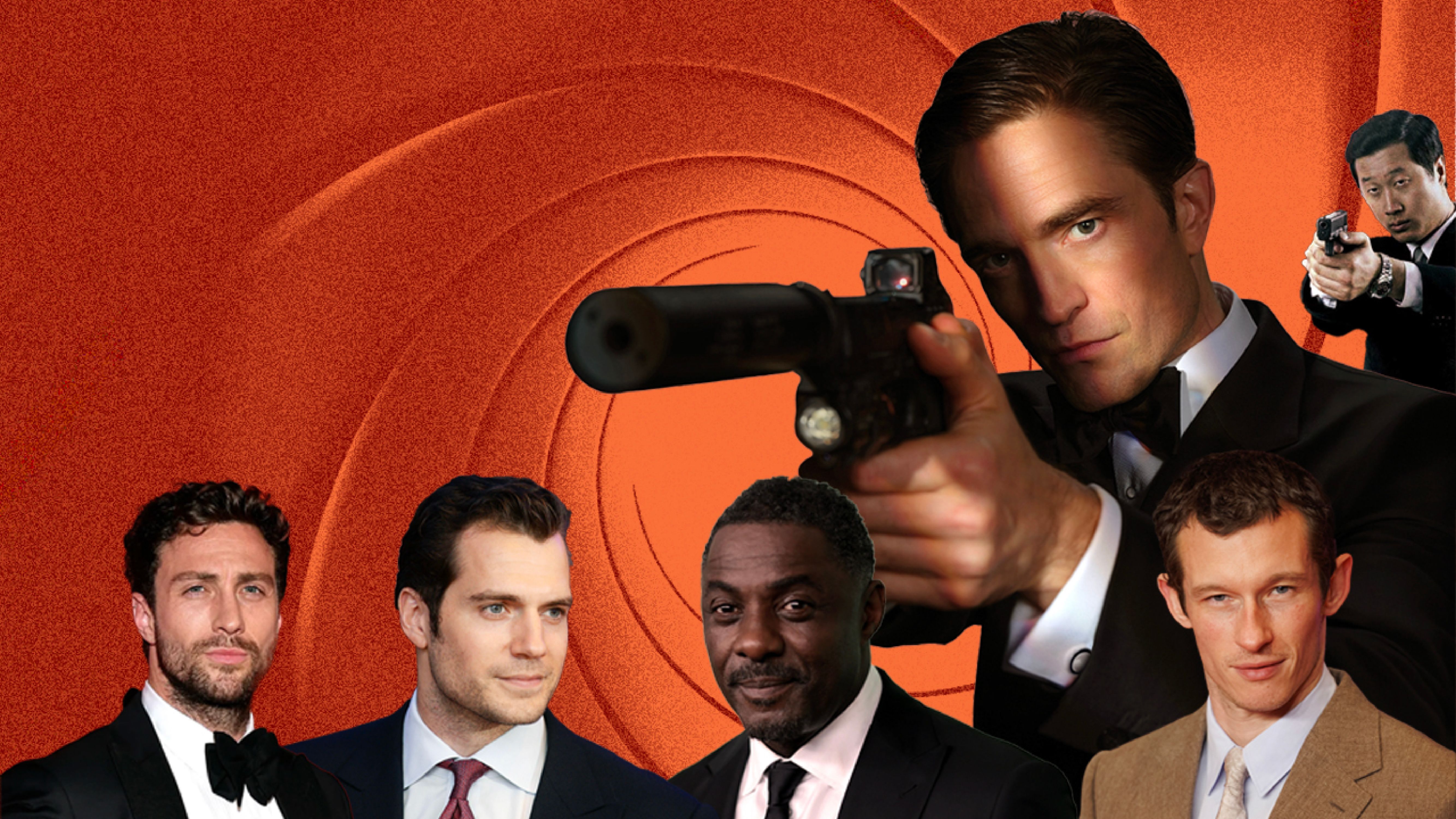
Just one night after the casting, opinions were as divided as in 2005. There was anticipation whether Callum Turner would take the role, with fans comparing his face to Ian Fleming’s descriptions of Bond in the novels. Some hoped Henry Cavill would return, arguing he was too young in 2005 and lamenting that despite his role as a Longines watch ambassador, he never got the Bond part. Additionally, longstanding rumors about Idris Elba potentially becoming the first Black Bond added to the mix.
After a brief rumor that Robert Pattinson was among the candidates, it was officially announced that he would become the current James Bond, succeeding Daniel Craig, who ended his run beautifully with the fifth film, No Time to Die, in 2021. As in 2005, negative reactions surfaced, with many expressing disbelief and insisting Pattinson was unsuitable for Bond, despite acknowledging his excellent acting.
Critics said, “He lacks charm, dignity, or the confident worldliness that define James Bond,” and “He doesn’t exhibit the masculine charisma expected of Bond.” The consensus was that his image lacks the traditional alpha male qualities, resembling more of a lone wolf. Others pointed to his Batman role, arguing, “We shouldn’t have an actor playing both Batman and James Bond at the same time” (Batman: Part II, directed by Matt Reeves, is postponed to 2028). They also cited legendary producer Broccoli, suggesting he would have disapproved of this casting.
Conversely, supporters praised the casting, viewing Pattinson as a true man of today’s cinema who has portrayed diverse, psychologically complex roles with strong performances in recent films like The Odyssey and Primetime (released September, no Thai release date yet). His attractiveness has long been recognized, removing doubts about his appeal.
The James Bond casting rumors have been widely discussed, including in Thailand, sparking curiosity about why the Bond role draws so much public interest.
MI6 Spy and the Ideal Male Image
The Broccoli family no longer produces the next James Bond film. Previously, Barbara Broccoli (daughter of Albert Broccoli) produced the Daniel Craig Bond series, ending with No Time to Die. Barbara told the press the next Bond “should be a man, around 30 years old, and doesn’t have to be white.” She firmly believes Bond should not be a woman, arguing the character was written for a man rather than adapting the role for a female lead.
Casting Bond actors has never been without firm rules, established since the first Bond film, Dr. No, in 1962, starring Sean Connery. Albert Broccoli was part of the production team and understood what audiences desired in a male spy lead. He and his daughter continued the tradition of selecting Bond actors.
Albert believed the actor should not already be famous, reasoning that a famous actor draws attention to themselves rather than the character. This rule is often cited in every new Bond casting. Crucially, the actor must be British (including former colonial territories), as Albert reasoned that Britishness cannot be faked and must come from someone raised within British society.
Regarding appearance, Albert specified the actor should be around 6 feet tall (180 cm or more), aged 28 to 35, with a rugged and sharp look. He emphasized posture, especially the walk. When Sean Connery auditioned, Albert and Saltzman initially disliked his rugged Scottish working-class looks, finding them rough. However, after Connery left the audition, they found his walk charming and confident.
Over time, James Bond films became successful hits, turning Bond into a hero before superhero movies gained popularity. The casting criteria shifted from serving the script to embodying the ideal male image, evolving with changing gender norms.
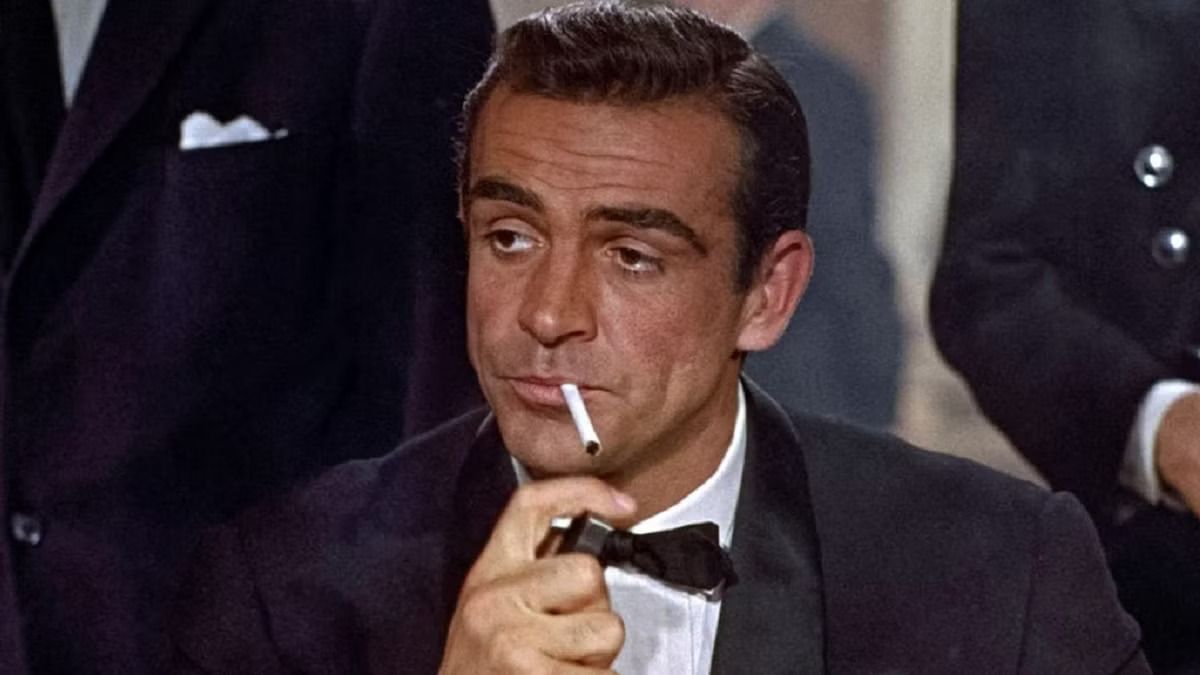
Sean Connery epitomized the 1960s man: patriotic, charmingly playboyish, fierce, and sharp. He pursued whatever he wanted—women, a refined life, or his enemies’ downfall—calm under pressure, powerful, and unshaken by his surroundings. In contrast, Pierce Brosnan’s 1990s Bond, amid the post-Cold War era, was accompanied by Judi Dench’s M, who voiced global critique portraying Bond as an outdated, sexist relic of the Cold War era. This self-aware writing positioned Brosnan as a Bond caught between old-fashioned views and modern politics.
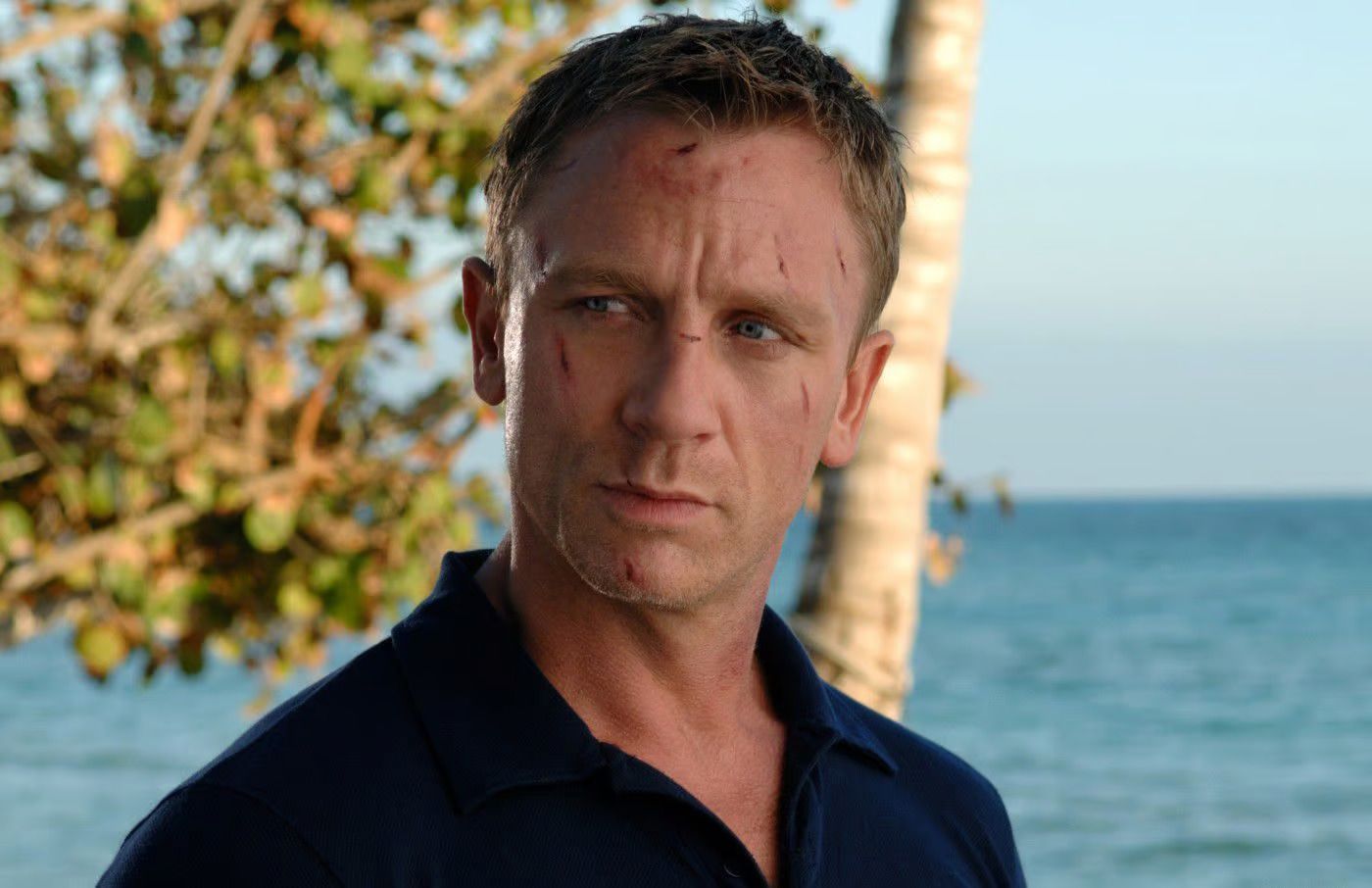
A major shift came with Daniel Craig, whose portrayal humanized Bond—showing pain, vulnerability, and less reliance on advanced technology. Inspired by the Bourne Legacy’s success with a more ordinary, emotionally complex spy, producers aimed to reinvigorate 007 by making Bond more gritty and realistic.
Craig’s Bond also softened traditional masculinity, adding emotional depth, sacrifice, and roles beyond spycraft. Bond girls became strong, intelligent women who often surpassed Bond’s status, promoting gender equality and reflecting a global movement empowering women.
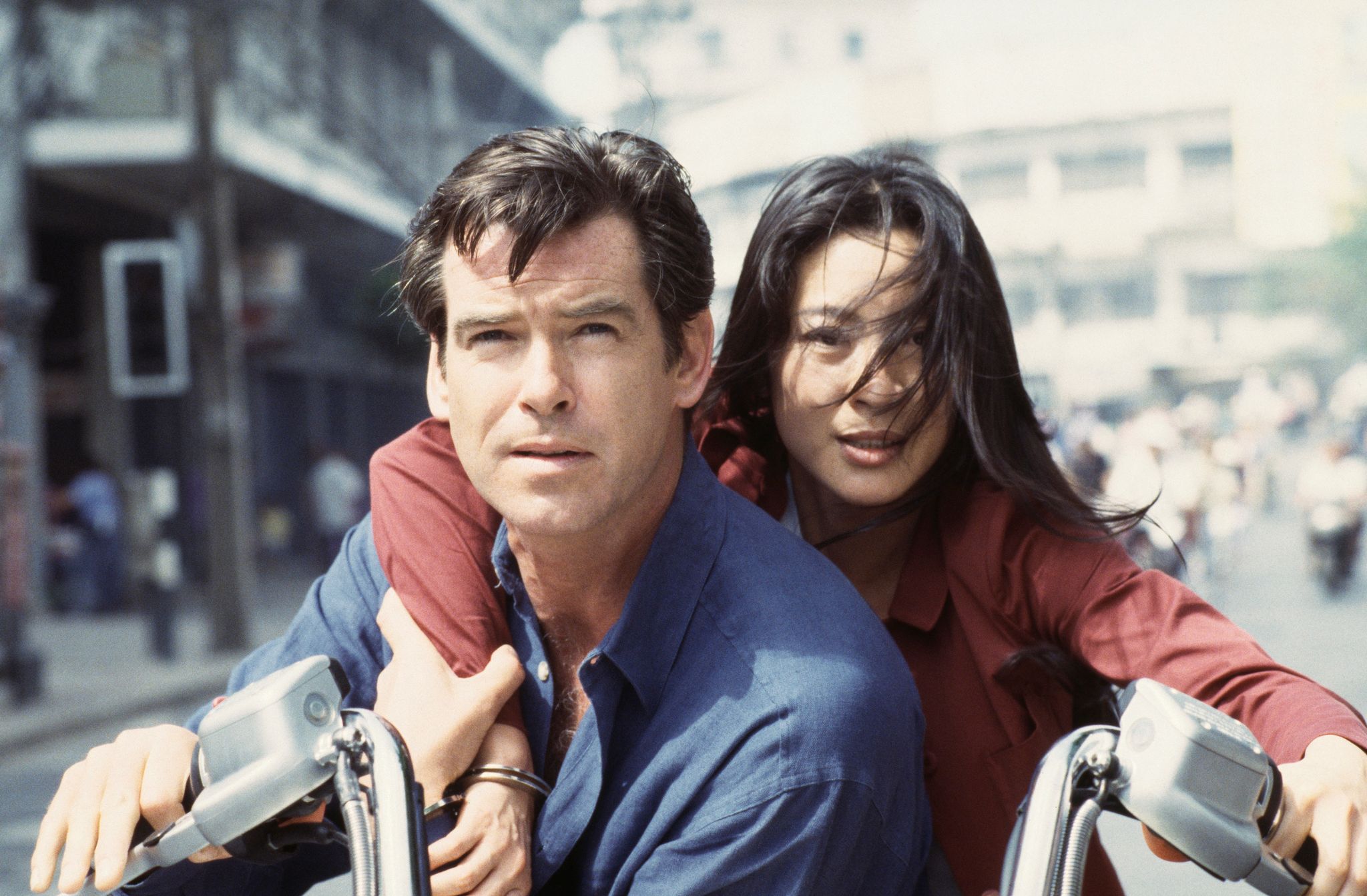
So, what kind of male image does Robert Pattinson represent?
Pattinson’s appeal lies in roles focused on psychological depth and intellect rather than brute force, as seen in Tenet and his Batman portrayal. Producers seem to want the next Bond to emphasize mental manipulation and psychological games rather than physical brawling.
Pattinson may embody a man in a world dominated by data, AI, and state surveillance, where muscles alone don’t suffice. His Bond represents an intellectual with strong mental resilience who navigates the digital age unflinchingly. As a Hollywood actor, he is beloved by Gen Y and Gen Z audiences, adept at embracing memes and trends naturally, which producers likely see as a valuable asset in renewing the Bond franchise.
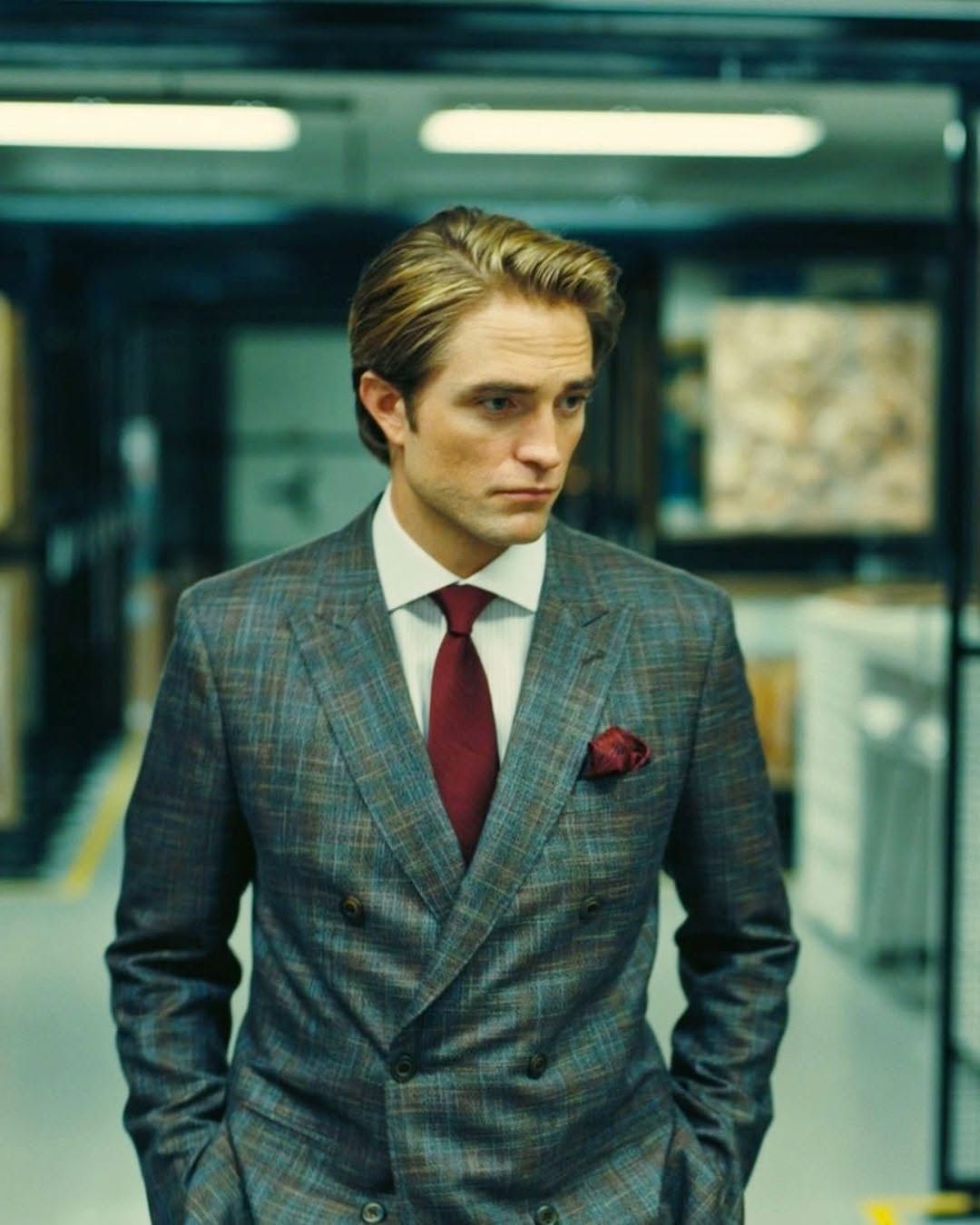
In short, Robert Pattinson breaks from the traditional Broccoli-era Bond mold amid a period of cinematic diversity in perspectives, ethnicity, and social trends. The next Bond film’s direction is highly anticipated, with true success depending not on whether Pattinson fits the old alpha male mold but on how the producers reinterpret Bond for today’s world. Pattinson could set a new franchise standard and become an iconic new kind of spy, much like Daniel Craig, the blond former Bond who overcame early criticism to win global admiration.
References: