

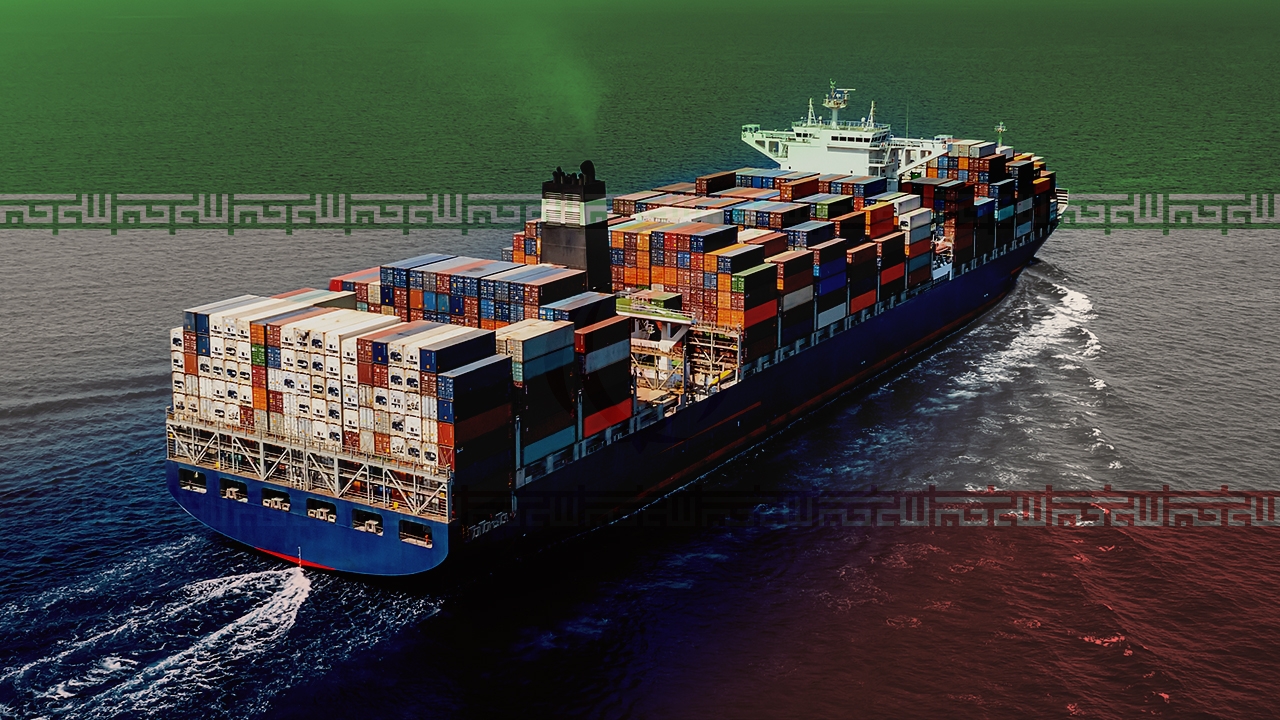
Examining the top five Thai export products to the Middle East that risk impact from the Iran war, including potential airspace closures and the need to navigate through the Strait of Hormuz.
The conflict in the Middle East between the United States and Israel and Iran is shaking one of the world's critical trade routes, as shipping through the Persian Gulf faces uncertainty. This threatens Thailand's five main export products with increased shipping costs and a slowdown in Middle Eastern markets.
In 2025, Thailand's exports to the Middle East totaled over 12.48 billion U.S. dollars, or about 400 billion baht, accounting for 3.67% of the country's total export value. Although this proportion is not very large, the region is an important market for many Thai industrial and agricultural products, especially those relying on maritime transport through the Persian Gulf. The Strait of Hormuz is currently facing risks due to the escalating conflict.
The five Thai product groups with the highest export value and greatest risk of impact, based on 2025 export data to the Middle East, include:
Most of these products depend on sea transport to countries in the Persian Gulf, making them sensitive to fluctuations in logistics costs if the conflict intensifies. Shipping freight rates and marine insurance premiums are likely to rise immediately, while shipping may need to implement stricter security measures or avoid risky routes, resulting in longer transit times.

One key risk point is the Strait of Hormuz, a strategic global energy trade route where over 20% of the world's oil trade passes daily. It is also crucial for major fertilizer exports. If the conflict escalates to the point of prolonged shipping disruptions or Iran closes the Strait, exports of oil from major producers such as Saudi Arabia, Kuwait, Qatar, Bahrain, and the United Arab Emirates would be directly affected. This could cause global oil prices to surge, increasing transportation costs worldwide and threatening global food security.
Meanwhile, air transport also faces risks. Dubai Airport serves as a key hub for distributing Thai goods, especially fresh food and items requiring fast delivery. Airspace closures or flight delays due to attacks could cause delays for Thai products destined for the UAE and those using Dubai as a transit point to Europe and Africa. Airlines would need to adjust flight routes or bear higher fuel costs, ultimately pushing up costs and prices of Thai goods in destination markets.
These impacts are not limited to transportation alone but could also disrupt Thailand's production costs. Volatile oil prices may increase domestic energy and transport expenses. Industries reliant on petrochemical raw materials, such as plastics and packaging, also face risks of fluctuating input costs.
In addition, economic uncertainty in the region may slow orders from the GCC countries, including Saudi Arabia, Kuwait, Oman, the United Arab Emirates, Qatar, and Bahrain, affecting Thai products dependent on these markets.
Nevertheless, the Middle East remains a high-potential market for Thailand, as many countries there have limited natural resources and arable land, relying heavily on imports for food and consumer goods. Some countries import over 70% of their domestic food needs.
Although tensions in the Middle East increase trade risks, the region remains vital to Thailand's export structure, particularly for industrial products, food, and consumer goods that continue to see strong demand.