

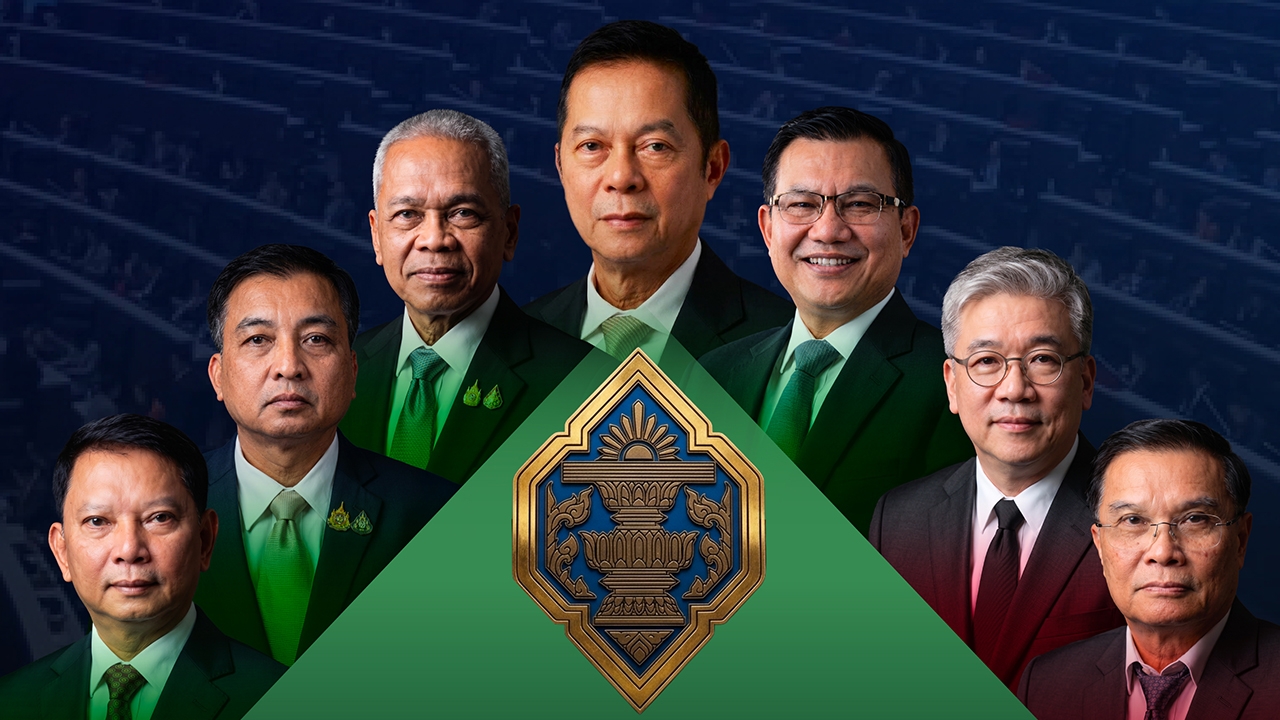
A minority member of the Election Commission opened up about the Senate vote-rigging case, noting a 5:2 vote to dismiss charges 1 and 2 against Bhumjaithai Party executives, while other allegations resulted in no unanimous decision, emphasizing that decisions were made strictly based on the evidence.
Today (15 September 2026) at the Election Commission Office, Sitthichot Intarawiset, an Election Commissioner and minority voter in the Senate vote-rigging case, said that the key allegations 1 and 2 concerning actions by individuals in the political party, including executive committee members and MPs, did not receive unanimous decisions. Some key members had a 5:2 vote to dismiss the charges or a 6:1 vote for some accused individuals. For some executives not involved, there was unanimous dismissal. He emphasized the consideration was based on evidence and not all decisions were 5:2.

When asked about the extent of accountability for party executives regarding allegations 1 and 2, Sitthichot acknowledged that he and fellow commissioner Chai Nakornchai were minority voters who found the evidence quite credible. The context showed the wrongdoing was not isolated but spread nationwide. Key evidence was found in provinces like Nakhon Si Thammarat, Phuket, Nong Bua Lamphu, Uthai Thani, Nakhon Sawan, and Sukhothai, where meetings were held in hotels to prepare ballots. Twelve ballots were confiscated, marked with numbers corresponding to the top seven vote-getters. The group involved in making these ballots was punished, indicating the ballot preparation was election fraud that could lead to criminal prosecution under Section 77(1).
“If we look at it this way, every area involved is linked to the same party; no other political parties interfered. Everyone involved is a party member or associated with the party. After preparing the ballots, the evidence aligns with witness statements that initially changed their testimony. The first testimony mentioned meetings where party MPs or personnel assigned tasks and carried out the actions described. I do not necessarily believe the individual witness personally, but I trust that their statements were acted upon and actually happened. If this can be proven by that witness, then it is credible.”