

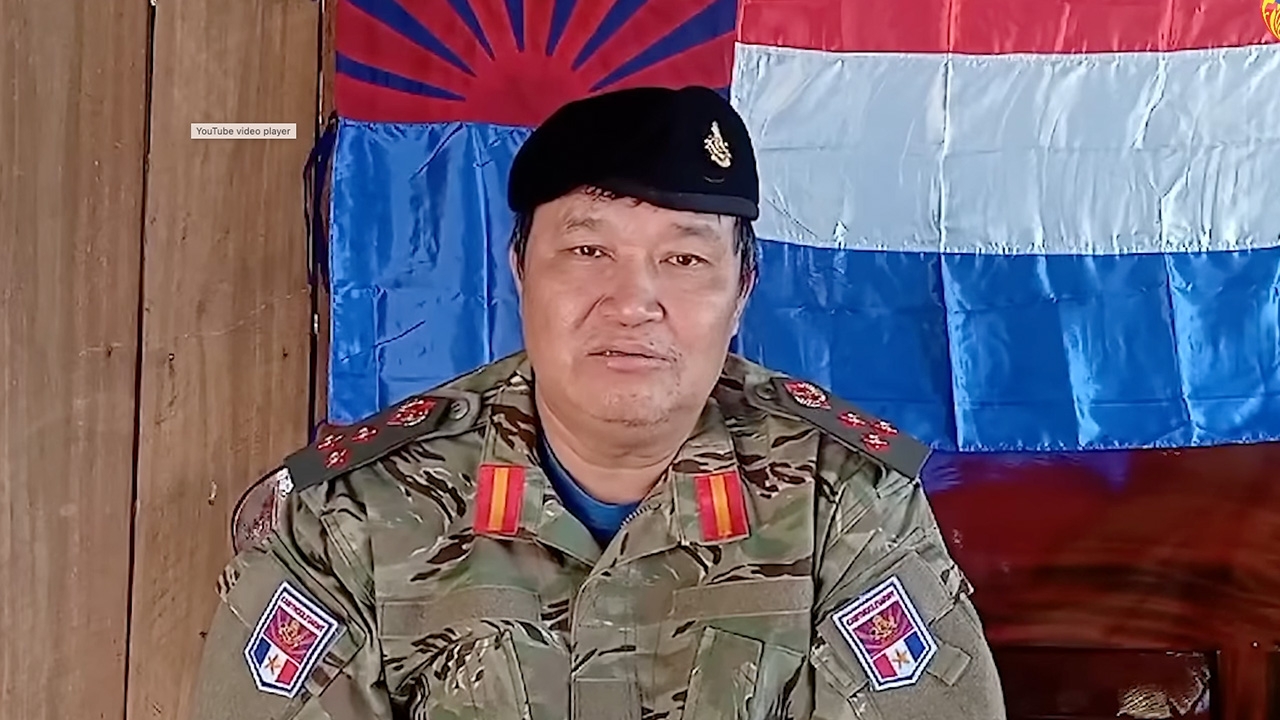
The Kawthoolei Republic is a complex issue involving both historical and border political aspects. Here is an explanation of the origins and reasons for its separation from Myanmar.
The Kawthoolei Republic is the name used by the Karen people to refer to the land they desire to self-govern. The term "Kawthoolei" means "lush green land" or "land free of sorrow."
Colonial roots: During British rule in Myanmar, the Karen people received privileges and more education compared to the majority Burmese, creating social gaps and distrust among ethnic groups.
Broken Panglong Agreement: When Myanmar gained independence in 1948 CE, various ethnic groups expected a federal system as promised in the Panglong Agreement, but the central government instead consolidated power centrally.
Armed uprising: The Karen National Union (KNU) began guerrilla warfare demanding independence and separation as a sovereign state on 31 January 1949, marking the start of one of the world's longest civil wars.

The Karen state extends along Thailand's western border. The provinces bordering Karen-influenced areas (and the claimed Kawthoolei territory) include:
Mae Hong Son Province
Tak Province (key areas include Mae Sot, Phop Phra, and Umphang districts)
Kanchanaburi Province
Ratchaburi Province
Parts of Phetchaburi Province

The situation in Kawthoolei directly affects Thailand in several ways:
Refugees from conflict: When clashes occur between Myanmar troops and Karen armed groups (such as the KNLA or KNDO), civilians flee across the border into Thailand, creating humanitarian and refugee camp management challenges.
Border economy: Fighting forces temporary closures of key border checkpoints like Three Pagodas Pass (Kanchanaburi) and Mae Sot (Tak), severely impacting trade worth substantial value.
Security: Issues include stray bullets crossing the border, airspace violations, and transnational crimes such as drug trafficking and human trafficking that exploit the conflict zones.
Public health: Population movements along the border risk spreading epidemics, including malaria.