


In 2026, Vietnam's economy is highly regarded as an ASEAN "rising star," with expectations that its nominal GDP may surpass Thailand's or rise to third place in the region, behind Indonesia and Thailand, by total value. The following details the driving factors and comparisons with Thailand.
1. Factors driving Vietnam's growth in 2026
Key drivers enabling Vietnam to target GDP growth as high as 10% in 2026 include:
Large-scale infrastructure investment: The government is accelerating public investment spending by over 26% in 2026, including projects like Long Thanh International Airport (near Ho Chi Minh City), scheduled to open, and a high-speed rail connecting to China.
Demographic structure (Golden Population): Vietnam has a large young workforce (nearly 70% of the population is of working age) and wages remain highly competitive compared to Thailand and China.
High-tech manufacturing base: The shift of production bases from China (China+1 strategy) to Vietnam in electronics and semiconductors is becoming clear, with multinational companies establishing more complex manufacturing facilities beyond final assembly.
Free trade agreements (FTAs): Utilization of EVFTA (with Europe) and CPTPP gives Vietnamese goods tariff advantages in global markets.
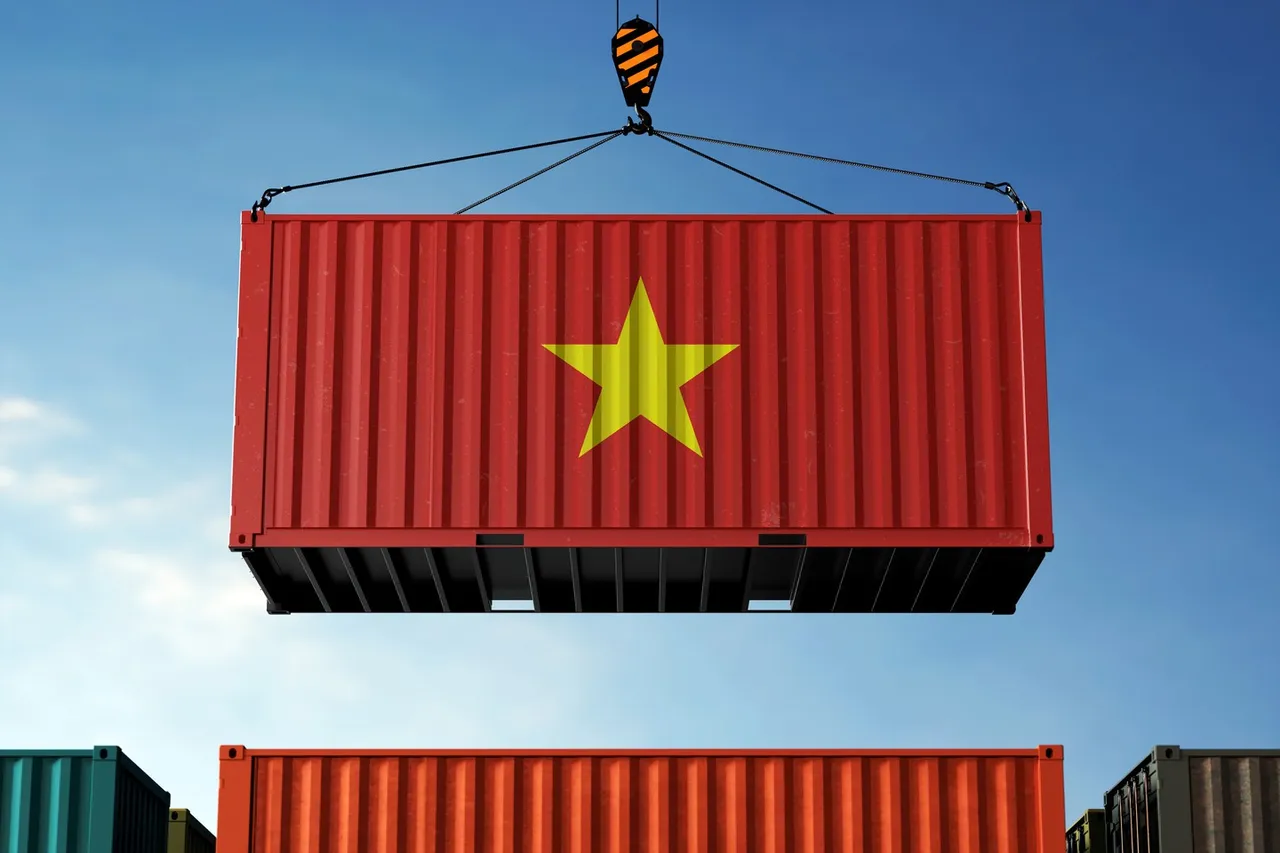
2. Which countries invest the most?
The main foreign direct investors (FDI) in Vietnam still come primarily from East Asia, with the leading groups as follows:
Singapore: Often in the form of funds and investments in real estate/industrial parks.
Japan: Focused on advanced manufacturing industries and infrastructure.
Hong Kong and China: Rapidly expanding investments, especially in electronic components and clean energy.
South Korea: Led by Samsung and LG, which use Vietnam as a major global production base.
Thailand: Currently one of the major investors in Vietnam, focusing on retail businesses (Central Group), renewable energy, and agro-processing industries.
3. Comparison of key products: Vietnam vs. Thailand
In 2026, the export product structures of both countries increasingly overlap and compete intensely.
Product categories | Vietnam (rising star/high exports) | Thailand (maintaining base/facing challenges) |
Electronics | Mobile phones, computer equipment, semiconductors (largest share) | Electrical circuit boards, hard disk drives (slowing down) |
Agriculture | Fresh durian (market share in China rising to 35%), coffee, rice (volume-focused) | Fresh durian (still leading but market share declined to 64%), rubber, premium rice |
Industry | Textiles and garments, footwear (dominating mass market) | Automotive and parts (transitioning toward EV), chemicals, plastic pellets |

4. Comparative analysis with Thailand
Growth rate: While Vietnam aims for 7-10% growth, OECD and research centers forecast Thailand to grow only 1.5% - 2.5% due to structural issues such as an aging society and high household debt.
Different strengths: Thailand still has a stronger automotive industry ecosystem and a tourism sector that generates higher added value, but Vietnam is catching up quickly with rapid legal reforms and attracting new investments (new FDI).