

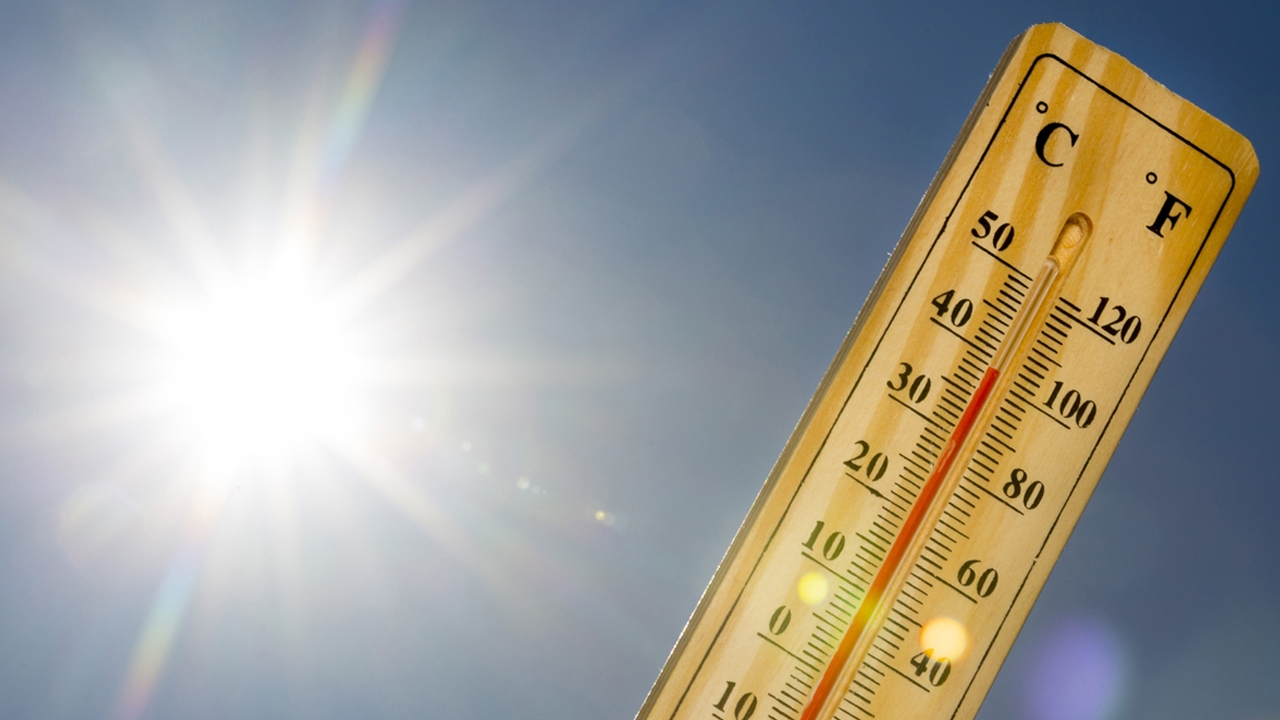
The Meteorological Department has issued a forecast for Thailand's summer weather in 2026, stating that the season will begin about two weeks later than usual, officially starting in late February and ending around mid-May.
Overall weather: Extremely hot and drier than normal.
This year, the weather is expected to be hot and very warm in many areas, with notable statistics as follows:
Average maximum temperature (upper Thailand): ranges from 36 to 37 degrees Celsius, which is slightly higher than the normal of 35.4 degrees Celsius and a bit above the 2025 level.
Rainfall: The total average rainfall is expected to be 30 to 40 percent below normal, which may affect agricultural areas outside irrigated zones.

Early to mid-March: Hot weather during the day in many areas, but northern and northeastern regions will still experience cool mornings.
Late March to mid-April (peak period): Generally hot and sultry weather almost everywhere, with some areas experiencing extreme heat; maximum temperatures may reach 42 to 43 degrees Celsius, especially in the north.
Late April to mid-May: Transition period with increasingly unstable weather, more thunderstorms alternating with hot and sultry conditions.

Areas to watch for 'extreme heat' (above 42 degrees Celsius).
Provinces expected to be affected by extreme heat include:
Mae Hong Son.
Lampang.
Tak.
March to late April: Thunderstorms over 20 to 30 percent of the area; sea waves about 1 meter high.
May: Rainfall will increase continuously, especially on the west coast (Andaman Sea), with rain covering 60 to 80 percent of the area and possibly heavy rain in some places; Andaman Sea waves may reach 2 to 3 meters high.

Due to extremely hot and dry conditions, the public should prepare to handle various situations as follows:
Summer storms: Beware of thunderstorms, strong gusty winds, and hail, which may cause damage to property and agricultural crops.
Health: Monitor for heatstroke from prolonged outdoor exposure.
Disasters: Watch for wildfires and forest fires, which often occur in dry weather.
Water management: Conserve water to ensure sufficient supply for consumption throughout the season.