

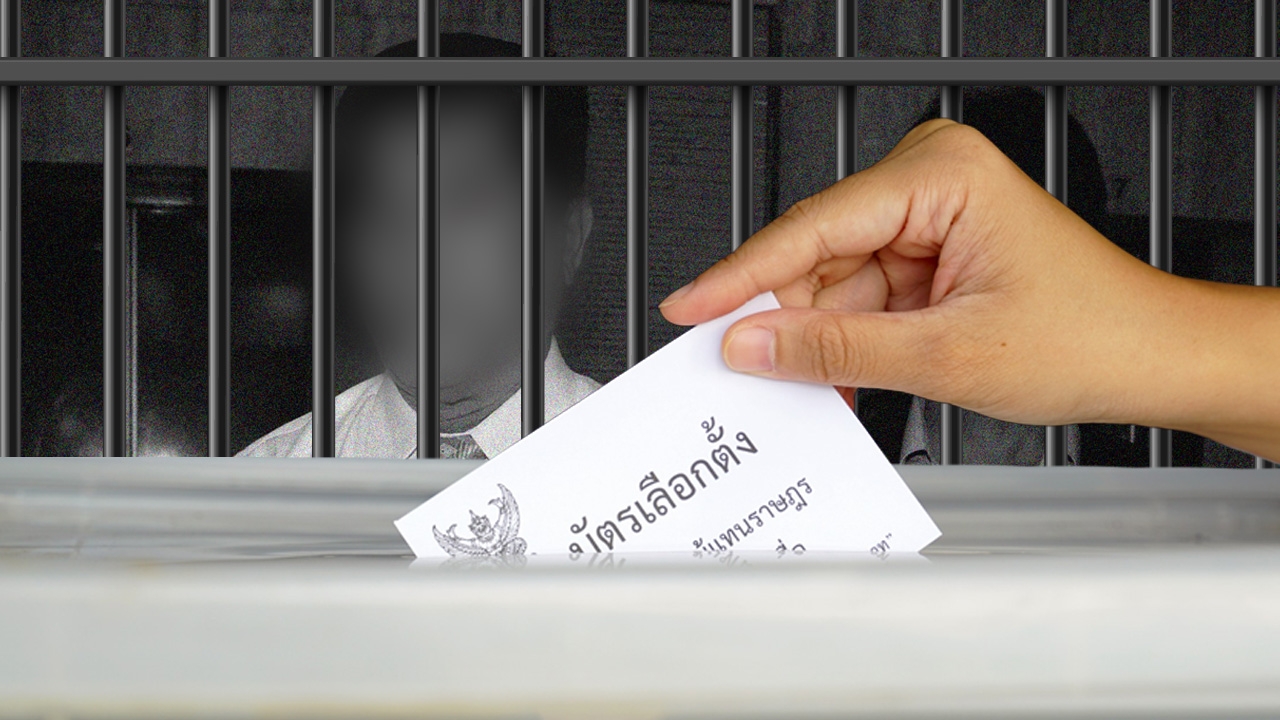
Former Election Commissioners imprisoned: revisiting the scandalous election that shook Thai politics in 2006 involving the hiring of small political parties to run in elections, before the court sentenced former Commissioners to prison, reflecting mistakes that remain a lesson to this day.
This case is one of the most significant chapters in Thai political history because it directly affected public confidence in independent organizations such as the Election Commission at that time.
The importance of the case, which took place on 3 June 2016, can be summarized as follows.

The case originated from the 2 April 2006 general election, which faced allegations of lack of transparency, especially regarding the issue of "hiring small political parties" to run in elections to avoid the 20% vote threshold required in constituencies with only one candidate.
• Defendant 1: Pol. Gen. Wasana Phamlap (former Chairman of the Election Commission)
• Defendant 2: Mr. Prinya Nakchattri (former Election Commissioner)
• Charges: misconduct in performing duties under Criminal Code Section 157 and the Election Commission Act B.E. 2541 (1998) Sections 24 and 42.
The Supreme Court analyzed the behavior of both defendants, highlighting the following points.
1. Delaying the process: Both Commissioners were accused of failing to promptly investigate allegations that the Thai Rak Thai Party (the major party at the time) hired small political parties, which was considered a deliberate delay.
2. Lack of impartiality: The court viewed these actions as benefiting certain political parties, contrary to the Election Commission’s mandate to be neutral and fair.
3. Severity: Although the defendants cited their past good conduct, the court held that the Election Commissioner role requires laying the foundations of democracy, and neglecting duties in this manner caused serious harm to the nation.
Case conclusion.
• Trial court: sentenced to 4 years imprisonment without suspension.
• Appeals court: upheld the trial court’s verdict but reduced the sentence to 2 years imprisonment.
• Supreme Court (3 June 2016): upheld the appeals court ruling, sentencing each defendant to 2 years imprisonment without suspension and revoking voting rights for 10 years.