

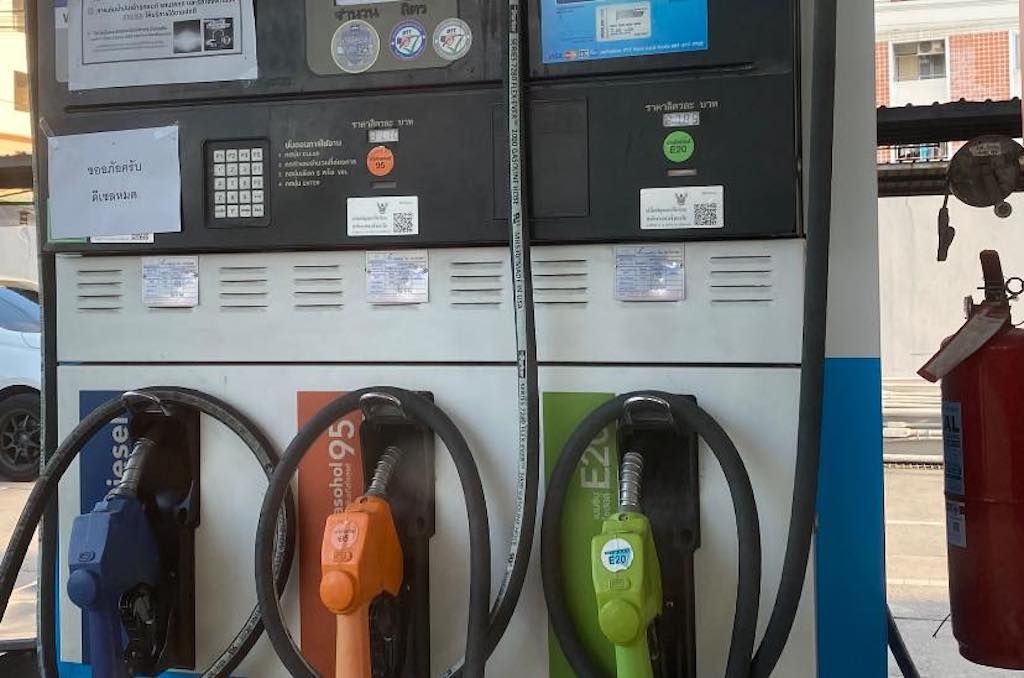
Diesel fuel prices have a widespread impact on Thai people because they are a "fundamental cost" underpinning the economy in many aspects, especially during 2025-2026 when global conditions are highly volatile and unstable.
Diesel fuel acts like a major artery in Thailand’s economic system. When diesel prices rise, the effects reach people through three main channels:
Transportation costs of goods: Most trucks in Thailand run on diesel. When fuel prices increase, transportation costs for consumer goods (food, daily necessities) also rise, causing final prices at markets and stores to increase accordingly.
Public transportation fares: Buses, songthaews (shared taxis), and most mass transit vehicles use diesel. Price hikes may lead to fare increases, affecting daily expenses for workers.
Agricultural production costs: Farmers use diesel for agricultural machinery, tractors, and water pumps. Higher diesel prices raise planting costs, impacting profits and crop prices.

Thailand imports about 90% of crude oil for refining, with most of the diesel produced coming from these sources:
Main crude oil import sources (2025 - 2026)
Middle East (about 57%): including the United Arab Emirates (the largest source), Saudi Arabia, and Qatar, which supply heavy crude oil suitable for diesel refining.
United States: A major import source in recent years.
Asia-Pacific: including Malaysia, Laos (refined fuel), and Indonesia.
Biodiesel blend (B7)
The diesel sold at pumps includes about 7% B100 (pure biodiesel), which Thailand produces domestically from crude palm oil to support palm farmers and reduce imports.
During this period, the government used the fuel fund to "cap prices" to reduce living cost impacts amid the Middle East conflict that pushed global oil prices higher.
Month | Approximate diesel prices | Notes |
December 2025 | 29.94 - 32.94 baht per liter | Prices were capped as a New Year gift. |
January 2026 | 29.94 - 33.94 baht per liter | Slight increase reflecting fuel fund situation. |
February 2026 | 29.94 - 34.94 baht per liter | Prices remained stable due to fuel fund subsidies. |
March 2026 | 29.94 - 35.00+ baht per liter | Currently, the government aims to keep prices between 30-33 baht per liter, but global market volatility remains high due to the ongoing war. |