

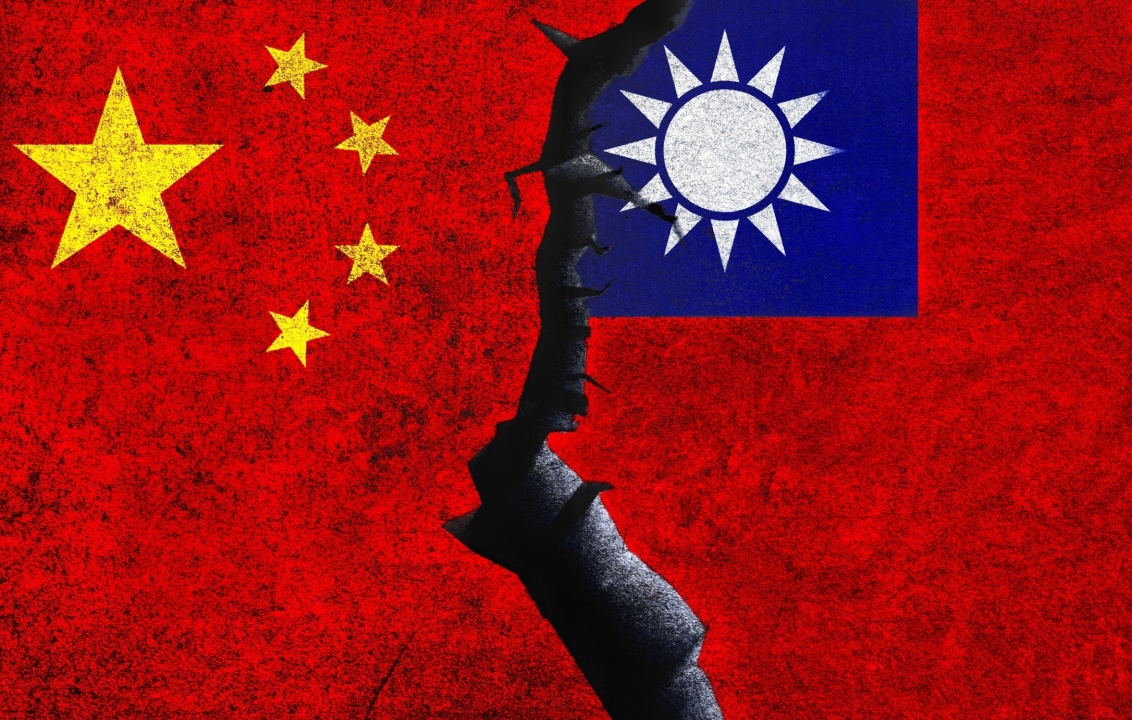
The conflict between China and Taiwan has sharply intensified in early 2026, both in military operations and strategic maneuvering. A "proposal" that has drawn global attention can be summarized into two main points as follows.
The information about "China offering a deal for national unification" is indeed a proactive proposal originating from Beijing.
In mid-March 2026, taking advantage of the global energy crisis caused by conflicts in the Middle East, China officially submitted a proposal through the Taiwan Affairs Office stating:
The proposal: China is prepared to fully guarantee Taiwan's energy security, including electricity, natural gas, and crude oil, if Taiwan agrees to the process of "peaceful unification."
The incentive: China aims to highlight the high risks Taiwan faces in the event of a blockade or energy shortage during wartime, asserting that unification would provide Taiwanese people with cheaper and more stable energy supported by the mainland.
Taiwan's stance: Under President Lai Ching-te, Taiwan's government immediately rejected the proposal, calling it a political coercion tactic using citizens' welfare as leverage, and reaffirmed that Taiwan maintains sufficient energy reserves.

While publicly speaking of "peace and energy deals," the People's Liberation Army (PLA) continues to apply military pressure:
Recent events (March 2026): After a roughly two-week pause during the National People's Congress (NPC) meeting, on 15 March 2026, China deployed 26 fighter jets near Taiwan.
ADIZ incursions: Among them, 16 jets crossed the Taiwan Strait median line and entered the Air Defense Identification Zone (ADIZ) covering northern, central, and southwestern sectors, accompanied by seven warships operating around Taiwan.
Gray Zone tactics: Analysts view this as a test of Taiwan's air defense systems and a warning signal that "military options" remain on the table if Taiwan does not accept political proposals.

China-Taiwan relations in 2026 have shifted from purely military confrontations to a blend of "psychological warfare combined with global crises"—such as energy shortages and overseas war refugee situations—to pressure Taiwanese society toward reliance on China. However, as long as political ideologies remain deeply opposed, such a "deal" remains far from practical reality.