

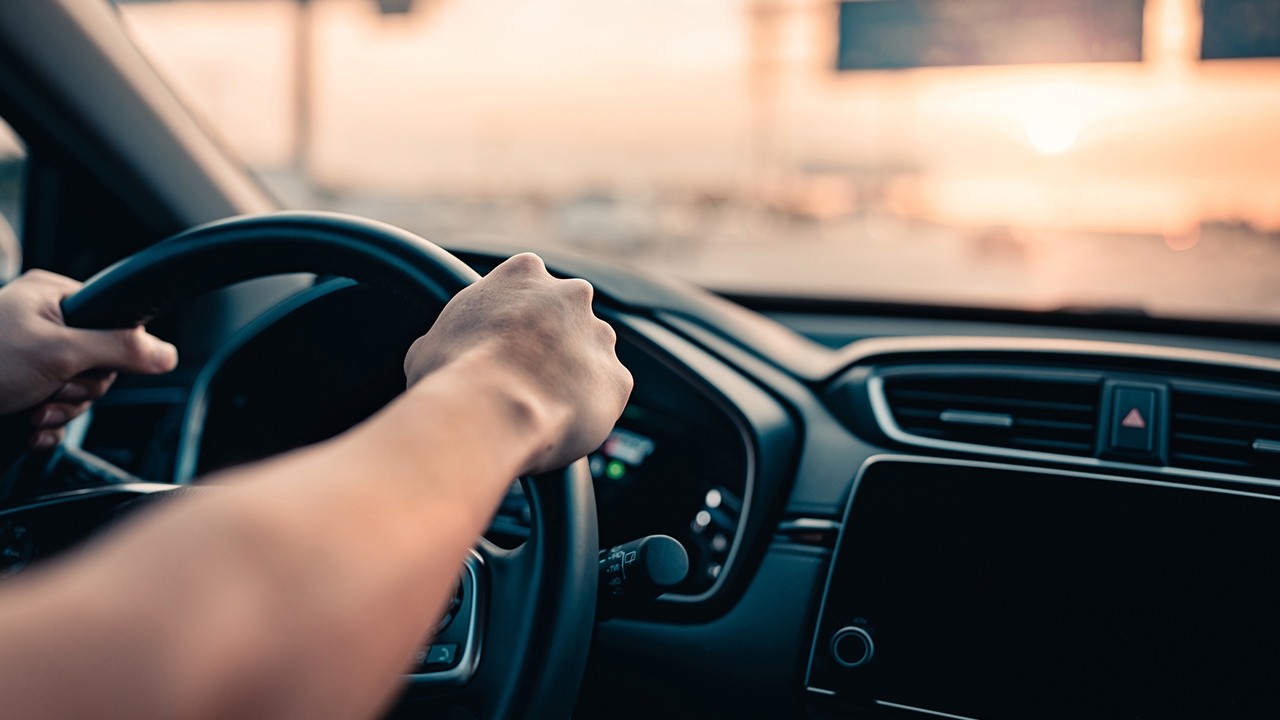
In 2026, when fuel prices are highly volatile, making small adjustments to driving behavior can save more money than expected. The key principles are "smoothness" and "vehicle integrity."
Driving techniques categorized by vehicle type to help you apply them precisely.
These vehicles focus on agility and light weight; the most effective technique is managing resistance.
Maintain steady speed: Try to drive between 80 - 90 km/h, which is the engine's most efficient operating range.
Avoid carrying unnecessary loads: Sedans usually have small engines, and every extra 10 kg noticeably affects acceleration and fuel consumption.
Use momentum wisely: Before traffic lights or intersections, ease off the accelerator and let the car coast (engine brake) instead of braking abruptly.

Pickup trucks have high torque and significant air resistance; the key technique is controlling engine RPM.
Shift gears at low RPMs: For manual transmissions, shift around 2,000 RPM; avoid revving unnecessarily.
Close the tailgate when not carrying loads: Leaving the tailgate open at high speeds creates air turbulence (drag), increasing fuel consumption.
Check tire pressure for loads: When carrying cargo, inflate tires according to the manual, as underinflated tires greatly increase rolling resistance.
These vehicles are typically heavy and have aerodynamic shapes; the technique is to reduce engine load.
Accelerate smoothly: Because of their weight, flooring the accelerator from a stop consumes a lot of energy; gradually ease into motion.
Manage air conditioning: Family cars have spacious cabins, so the AC works hard. Set the temperature reasonably (around 25°C) and avoid unnecessarily high fan speeds.
Plan routes: Using Google Maps to avoid traffic jams is crucial for large vehicles, as idling in city traffic greatly wastes fuel.

Summary table of "Fuel-Saving vs. Fuel-Wasting" behaviors
Behavior | Effect on Fuel Consumption |
Driving below 90 km/h | Saves about 10-15% |
Underinflated tires | Increases fuel use by about 3% |
Carrying an extra 50 kg load | Increases fuel use by about 1-2% |
Idling for 10 minutes | Consumes about 0.2 - 0.5 liters of fuel |