

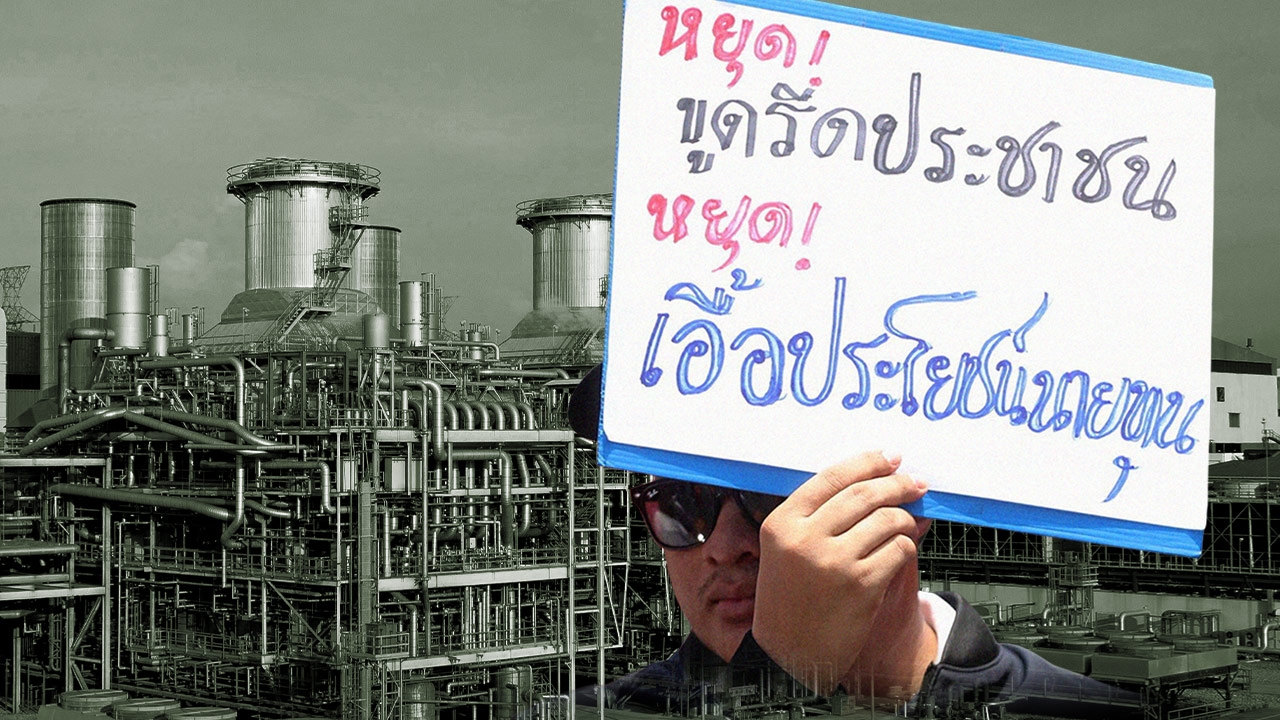
The Energy Regulatory Commission (ERC) approved raising the electricity rate for May-August to 3.95 baht per unit. Rosana criticized this as worsening the energy crisis and suggested cutting idle fees and availability payments to power plants even when not operating. She insisted on ending subsidies to private firms to reduce electricity costs immediately by 17 satang per unit.
On 1 April, the Energy Regulatory Commission (ERC) meeting approved the electricity tariff for the second quarter (May-August 2026), setting the fuel adjustment charge (Ft) at 16.23 satang per unit. Combined with the base electricity rate of 3.78 baht per unit, this results in an average electricity rate of 3.95 baht per unit (excluding VAT), an increase from the first quarter's 3.88 baht per unit.
The ERC Secretary-General revealed that proposals to freeze the electricity rate at 3.88 baht per unit would require a budget of about 5 billion baht over four months.
The electricity price increase has raised concerns about exacerbating the cost-of-living crisis caused by high oil prices. Thairath Online Special News Team Discussing this issue with Dr. Areeporn Aswinpongpan Energy researcher at TDRI and Ms. Rosana Tositrakul Specialized expert committee member on public energy and environmental services, Consumer Organizations Council, about the impact and solutions.

Dr. Areeporn revealed that the electricity price increase affects all sectors in a chain reaction—citizens, businesses, and product prices. Each rate adjustment involves the fuel adjustment charge (Ft), linked to fuel production costs and currency exchange rates.
Currently, Thailand's electricity production costs have risen due to instability in the Middle East, causing LNG prices to increase. The real cost would be nearly 5 baht per unit. Going forward, it depends on government policy whether to freeze the rate at 3.88 baht or adopt the average rate of 3.95 baht per unit.
"In this crisis, freezing the price can help people to some extent, especially during the hot season when electricity use is high and with work-from-home campaigns ongoing. However, I do not support long-term price freezes—only during this oil price crisis. Any further electricity price increases would heavily impact the public."
Dr. Areeporn noted that it is uncertain when the unrest will ease. Even if it ends before the new rates start in May, energy prices won’t immediately drop because energy and gas must be purchased and stocked in advance. If prices are frozen for four months costing 5 billion baht, the government will need to allocate funds from other budgets since the 3.95 baht rate already includes clawback of excess profits.
She said price freezing is a short-term measure to get through the energy crisis. In the long term, the electricity pricing structure should be adjusted to reflect true costs fairly. Any costs that are not genuine should be negotiated with private firms for reductions.

Ms. Rosana suggested a solution by proposing the removal of renewable energy subsidies, known as the Adder, which the government has paid at 8 baht per unit since 2007 when renewable energy costs were high. Now, renewable energy prices have dropped and markets are competitive.
The ERC has calculated that removing this subsidy would reduce electricity rates by 17 satang per unit. The National Energy Policy Council (NEPC), chaired by the Prime Minister, has the authority to order this change immediately.
Ms. Rosana revealed that the Consumer Organizations Council is suing the Administrative Court, arguing that the 8 baht surcharge is an added cost not related to production but a state policy subsidizing renewable power producers at that time. Contracts with producers are typically five years but have auto-renewed repeatedly, which is inappropriate. Now, with the war crisis, the government can invoke force majeure to cancel or change agreements without lawsuits from private firms.
"Now that Anutin is NEPC chairman, he can order the Adder subsidy canceled, immediately reducing electricity costs. Do not protect businesses and pass burdens onto the public and other electricity-using sectors."
Additionally, there is the "Availability Payment" (AP) that the state pays to power plants, some of which are not producing electricity because current system capacity exceeds actual demand and legal reserve requirements. Thus, for plants that have recouped costs, the government should negotiate to cancel availability payments.
"There are also plans to add more power plants. Currently, Thailand’s reserve capacity is very high. We should not contract or add more plants, which would increase reserves and require additional payments."

Ms. Rosana also proposed the government allow households with rooftop solar panels to use a net metering system—if a household uses 200 units but produces 100 units, the electricity authority should offset the difference. The government should also open opportunities to purchase electricity from household solar beyond large solar farms, helping generate income and reduce burdens for citizens.
Regarding Energy Minister Eknat Promphan’s announcement to review the rate hike and freeze the rate at 3.88 baht, Ms. Rosana said they are monitoring closely and after the Cabinet fully assumes office, the Consumer Organizations Council will seek talks with the relevant ministers and the Prime Minister as NEPC chairman.

Today (2 April 2026) Energy Minister Eknat Promphan told the Inside Thailand program that the NEPC has authority to review the ERC decision to freeze the electricity rate at the previous average of 3.88 baht per unit. This would involve managing the funds of the three state-owned electricity authorities (EGAT, MEA, and PEA), which the government fully owns, by using unused investment funds (Claw Back) or requesting profit sharing from the electricity authorities, currently about 9 billion baht, to help reduce the new tariff. They also plan to adjust performance indicators (KPIs) to avoid affecting bonuses and morale of electricity staff.
In the long term, the electricity structure will be reformed by allowing direct power purchase agreements (Direct PPA) between producers and users, expanding quotas for buying electricity from households with solar panels beyond the current 90 megawatts, and adding user categories to encourage managing electricity use during low-cost production hours (Demand Response), which will help lower overall electricity costs. These measures will begin immediately after the oath-taking ceremony.