

Thairath Online
Thairath Online

Illegal Avocado Imports Flood Thailand, Health Risks Warned Especially When Eaten Fresh

Interview03 Apr 2026 23:52 GMT+7

Share

Illegal Avocado Imports Flood Thailand, Health Risks Warned Especially When Eaten Fresh

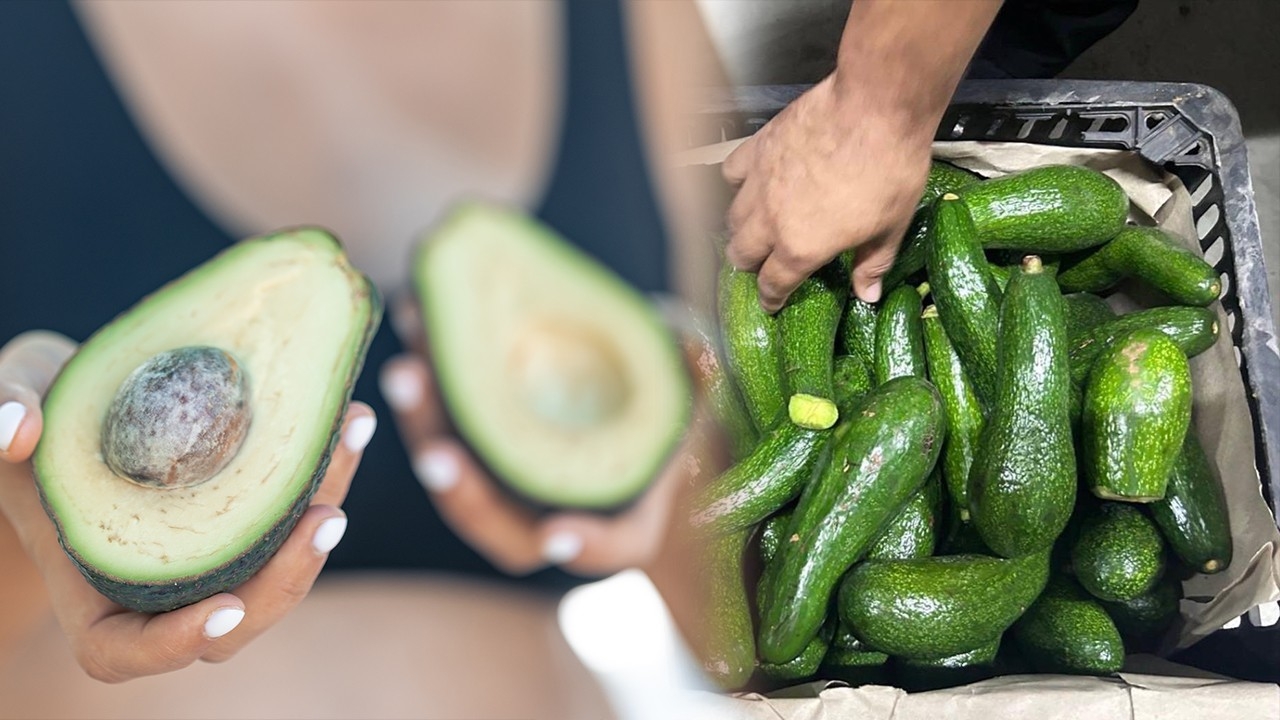
Avocados have become one of the most popular fruits being smuggled into Thailand currently. Recently, the Customs Department seized a shipment of foreign-origin avocados weighing a total of 1,050 kilograms with an estimated value of 63,000 baht.

On 30 Mar 2026 GMT+7, the Customs Department, through the Nakhon Phanom Customs Office, coordinated with local agencies to seize suspicious items at the That Phanom trade relaxation point in That Phanom District, Nakhon Phanom Province. They found goods that had not passed proper customs procedures entering the kingdom for domestic sale. The inspection revealed foreign-origin avocados packed in crates weighing a total of 1,050 kilograms, valued at about 63,000 baht. All items were confiscated as evidence. This case is a violation of importing goods without customs clearance under the Customs Act B.E. 2560 (2017).

Regarding avocados, data shows that smuggling agricultural products is ongoing, with avocado being one of the most popular fruits continuously smuggled. The key points are as follows.


Main routes and sources.

From the Nakhon Phanom Customs case, the overall picture is clear as follows.

  • Origin countries: Mostly from neighboring countries bordering Thailand, such as Vietnam, a major avocado growing region, with some possibly coming from Myanmar.
  • Import routes: Usually through natural borders or trade relaxation points at border provinces such as:
    • Northeastern region: Nakhon Phanom, Mukdahan (crossing the Mekong River from Laos/Vietnam).
    • Northern region: Chiang Rai, Tak (crossing from Myanmar).
  • Methods: Smuggling via trucks carrying other goods or long-tail boats crossing without customs clearance or plant health inspections.

    Professional tips for selecting avocados to ensure preferred taste and texture.

  • How to identify smuggled avocados.

    It may be difficult to distinguish avocado varieties by sight alone, but the following observations help.

    • No clear label or origin: Legally imported products must have stickers or indicate the country of origin on packaging.
    • Unusually low price: If the price is less than half that of the same avocado variety in department stores, suspect tax evasion or smuggling.
    • Packaging: Often packed in simple plastic crates or woven baskets without standard branding, or in sacks.
    • Points of sale: Commonly found at border markets or sold from mobile trucks without verifiable farm sources.

    Health and community impacts.

    Eating smuggled avocados carries risks consumers may not realize.

    • Chemical residues: These avocados have not passed safety inspections by the Food and Drug Administration or the Department of Agriculture, so it is unknown if pesticides or fungicides were overused.
    • Plant diseases and pests: This is a major national concern as foreign pests or diseases might enter and spread, potentially devastating local avocado farms.
    • Product quality: Due to lack of temperature control and standard transport, the fruit may be internally spoiled or treated with unsafe ripening agents.


    Supporting Thai avocados or legally imported ones, though slightly more expensive, ensures bodily safety and helps prevent exotic plant diseases from harming the country's agricultural economy.


    Raw avocado consumption is risky, especially if the fruit is smuggled and likely contaminated with chemical residues.