

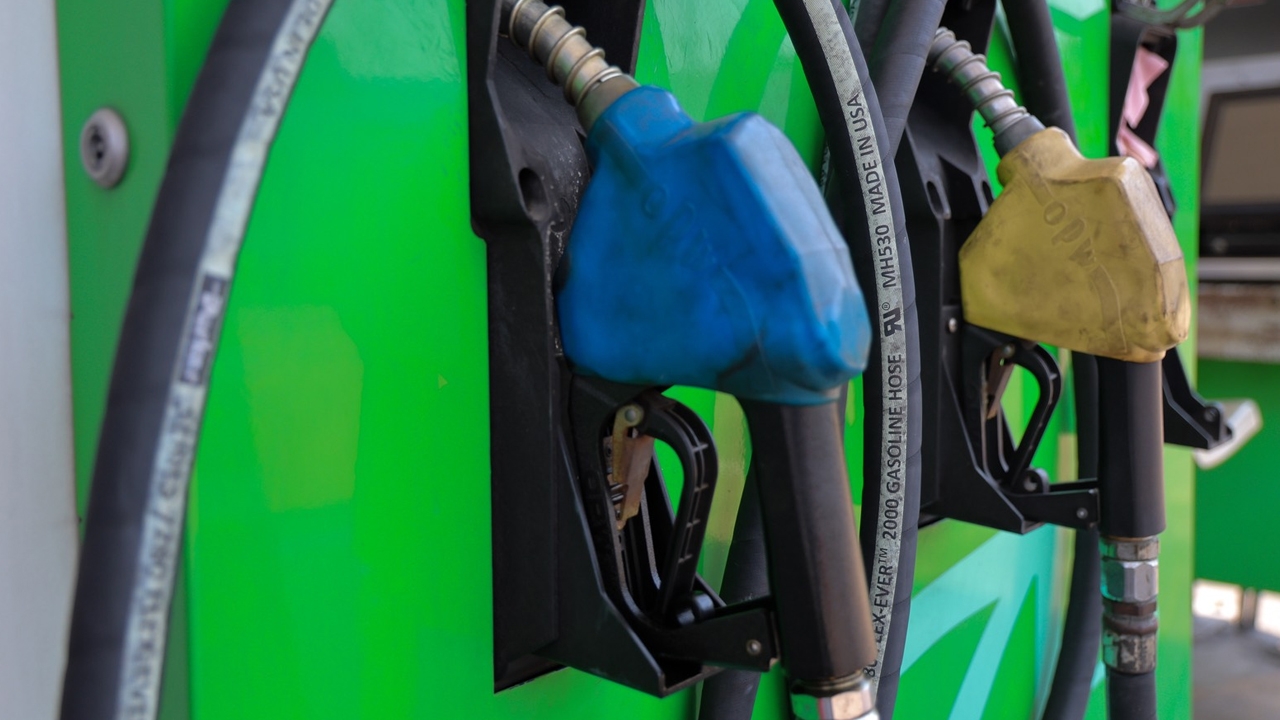
Pump closure policy revisited: A look back at measures controlling gas station operating hours amid severe oil shortages. Thailand has implemented such controls twice before, with Anutin planning to start anew on April 20, 2026.
Tracing the history of controlled fuel dispensing hours in Thailand and reviewing the latest measures planned for 2026.

Thailand has applied the measure of "closing gas stations at specified times" to address major energy crises on two main occasions:
1973-1974: During the first global oil shock, the government ordered gas stations to close at night to reduce electricity use and unnecessary travel.
1979-1981: In response to the second global oil crisis caused by the Iran-Iraq war, Prime Minister Prem Tinsulanonda's government banned fuel sales from 18:00 to 06:00 (later relaxed to 22:00) to conserve foreign currency spent on oil imports.

Regarding the latest developments in 2026 amid energy shortages and high prices, the "restricted sales hours" policy includes the following details:
Schedule and operating hours:
Expected enforcement start date: April 20, 2026, after the Songkran festival, to avoid disrupting holiday travel back to hometowns.
Sales blackout period: 22:00 to 05:00 the following day.
The government promotes clean energy use and supports the transport sector, allowing gas stations to sell certain fuel types 24 hours a day, including:
Gasohol E20: to encourage use of ethanol-blended fuel.
Diesel B20: to assist trucks and the freight sector, preventing impacts on consumer goods prices.

Reducing oil imports: Soaring global oil prices have worsened the trade balance, prompting the government to reduce non-essential nighttime fuel consumption.
Energy shortages: Geopolitical issues have made crude oil sourcing more difficult.
Psychological measure: To raise public awareness of the crisis and encourage serious energy conservation.
Summary comparison table of operating hour controls.
Category | Past measure (1979) | 2026 measure (current government) |
Closing time | 18:00 / 22:00 | 22:00 |
Opening time | 06:00 | 05:00 |
Exceptions | Almost none (except emergency vehicles) | E20 and B20 sold 24 hours |
Main goal | Reduce foreign currency spent on imports | Reduce energy use and promote clean energy |