

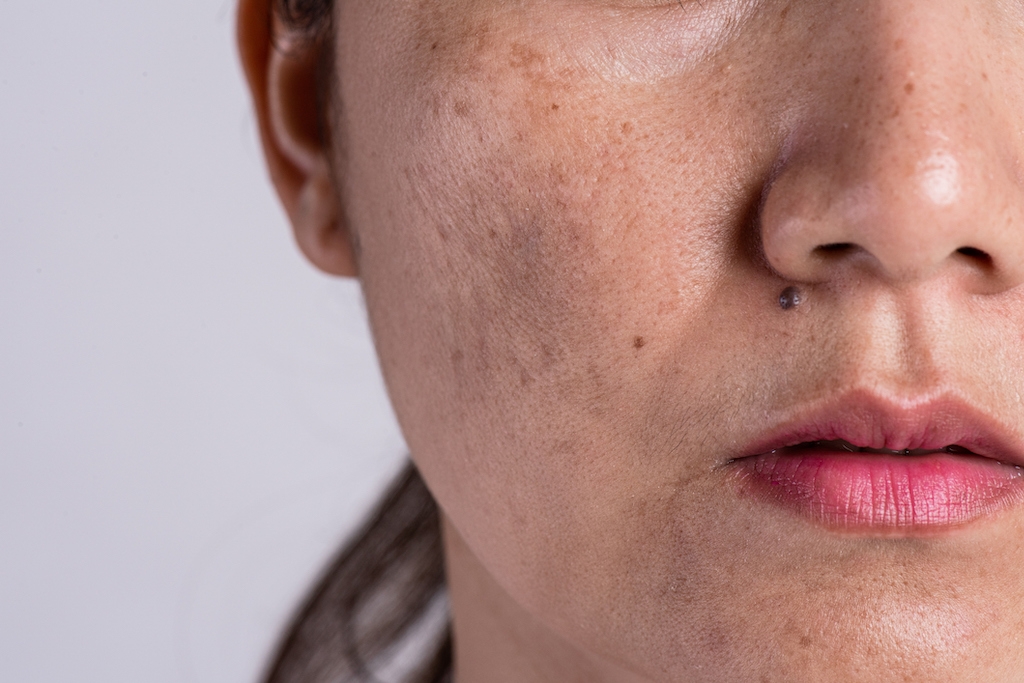
Peeling patches for melasma, currently trending on social media, have raised concerns. Several dermatologists have issued advice, particularly highlighting the differences in climate and treatment approaches between South Korea and Thailand.
These patches often contain potent exfoliating agents that cause the skin to peel off in sheets.
Skin Thinning: Rapid removal of the upper skin layer weakens the skin barrier.
Inflammation: When the skin becomes irritated or inflamed, the body responds by producing more pigment (post-inflammatory hyperpigmentation), leading to darker melasma or permanent dark spots.

References are made to Korean skincare technologies, such as cold laser treatments, or favorable climates, but Thailand’s environment is completely different:
UV Index: Thailand has a high UV index nearly year-round. When the skin is thinned and sensitive after peeling, sunlight can easily damage deeper skin layers immediately.
Heat: Hot weather causes blood vessels to dilate, which contributes to melasma’s resistance to treatment and darkening.

Experts state that melasma is a chronic condition that cannot be cured by a single "peeling" treatment. Proper care requires a combined approach including primary medication, sunscreen, and appropriate laser treatments under medical supervision.
Using non-standard peeling patches may expose users to harmful substances such as mercury or hydroquinone in excessive amounts.
"Do not risk peeling your skin yourself." If you want to treat melasma, consult a dermatologist to diagnose the melasma type (epidermal, dermal, or vascular), as each requires different treatment. Random peeling can cause long-term skin damage.