

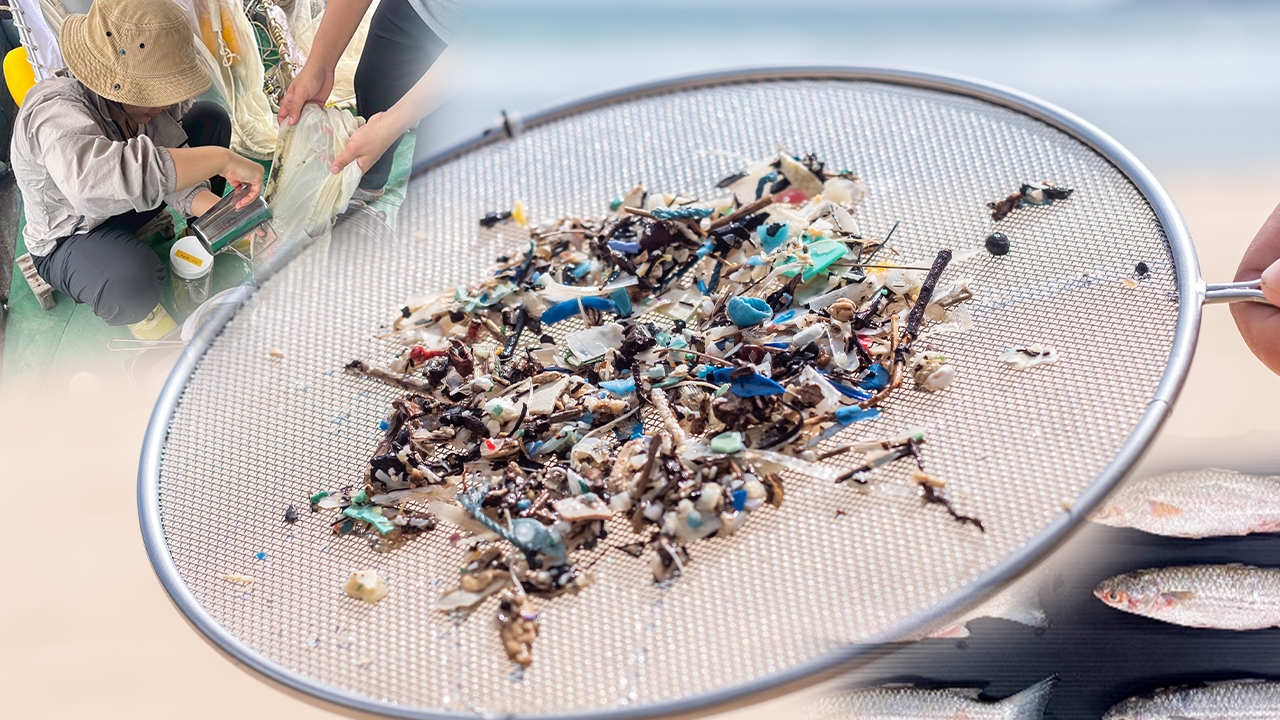
Research reveals microplastics present in over 80% of Thais, warning that bottled drinking water and seafood, including shrimp, blood cockles, and sea bass from Eastern region rivers, are nearby contamination sources spreading rapidly in the rainy season.
The Thai Health Promotion Foundation (ThaiHealth) collaborated with the Thai Association of Environmental Higher Education Institutes and a network of researchers to release a study reflecting a shocking public health and environmental crisis. It found microplastic contamination in up to 80% of Thai bodies and identified Eastern river basins as key routes transporting plastic waste into the food chain. Researchers urged policy proposals for waste management from the source to ensure sustainability.

Associate Professor Dr. Uma Langkulsen from the Faculty of Public Health at Thammasat University revealed that tests on waste samples from a public group showed microplastic contamination in more than 80%, with an average of 3.24 particles per 100 milliliters in urine and 3.6 particles per 20 grams in feces. Most plastics detected came from the breakdown of single-use plastics such as PP, PE, and PET, along with more hazardous types like PVC, PU, and PS. This indicates daily microplastic intake into the body and raises concerns about cancer risks and neurological development, as no clear safety standards currently exist.

The study found contamination sources directly linked to daily habits, especially in bottled drinking water, where cup-packaged water contained the highest microplastic levels at 382 particles per liter, and PET bottles contained up to 331 particles per liter.
Additionally, Thai mackerel averaged as many as 78 microplastic particles per fish. Microplastics were also found in ice, table salt, and economically important aquatic species near the mouths of Eastern rivers, including shrimp, blood cockles, and sea bass. This Eastern river basin is a strategic area with notably higher contamination density at river mouths than upstream. It serves as a route carrying over 1,300 tons of plastic waste annually into the sea.

Associate Professor Dr. Ratcha Chaiyachana, head of the research project at Kasetsart University, stated that the team used a 50-micrometer mesh detection technique, which identifies microplastics 42 times more than the standard 350-micrometer mesh, reflecting that contamination in Thailand's ecosystems is more severe than previously estimated.
The study also found seasonal variations: microplastic density in water rises during the rainy season, while certain aquatic species, such as fiddler crabs, show peak contamination levels in the dry season, with statistically significant differences.

This research highlights deeply rooted structural problems in Thai society. Dr. Wijarn Simachaya, director of the Thai Environmental Institute Foundation, emphasized that the clearest reflection is the failure of an ineffective waste management system. Thailand produces 27.2 million tons of solid waste annually, averaging 1.2 kilograms per person per day, but lacks strict source segregation. Consequently, plastic waste escapes into waterways, breaks down into microplastics, and re-enters the human food chain.
This issue aligns with findings from Associate Professor Dr. Satree Thai Pummai, a researcher at Kasetsart University, who identified a knowledge gap among the public. Despite massive daily plastic use, most people have limited awareness of microplastics, cannot clearly identify their sources, and do not recognize the silent dangers embedded in consumption habits. This represents a significant long-term risk factor.
The lax plastic management has triggered a severe chain reaction with broad impacts. This crisis not only degrades aquatic ecosystems but also directly threatens food security and community economies. When economic aquatic species are contaminated with microplastics, consumer confidence falters, harming traditional fisheries livelihoods. Moreover, from a public health perspective, continuous accumulation of plastic particles and toxic chemicals in humans accelerates chronic health problems, inevitably reducing productivity and dramatically increasing national healthcare expenses.

Dr. Phairoj Saonuam, deputy director of ThaiHealth, concluded that ThaiHealth prioritizes disease prevention. They aim to turn these research findings, which reveal structural problems and severe impacts, into actionable national policy proposals. The goal is to accelerate health risk surveillance and improve systematic plastic waste management, thereby protecting Thais from invisible threats before the situation worsens beyond timely resolution.