

Solution for junior soldiers abused by beating: allowing external agencies to inspect. A lawyer views that witness protection processes must be in place from the start of the case.
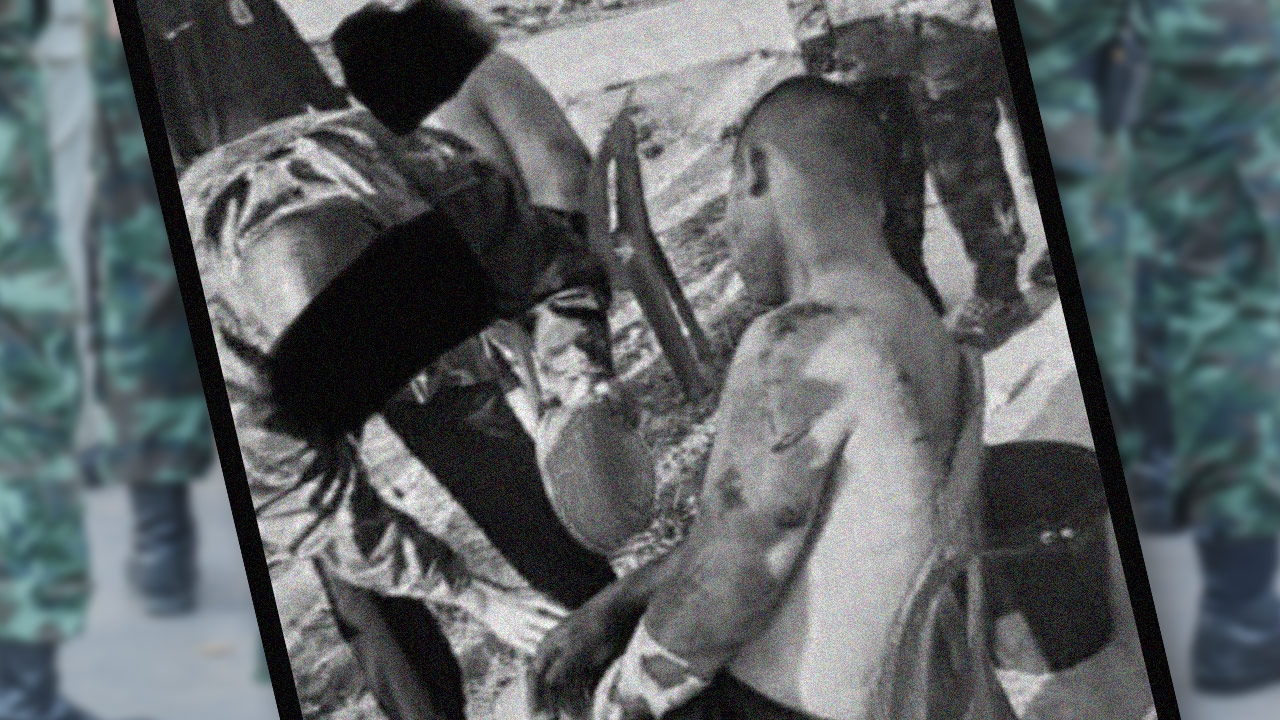
Regarding the incident on 1 May 2026, a former Chonburi MP candidate for constituency 10 from the Prachachon Party posted on the Facebook page “Nam-Nitchanan Wangkahat” that the old case at Tiger Cave, 2nd Development Division, Suratham Phitak Camp in Nakhon Ratchasima, has new photos. Thanks to a good citizen, one soldier died and two were severely injured. Why is the training instructor so cruel?
The event involved three soldiers being beaten from after the flag ceremony in the evening around 18:00, continuing until dawn at 5 a.m. that night. It was described as very cruel and brutal. Such trainers should not exist in the military camp. Will this be the last case? No one can answer.
Permission was requested from the soldiers’ guardians to post photos as a warning to all units: do not use violence to punish soldiers. The five levels of punishment are legally defined. If repeated offenses occur, imprisonment is the consequence—not vigilante beatings. These soldiers have families who love them.
Conscripts serve the nation under law and should not have to end their lives this way. Although soldier M. did not die, the impact on his life remains; he still suffers trauma and partial cognitive impairment. What concrete measures do commanders and administrators have in place across all military units?

Lieutenant General Kanok Nettrakawesana, former deputy commander of the 2nd Army Region and former commander of Suranaree Forces, views that in cases of junior soldier abuse, if misconduct occurs, it must be reported up the chain of command. New soldiers have training instructors and training sergeants; at the battalion level, the colonel is responsible for overseeing incidents.
Misconduct depends on commanders. If properly controlled and offenders are punished—whether sergeants or officers—then such incidents will not recur.
When asked if establishing a central complaints unit would be a good solution, Lt. Gen. Kanok said it would be like other complaint centers where issues quickly disappear without serious action. If commanders are serious, incidents will not occur. When something happens, the unit involved should be immediately ordered to relocate.
Regarding detection of soldiers’ purple urine, it is not the trainers’ responsibility. When found, the soldier must be sent to the hospital to determine if treatment is needed. There are procedures for this, but it is not acceptable to punish soldiers until they are severely injured.

Famous lawyer Koetphon Kaewkoet sees the abuse of soldiers in camps as partly assault and also an offense under the Enforced Disappearance Act.
When trainers physically punish soldiers as part of orders or duties, it constitutes assault and violates the Enforced Disappearance Act, which must be tried in criminal courts, not military courts as in the past.
This misconduct has long been illegal, but previously cases were heard in military courts, which were less intimidating since they dealt with internal military matters. Now, external personnel such as investigators and prosecutors—none from the military—are involved.
To allow complaints about abuse of junior soldiers, external parties must be able to investigate. Thus, if soldiers report suspicious incidents related to human rights law, agencies such as the public prosecutor’s office, police, or human rights commission must protect and uphold the law. False complaints should lead to legal action against the complainant or commander, while genuine cases require protection before legal proceedings.
The complaint process should include protective measures, such as shielding complainants or witnesses. Involved personnel should be relocated away from the complainant, not just transferred within the unit, as daily encounters hinder problem resolution.
Ultimately, resolving abuse of junior soldiers requires cooperation between military and external agencies, with immediate prevention measures when offenders are identified.
Subsequently, on 3 May 2026,The Ministry of Defense clarifies,that images of soldiers being punished do not reflect the facts. After investigation, soldiers were found to have committed offenses and were punished according to unit procedures. There was no intention to press charges. The soldiers later deserted the service.