

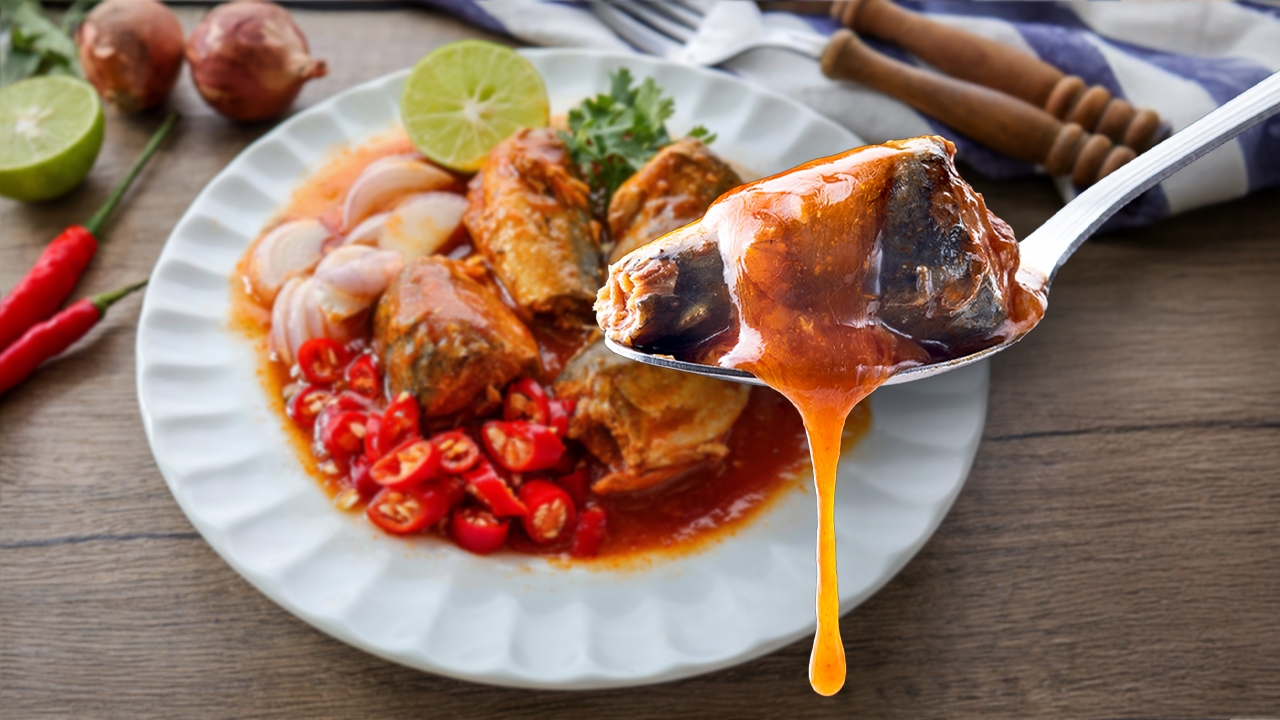
Canned fish: The reason why "sardines" and "mackerel" have become the eternal stars in the canned fish industry is no accident, but rather a perfect mix of economics, food science, and a taste profile familiar to consumers.
An in-depth look at why these two fish species dominate the market while others are less popular.
The main reasons why producers worldwide choose these two groups of fish are as follows.
Appropriate fat content (Oily Fish): Both are high-fat fish. When subjected to high heat during sterilization, the fish flesh does not become tough or dry but remains tender and juicy.
Bone structure: Both fish have small and uniform bones. When exposed to high heat and pressure inside the can, the bones soften enough to be fully edible, increasing calcium intake and convenience for consumers.
Perfect size: The size of the sardines and mackerel species used for canning usually matches the standard can dimensions perfectly, allowing for neat packing and efficient use of space.
Natural abundance: Historically, these two fish species have been abundant in the oceans, resulting in lower raw material costs compared to large predatory fish.

In fact, other fish species are also canned, but often in niche markets or with certain limitations.
Tuna is the number one competitor, but it is usually categorized separately due to its chunk-like flesh and higher price.
Salmon: Also available canned, mostly in North America, but it is pricier and tends to have a softer texture compared to fresh.
Anchovy: Typically salted and fermented rather than canned in tomato sauce, with a strong salty taste, used more as a condiment than a main dish.
Nile tilapia or freshwater fish: Experimental canning has been done, but drawbacks include a "muddy" smell and more complex, tougher bone structures than marine fish, making it harder to soften bones during processing.

Reasons why fish such as snapper, grouper, or other white-fleshed fish are not canned in tomato sauce include the following:
Fish flesh cannot withstand heat: White fish have low fat content; when exposed to high heat in retort processing, their flesh breaks into small pieces and loses shape, making it unappetizing.
Market value: Some fish have much higher prices when sold fresh, so canning them reduces their value.
Consumer familiarity: The rich tomato sauce is designed to mask fishy odors and enhance the flavor of high-fat fish most effectively.