

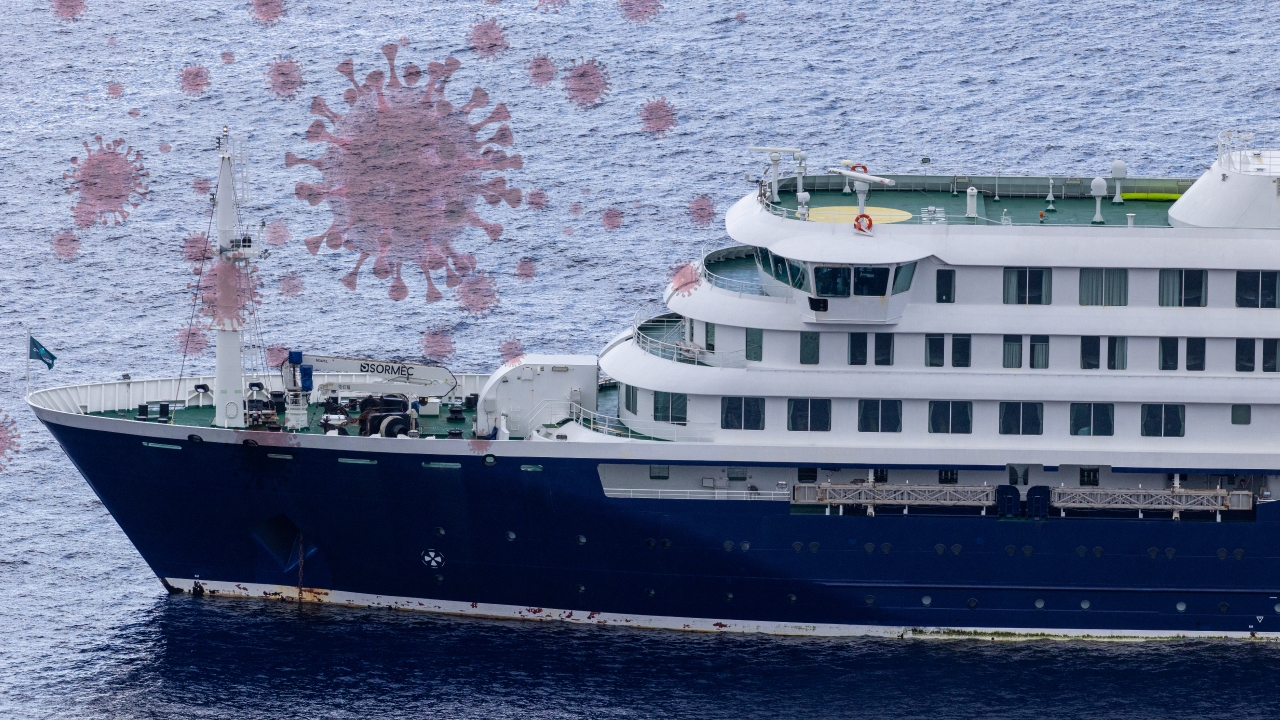
Nine critical points about the hantavirus outbreak on a cruise ship in the middle of the Atlantic Ocean. It is suspected to be the Andes virus strain found in South America, which may spread from person to person. The initial cases involved a Dutch married couple who died and had a history of traveling in South America before boarding the ship. Although Thailand has no outbreak, close monitoring is necessary.
Dr. Montien Kanasawat, Director-General of the Department of Disease Control, Ministry of Public Health, revealed the situation of hantavirus infection, a zoonotic disease primarily carried by rodents such as field mice and house mice. Currently, Thailand reports low infection rates with no widespread outbreak. However, the public should be well-informed about the disease and proper self-protection measures.

Hantavirus can infect humans through contact with rodent secretions, including urine, feces, and saliva. The most common infection route is inhaling dust contaminated with these secretions. Other routes include touching contaminated surfaces then touching the nose, mouth, or eyes. In rare cases, infection can occur from rodent bites, though this is uncommon.

Human-to-human transmission is very rare and limited to certain virus strains. After hantavirus enters the body, the incubation period lasts about 1 to 8 weeks. Early symptoms resemble the flu, including high fever, headache, muscle pain, and fatigue, along with gastrointestinal symptoms such as abdominal pain, nausea, and vomiting. The illness can progress to severe stages and may be fatal.
Hantavirus infection symptoms are divided into two groups: 1. Hantavirus Cardiopulmonary Syndrome (HCPS), found in the Americas, is severe with symptoms like coughing, difficulty breathing, pulmonary edema, and can rapidly lead to death. 2. Hemorrhagic Fever with Renal Syndrome (HFRS), found in Europe and Asia, involves low blood pressure, abnormal blood clotting causing easy bleeding, and kidney failure.

The disease severity depends on the virus strain. Particularly, the respiratory syndrome group can have a fatality rate of 20 to 40 percent. Patients experience coughing, breathing difficulties, pulmonary edema, shock, and death. Symptoms can deteriorate rapidly within hours if not treated promptly.
Currently, there are no specific antiviral drugs or vaccines for hantavirus. Treatment is supportive, such as oxygen therapy, mechanical ventilation, or dialysis for kidney failure. Prompt medical care upon symptom onset is crucial to reduce mortality. Thailand's risk is low, with only one reported case caused by a less severe strain than those in the Americas, and no local outbreaks.
Although hantavirus risk in Thailand remains low, awareness and proper self-protection can reduce infection chances and effectively safeguard the public.