

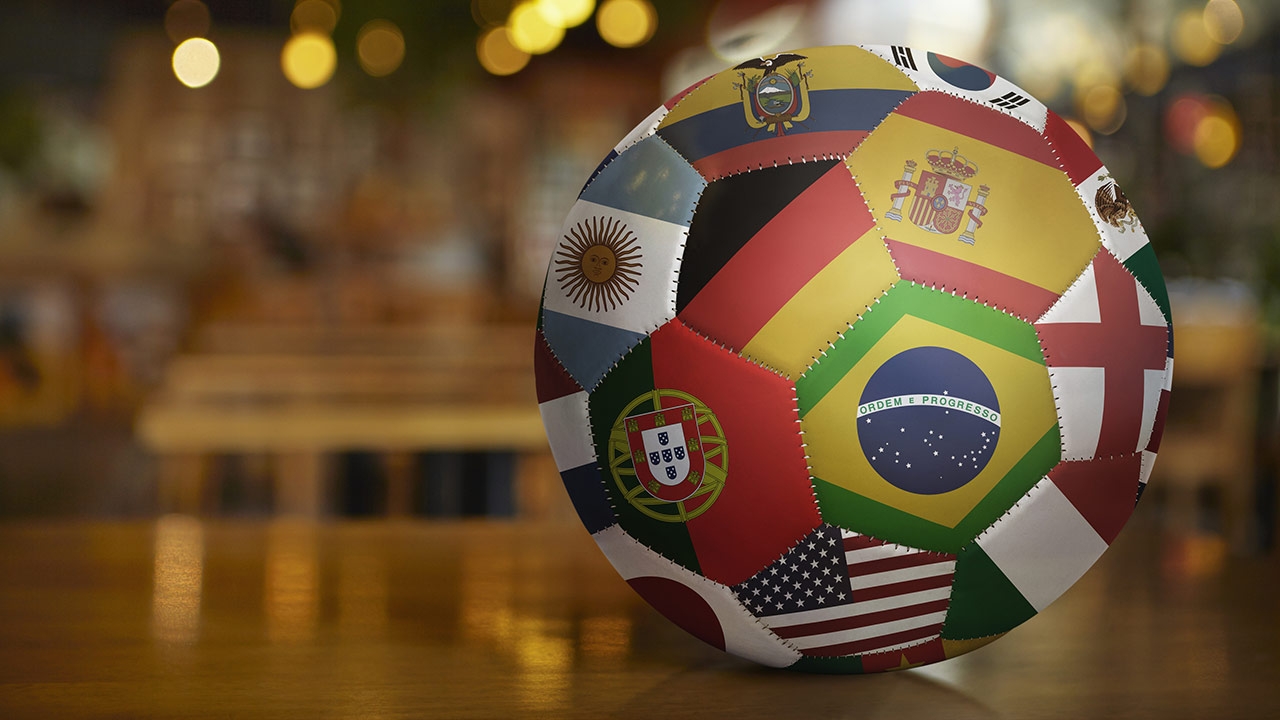
The Cabinet approved a budget of 1.3 billion baht for the National Broadcasting and Telecommunications Commission (NBTC) to purchase the broadcast rights for the 2026 FIFA World Cup, involving private sector partnerships to invest in advertising for the world's largest football event, which kicks off on 11 June 2026.
Let's understand why the value of the 2026 World Cup broadcast rights has surged to a record high.
The 2026 FIFA World Cup will be hosted by three countries: the United States, Canada, and Mexico.
The tournament will expand to 48 teams from the previous 32, resulting in a total of 104 matches—nearly double the number before.
The 2026 World Cup will take place from 11 June to 19 July 2026.
With more matches, FIFA has raised the ceiling on broadcast rights fees accordingly.
Situation in Thailand: The Prime Minister’s promises versus reality.
The Cabinet approved a 1.3 billion baht budget for the NBTC to buy the 2026 World Cup broadcast rights, but private sector cooperation in advertising investment is required.
Although Prime Minister Anutin Charnvirakul firmly assured that the World Cup must be accessible to all, saying "Every government ensures Thai people can watch the World Cup, and my government would be no exception," practical obstacles remain significant.
The enormous budget is expected to reach between 1.6 and 2 billion baht for the broadcast rights.

Many question whether purchasing the rights at the last moment would reduce the price.
The "more expensive" view is that if FIFA believes Thailand has no alternative but to buy to maintain public support and social momentum, they may refuse any discount, knowing the government "must pay" regardless of price.
The "cheaper" view suggests that if only a few days remain and no other buyers exist, agents might lower prices to recover some funds instead of none, although prices would still remain high.
Despite current uncertainties about budget figures and the primary hosts, based on "past practice" and "social pressure," it is expected the government will use the same model: raising funds from state enterprises and major private companies to finalize the deal before kickoff.
CONCACAF Zone: Mexico, United States, Canada (3 co-hosts), Panama, Haiti, Curaçao (first time).
South America Zone: Argentina (defending champion), Brazil, Colombia, Ecuador, Paraguay, Uruguay.
Oceania Zone: New Zealand.
Asia Zone: Japan, Iran, South Korea, Uzbekistan (first time), Jordan (first time), Australia, Qatar, Saudi Arabia, Iraq.
Africa Zone: Morocco, Tunisia, Egypt, Algeria, Ghana, Cape Verde (first time), South Africa, Ivory Coast, Senegal, DR Congo.
Europe Zone: England, France, Croatia, Portugal, Norway, Germany, Netherlands, Belgium, Austria, Switzerland, Spain, Scotland, Turkey, Sweden, Czech Republic, Bosnia.

Groups. | Teams in each group. |
Group A. | Mexico, South Africa, South Korea, Czech Republic. |
Group B. | Canada, Bosnia, Qatar, Switzerland. |
Group C. | Brazil, Morocco, Haiti, Scotland. |
Group D. | United States, Paraguay, Australia, Turkey. |
Group E. | Germany, Curaçao, Ivory Coast, Ecuador. |
Group F. | Netherlands, Japan, Sweden, Tunisia. |
Group G. | Belgium, Egypt, Iran, New Zealand. |
Group H. | Spain, Cape Verde Islands, Uruguay, Saudi Arabia. |
Group I. | France, Senegal, Iraq, Norway. |
Group J. | Argentina (defending champion), Algeria, Austria, Jordan. |
Group K. | Portugal, DR Congo, Uzbekistan, Colombia. |
Group L. | England, Croatia, Ghana, Panama. |