

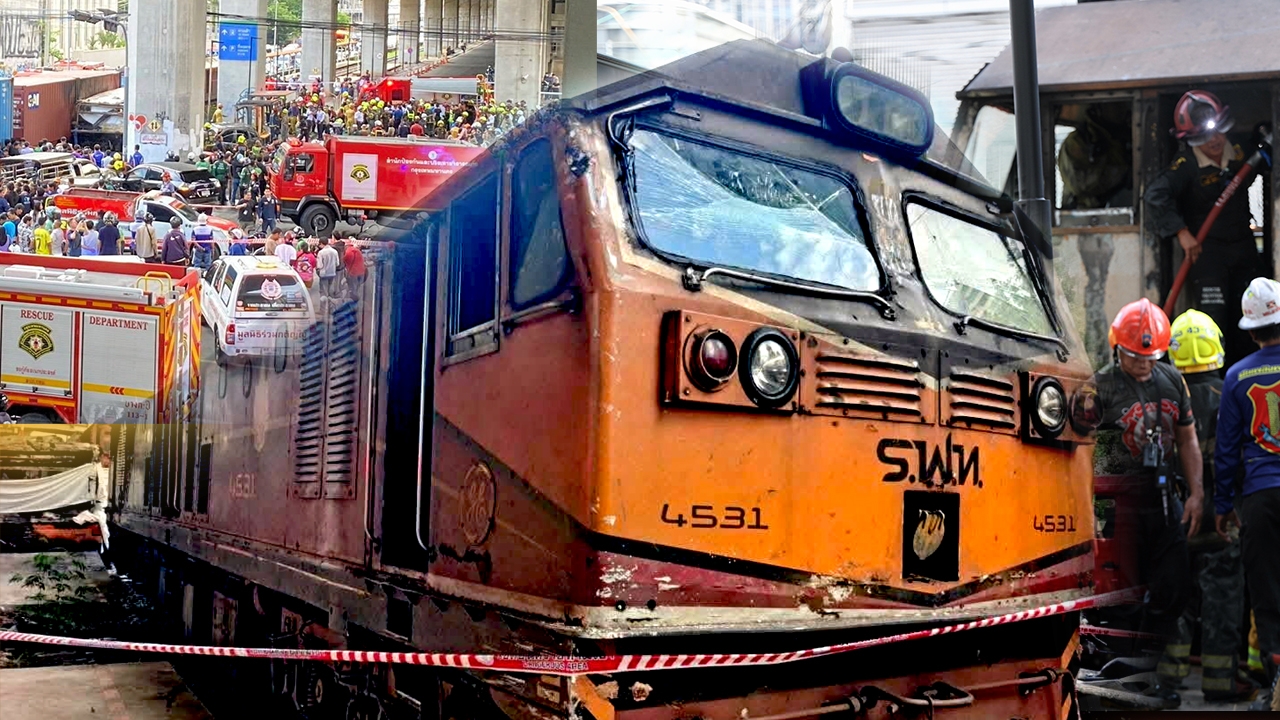
Insights from former railway drivers and union leaders on the tragic mid-city train-bus collision that resulted in 8 deaths. They point to deep systemic flaws including insufficient workforce and weak law enforcement.
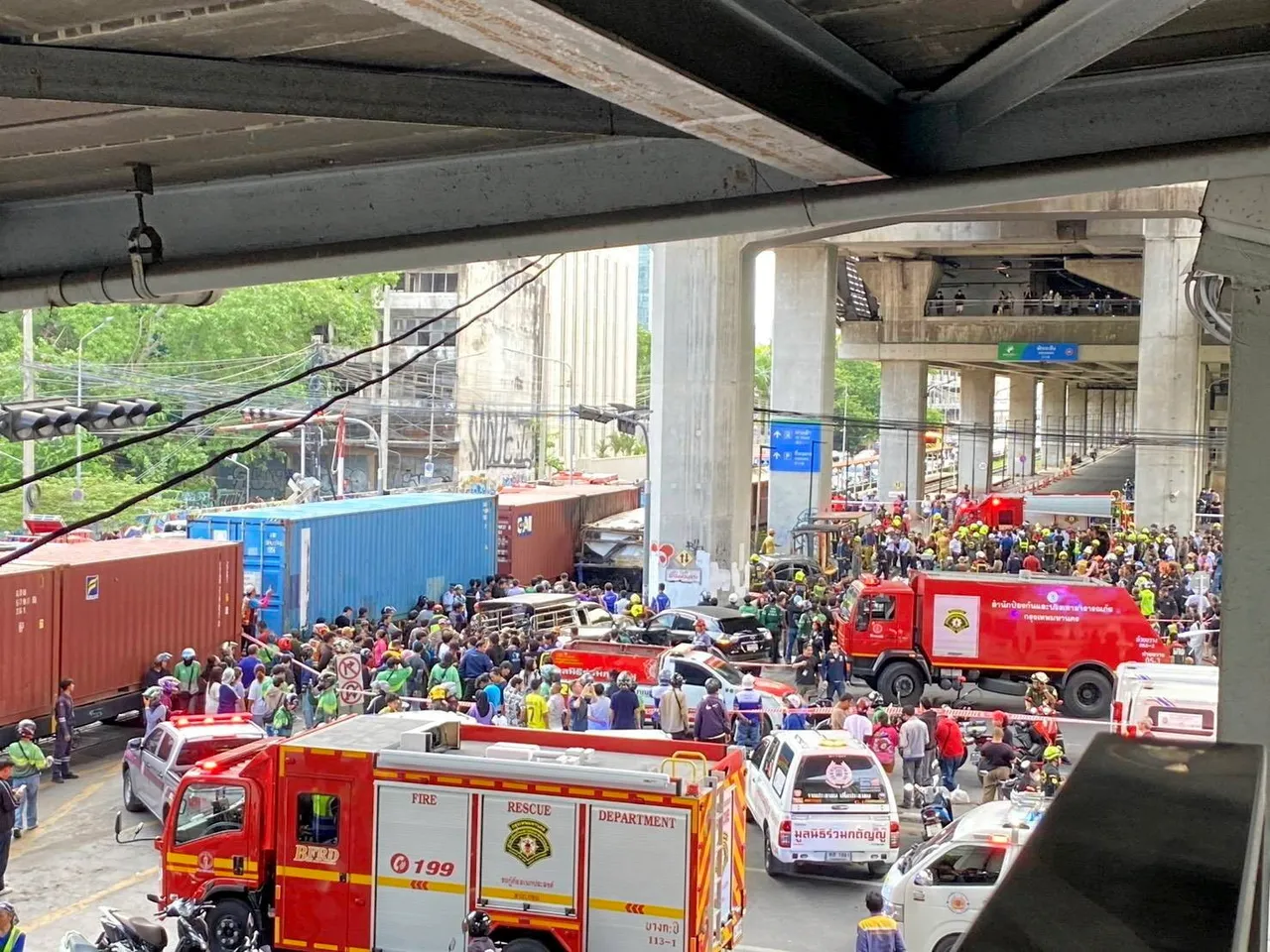
Following the tragic accident on 16 May 2025, where a train collided with a public bus at the Asoke-Phetchaburi intersection, 8 people were killed and 32 injured.
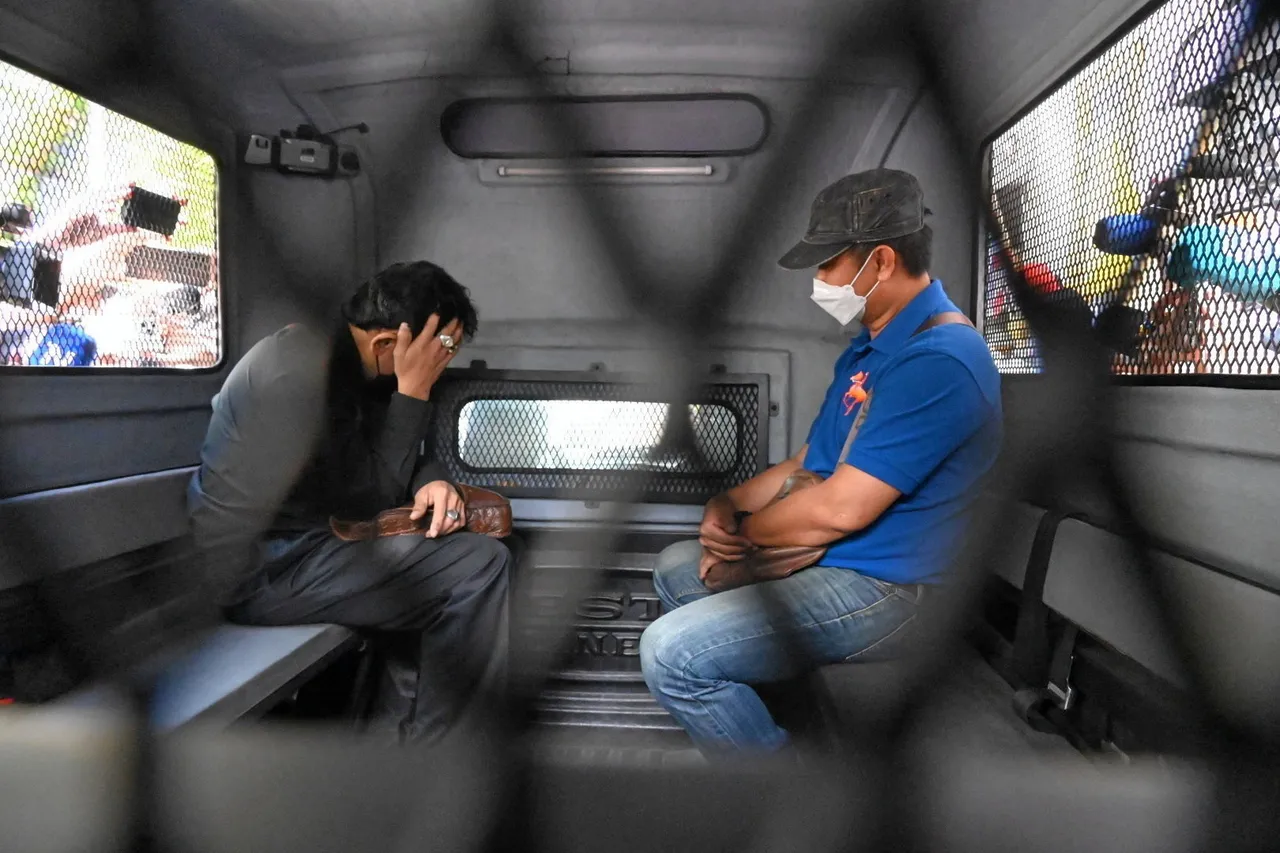
Recently, investigators from Makkasan Police Station charged the freight train driver and the crossing guard with negligence causing death and serious injury. Both were taken into custody pending initial detention.
The investigation found that the crossing guard failed to block the road to signal the approaching train, so the driver did not see any stop signal. Additionally, drug substances were detected in the train driver's urine.
Thairath Special News Team We discussed the issue with Sarawut Saranyawong, Chairman of the State Railway Labor Union, and Somsak Kosaisuk, former train driver and advisor to the State Railway Labor Union of Thailand, regarding the widely debated incident.
Somsak explained that under normal operating principles, a train should brake about 200 meters in advance to stop safely. However, CCTV footage shows the driver applied the brake too late—only about 100 meters before the collision—leading to the accident.
Furthermore, the accident site environment is a road classified as a "level crossing." By standard regulations, vehicles should not stop on the railway tracks because if a train encounters an obstruction, accidents like this may occur.
. "If the problem had been addressed from the start, the routes wouldn't intersect. The train could have been elevated or lowered to avoid collisions entirely. But once an accident occurs, blame is sought. The train collision is certainly a fault, but why the train couldn't stop must be examined. If motorists obey traffic laws and stop at railway crossings—similar to not parking on pedestrian crossings regardless of traffic jams—accidents can be prevented."
Regarding the "warning signals," Somsak said that if flashing lights are on, it indicates the barriers are fully down and vehicles must stop. However, at this location, if a vehicle blocks the tracks, the barriers cannot close and the flashing lights will not activate. According to railway regulations, trains may proceed but must exercise caution.
Staffing levels for train drivers are another public concern. Somsak said the full quota is about 951 drivers, but currently there are 300 to 400 fewer, forcing some to work double shifts with inadequate rest, leading to fatigue.
"If drivers refuse to work beyond limits or skip workdays, 40 to 50 train services may be suspended daily, including in provinces."
At the accident site, two staff are normally stationed at the crossing—one flagman and one road supervisor. On the day of the accident, only one staff member was present, covering both roles.
Sarawut noted that the incident occurred at a busy urban crossing in Bangkok, where lowering barriers requires time and coordination. Only one staff member was on duty at the site, responsible for lowering the barriers and signaling the road. Traffic congestion complicates this process, and police traffic officers have occasionally assisted to ease operations.
At the same time, road users may not respecttraffic laws,often stopping on railway tracks or ignoring signals, making the crossing guard's job more difficult.

Regarding reports that the train driver involved lacked a license from the Department of Rail Transport, Somsak explained that previously train drivers did not require a license but had to be certified by their own institution. Applicants typically had 7 to 10 years experience as mechanical technicians with required expertise to qualify.
Currently, the Department of Rail Transport introduced a new law requiring train drivers to hold licenses, effective from 27 March 2026. The transitional clause 156 protects existing drivers' rights to continue working temporarily during the licensing shift to avoid service disruption. So far, only 208 out of 951 drivers have obtained licenses. If others do not obtain them, train services may halt due to insufficient drivers.
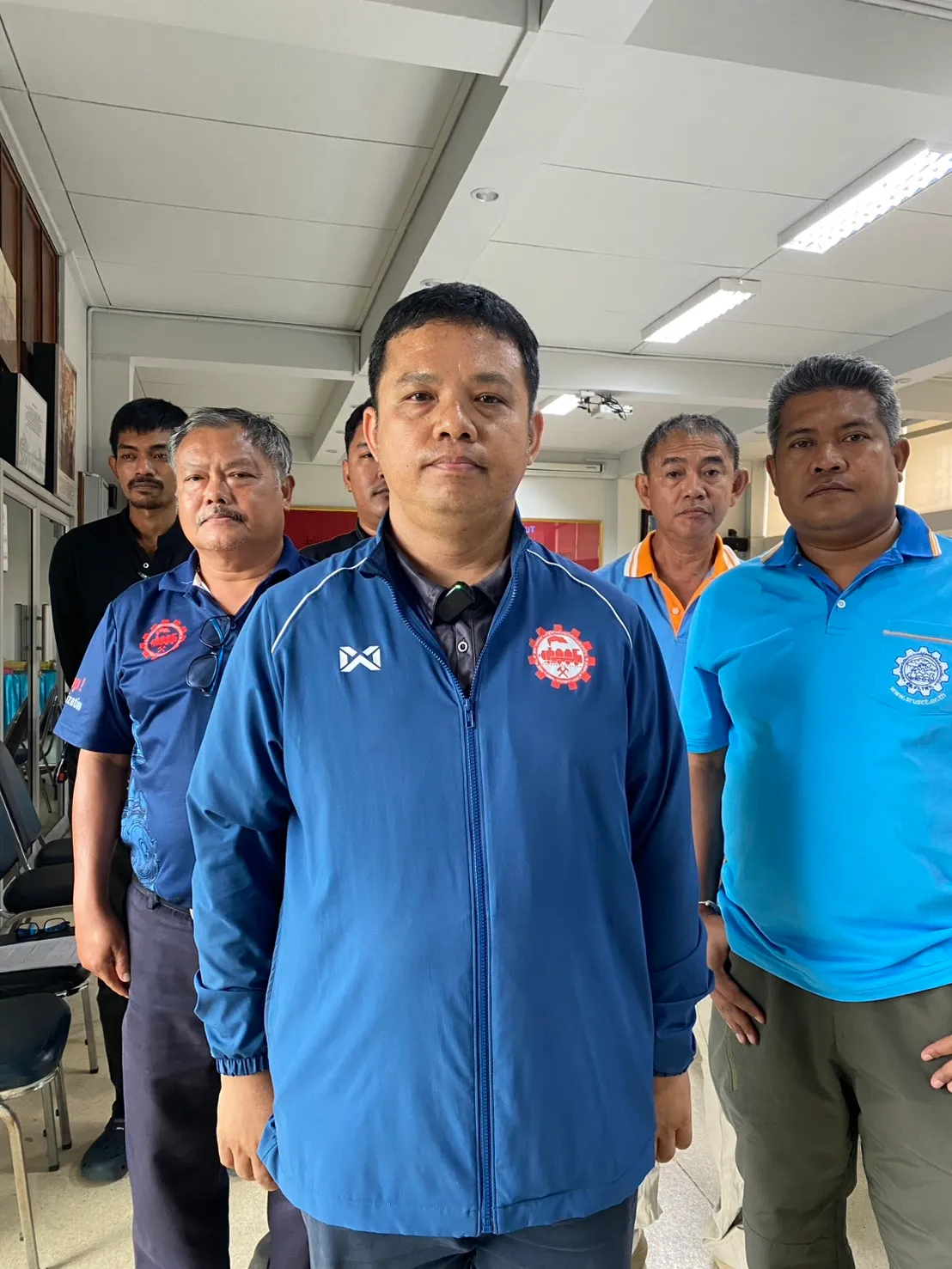
On the drug issue, Sarawut stated that the State Railway Labor Union is taking it seriously. While it may be an individual misconduct, they will review driver screening and random drug testing procedures. The incident violates railway regulations and will result in disciplinary action.
"This may be the behavior of a few individuals. As a former driver, I affirm that the vast majority of staff meet the physical and qualification standards required by the railway."
Sarawut said the union is closely monitoring the case with a fair process for both sides, aiming not just to assign blame but to identify root causes and prevention measures. They have interviewed 3 to 4 relevant persons to gather facts and will present findings to the State Railway or Ministry of Transport for concrete solutions.
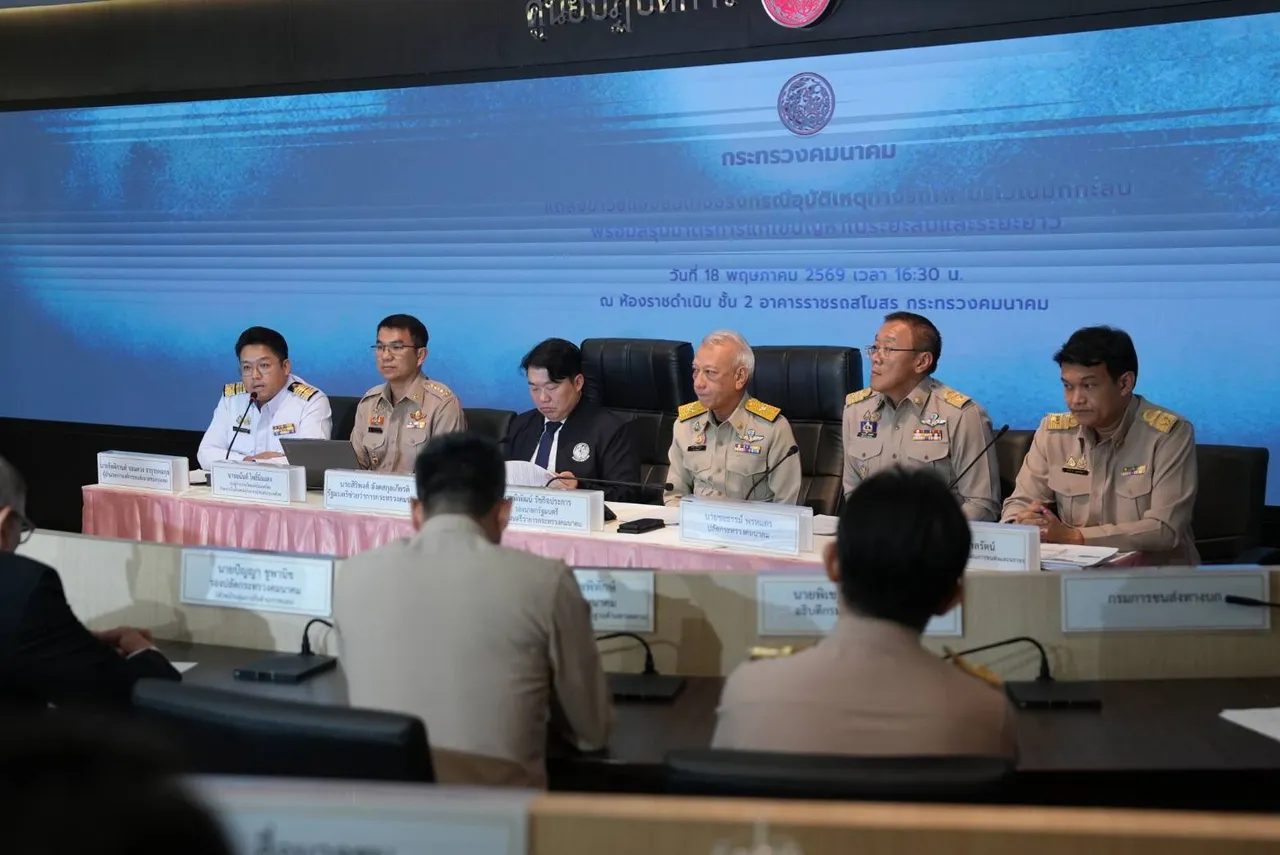
Deputy Prime Minister and Minister of Transport Pipat Ratchakitprakarn has ordered all agencies to expedite cause investigations, extract lessons, and implement preventive measures to avoid repeat incidents. Emphasis is placed on raising rail safety standards, managing railway crossings, and improving inter-agency cooperation.
Somsak urged the public not to fear traveling by Thai trains, stating he is confident over 99% of services remain safe and economical. He appealed to the government to approve increased staffing to meet operational demands.
In conclusion, reflecting carefully, the root cause is not attributable to any one person or party alone but stems from overlapping management and systemic issues that require collective efforts to resolve and prevent in the future.