

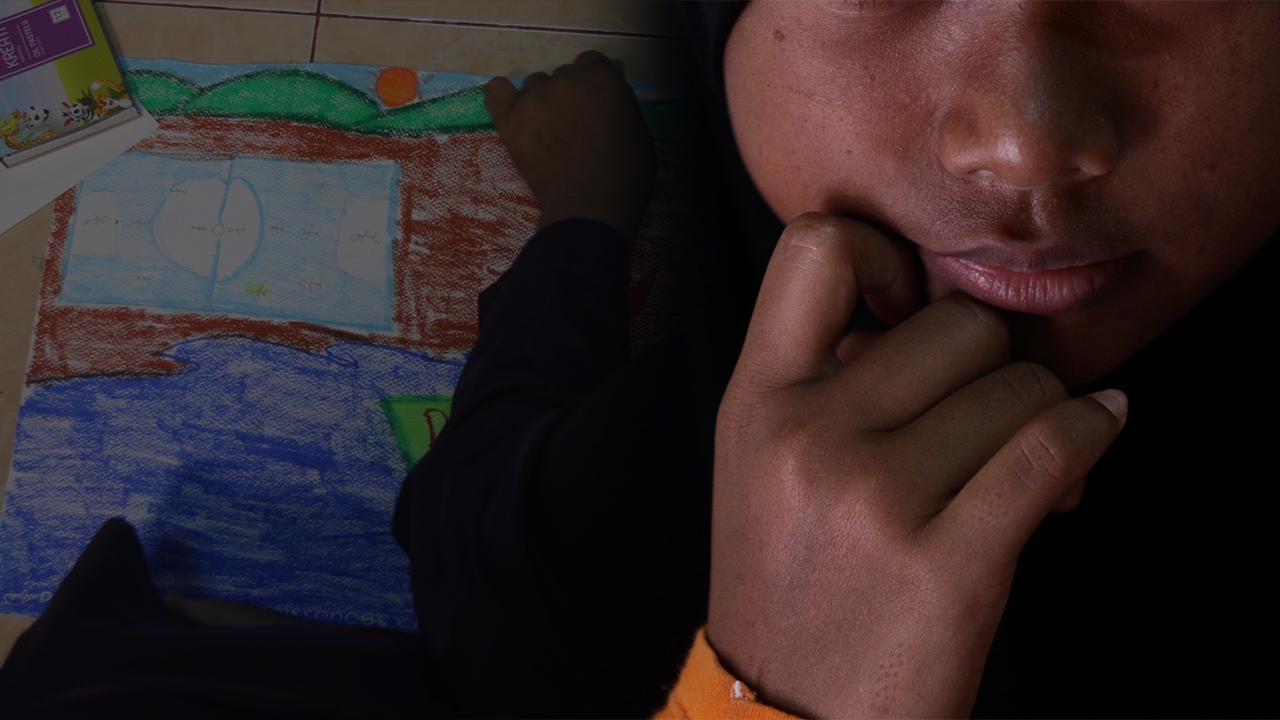
Over 22 years of conflict suppression in the South, violence statistics highlight that "peace" negotiations remain necessary. Academics note that throughout the past 22 years, there have been more than 23,000 incidents, with over 21,800 people killed or injured.
The unrest in the three southern border provinces continued throughout 2026, marked by ongoing violent acts. A major incident early in the year involved attackers bombing and torching 11 gas stations across the three provinces, demonstrating that instability has never truly ceased.

Dr. Srisompob Jitpiromsri, director of the Southern Situation Monitoring Center and a research professor at the Southern Conflict and Cultural Diversity Research Institute, Prince of Songkla University, told the Thairath Online special news team that the violence in the three southern border provinces has persisted for about 21 to 22 years. The unrest began in 2004, with violence taking many forms—armed shootings, bombings, arson, and spray-painting—all aimed at opposing the government at that time.
Data from the Southern Situation Monitoring Center, focusing specifically on unrest-related incidents, shows that over the past 22 years there have been about 23,000 such events, excluding general criminal and drug cases. From January 2004 to March 2026, approximately 7,800 people have died and 14,000 have been injured.

Statistics on unrest in the southern border provinces from 2004 to 2026 reveal that incidents did not spike immediately but fluctuated over time. Before 2004, there were about 40 to 50 incidents annually, but from 2004 to 2007, unrest rose to nearly 2,000 incidents in the first year, then gradually declined after 2008. The numbers rose again in 2012 and fell in 2013, indicating that the number of unrest incidents has never been stable or predictable.

The variation in unrest numbers relates to government measures. In the first four years, with high incident rates, the government implemented special laws to control the situation. Initially, martial law was declared across the area, including parts of Songkhla province, in 2005. As violence escalated, the Emergency Decree on Public Administration in Emergency Situations of 2005 was enacted, granting authorities special powers. Both laws continue to be applied today.
In 2008, the government mobilized troops from the 1st, 2nd, and 3rd Army Regions along with local forces, police, rangers, and volunteers beyond the 4th Army Region, as the 4th Army alone could not manage the situation. Altogether, 60,000 personnel were deployed, which contributed to a reduction in incidents.
Though strict enforcement and arrests were undertaken, the situation was not fully controlled. Incident numbers rose again in 2012 but decreased gradually in 2013.
Beginning in 2013, the then-prime minister recognized that the main perpetrators were the BRN (Barisan Revolusi Nasional) movement, which had been accumulating strength and recruiting. The government realized that solely responding with force was ineffective, leading to a shift toward political solutions with military support—initiating peace processes through dialogue.

Peace talks began in 2013 with Malaysia as facilitator. Multiple levels of dialogue opened, allowing civil society and local communities to play roles in advocating for peace and joint problem-solving. Following this peace-oriented policy, unrest gradually declined.
From 2014 to 2017, during the NCPO government, peace policy discussions continued. While no formal agreements were reached, talks sought solutions, resulting in a stepwise reduction in violence and incidents. Between 2019 and 2020, incidents declined further partly due to COVID-19 restrictions such as lockdowns and travel bans, which indirectly reduced unrest.
After the COVID-19 pandemic phase, violence persisted despite ongoing talks. Incident rates rose during 2024–2025, prompting the government to reconsider its peace policy, concluding that dialogue was ineffective. Consequently, peace talks were suspended. Typically, the government appoints a peace negotiation chief and team, who meet with insurgent groups to seek solutions, with the National Security Council acting as the secretariat for talks.

Over 22 years, unrest in the three southern border provinces has involved more than 23,000 incidents, causing over 21,800 casualties. The violence graph has fluctuated according to each government's legal and policy approaches. While peace talks and the COVID-19 pandemic temporarily reduced violence, the surge in incidents from 2024 to 2026 alongside the halt of peace talks underscores that the southern unrest remains an unresolved security issue.