

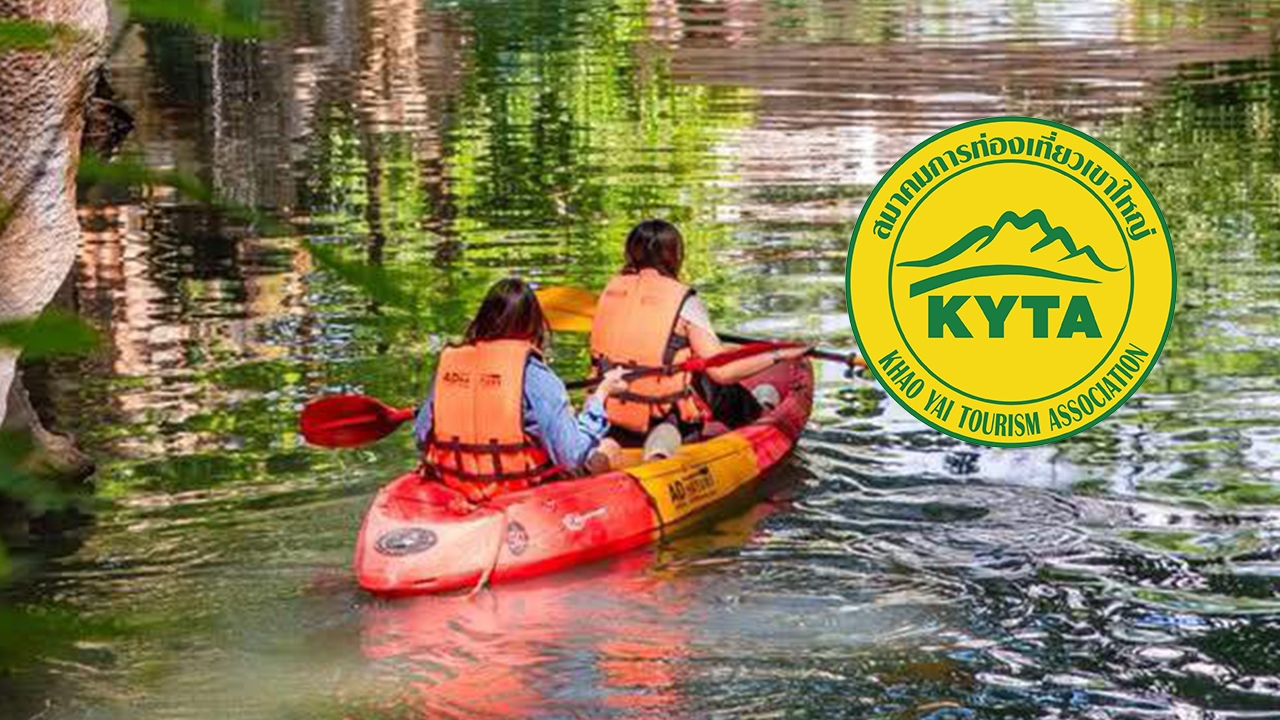
The Khao Yai Conservation Network opposes the natural spring improvement project, fearing it will damage the environment and affect tourism.
A survey and design have been conducted for a development project in Mu Si Subdistrict, which includes construction and improvement of the natural spring at Ban Tha Chang Nuea, Mu Si Subdistrict, Pak Chong District, Nakhon Ratchasima Province. Currently, the Nakhon Ratchasima Provincial Public Works and Town Planning Office has contracted a construction company for a 660-day period.

The network is concerned because the construction design does not consider the environmental impact on the natural spring area at Ban Tha Chang, especially the spring source, which is critical to the ecosystem supporting the water monitor lizard, a protected wildlife species under the Conservation and Protection Act.
Thairath Online’s special news team spoke with Ms. Panchana Wattanasetthien, President of the Khao Yai Tourism Association and Vice President of the Nakhon Ratchasima Tourism Industry Council. She said the opposition to the natural spring improvement project in Khao Yai is not new. However, when there was a community meeting last December, they were not informed. That meeting was not about explaining the construction but was more like a village meeting.
The natural spring improvement project plans were not shown to the local residents beforehand. The plans were only seen shortly before construction began, and they appear to involve extensive use of concrete. It is unclear if studies have been conducted on the ecological impact or how many trees will need to be cut down.
Moreover, the spring will have to be closed for nearly two years. Has the project considered the economic and social consequences? This concern has led to a letter of protest and a petition to oppose the project.

We emphasize that our opposition is not without reason; we simply call for a review. We are not against improvement altogether—we want development. The natural spring is an important economic resource. It should be noted that Khao Yai attracts a large number of tourists yearly, and this spring is a significant tourist site outside the national park with many visitors.
During the improvement, we do not know whether the amount of concrete used in construction will harm the environment. Without good management processes, concrete runoff could block the spring source, which would damage the ecosystem.
Currently, about 500 people have signed the petition, including concerned local residents and those who benefit economically from the area. Even from the tourism association’s perspective, operators are worried.
Therefore, we call on the relevant authorities to reconsider the project and engage in dialogue with the local community first.
