

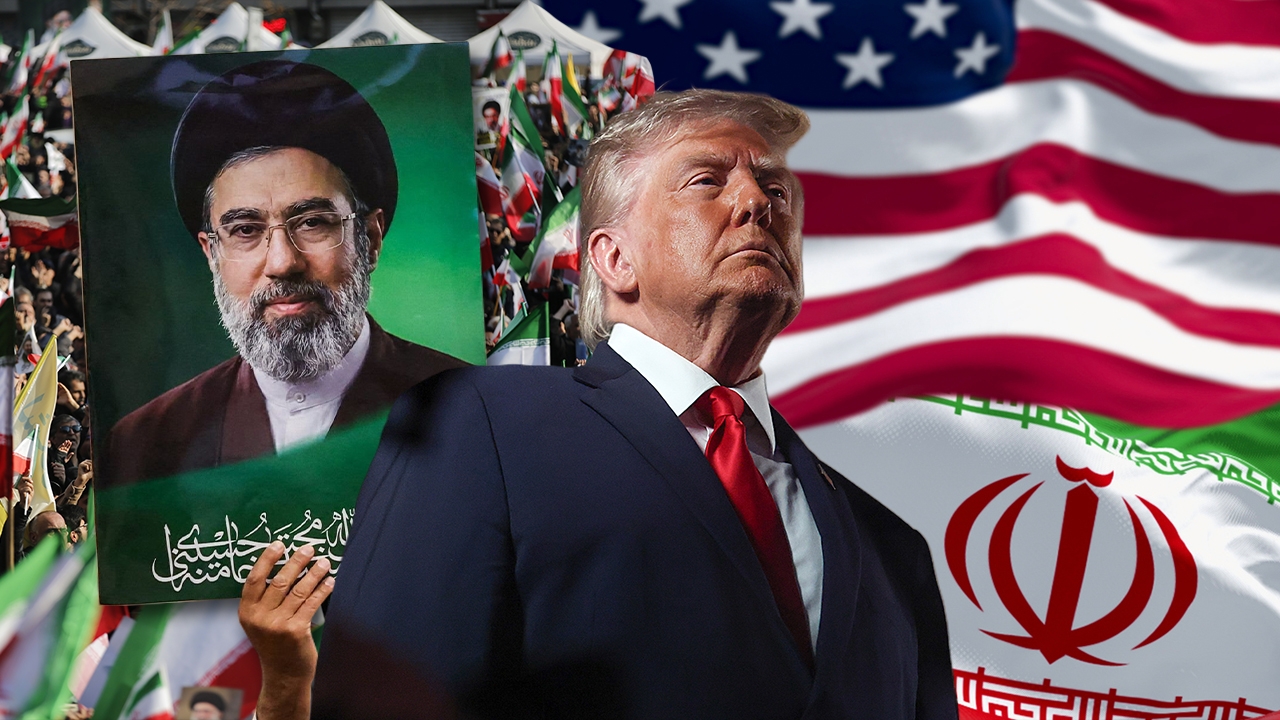
Decoding the peace deal, scholars see Iran holding the upper hand—resilient and unrestricted by time—forcing Trump to concede by easing sanctions and asset freezes to finalize the deal. Attention focuses on Israel's moves to disrupt the negotiations.
The United States and Iran have reached a peace agreement after a conflict since 28 Feb 2023, involving military attacks, destruction of energy infrastructure, sanctions, and a blockade of the Strait of Hormuz, a crucial global oil chokepoint, impacting energy security worldwide. The official signing is set for Friday, 19 Jun 2023 in Geneva, Switzerland, followed by 60 days of further talks to finalize Iran's nuclear program agreement.
Iran's Supreme National Security Council announced that the agreement with the U.S. includes an immediate and permanent ceasefire across all fronts, including Lebanon, and that the U.S. will lift its maritime blockade against Iran. Meanwhile,
Mehr News Agency, a semi-official Iranian government outlet, reported that the draft agreement contains 14 key points, including an immediate and permanent ceasefire on all fronts including Lebanon; the U.S. pledging non-interference in Iran's internal affairs; troop withdrawals; lifting the maritime blockade within 30 days, after which Iran will reopen the Strait of Hormuz; the U.S. will not increase troop presence or impose new sanctions during negotiations. Additionally, the U.S. will ease oil sanctions on Iran, release $24 billion in frozen Iranian assets, and offer a $300 billion reconstruction aid package, while Iran must commit not to produce nuclear weapons. However, Iran's missile development and support for regional armed groups will not be addressed in the talks.

This reported agreement has drawn criticism that Iran benefits more, while the U.S. and Israel are the
"losers" unable to achieve their desired outcomes or receive valuable concessions. Thairath Online's special team discussed this with Dr. Sarawut Areey from the Institute of Asian Studies, Chulalongkorn University. "Iran holds the upper hand in the agreement,"
Iran nuclear deal, the JCPOA (Joint Comprehensive Plan of Action), in 2018, his aim was to see Iran abandon its nuclear, missile, and regional armed group support programs. However, the details of the latest 14-point agreement show that Iran may not have to cancel its nuclear development program, but may negotiate uranium enrichment during the 60-day talks.
Meanwhile, the missile program, a critical tool Iran uses against the U.S. and Israel in this conflict, is not mentioned in the deal, and Iran maintains support for armed groups like Hezbollah if Israel continues attacks in Lebanon.
There is also a benefit surpassing the JCPOA: the lifting of sanctions and release of frozen assets, a key goal Iran has long sought, as lifting sanctions would empower Iran economically, given its energy resources, rare earth minerals, and natural wealth, making Iran attractive for trade and investment. This clearly shows the U.S. and Israel failed to meet their war objectives, strengthening Iran's position and increasing its recognition among Arab countries and the international community.

"It is evident Iran holds the upper hand in this deal and will become a major player in the Middle East, as many regional countries increasingly accept Iran, while U.S. influence weakens, unable to control Iran or protect Gulf allies from attacks. Similarly, Israel failed to achieve goals such as regime change in Iran and elimination of missile and nuclear programs," he said. However, Dr. Sarawut views this war as one without a clear
"winner"
or
"loser," a transitional period that significantly shifts the Middle East power balance, increasing Iran's acceptance but also believing the U.S. and Israel will continue to defend their interests in the region. Why did Trump fully retreat? Dr. Sarawut explained, echoing many analysts, that despite the U.S.'s superior resources and military power compared to Iran, it faced a limited political timeframe.

Furthermore, the war demonstrated that the U.S. cannot decisively defeat Iran without deploying ground forces. Over the past 20 years, the U.S. sent ground troops to two Middle East wars—Afghanistan and Iraq—both unsuccessful, ending with costly withdrawals and heavy losses. Surveys show most Americans oppose war and foreign troop deployments, especially against Iran, due to lack of clear threat evidence and seeing the U.S. as the aggressor. Many view the war as driven by Israel's influence. "When the U.S. cannot win decisively, it must negotiate and make a deal, as Iran has the advantage of time and is defending itself. Iran has nothing to lose, while the U.S. faces time constraints and no clear path to victory. Combined with economic damage and falling popularity, this pressured Trump to close the deal, as evidenced by his mentioning it over 38-39 times before finally reaching agreement. This signals the U.S. desire to finalize a deal with Iran, regardless of its terms,"
he said.
However, Israel does not want the war to end until it can defeat or change Iran's regime, which currently limits Israel's regional influence and power plans. Israel continues attacking Lebanon to undermine peace talks, despite Trump signaling Israel to stop.
Though Israel has not stopped attacks yet, the U.S. is believed to be pressuring Israel to end operations before the 19 Jun 2023 signing to avoid isolation, as Israel still depends on U.S. missile defense, weaponry, and funding.

Will the war truly end?
Dr. Sarawut notes this agreement is still a
not permanent. Nuclear talks must continue, but he expects agreement to be achievable since the JCPOA framework exists. Iran has consistently stated it does not seek nuclear weapons, and the U.S. permits peaceful nuclear development, pending mutual trust and frank discussions. "Past talks were blocked by a third party, Israel, which is expected to remain an obstacle to future negotiations, so the issue will not end easily," he said.
Therefore, Israel's role is crucial, serving as an indicator whether future peace or conflict will prevail.
"This deal should have happened 1-2 months ago, but Israel disrupted the process. When Iran and the U.S. agreed, Israel bombed Lebanon. Now, we must watch Israel's actions following the agreement between the two sides."