

Analyzing the U.S. School Resource Officers (SROs) model for threat assessment and crime and shooting prevention: a former U.S. police officer believes Thailand has enough personnel to effectively adapt it.
On 7 Aug 2026, a Grade 9 student in Nonthaburi province opened fire on family members and others at school, resulting in nine deaths and over 27 injuries, shaking Thai society on multiple levels.
. . . "Schools" are places where children and youth spend most of their day and should be the safest environments physically and mentally. Yet such tragic incidents occur, and this is not Thailand’s first school shooting. How can Thailand implement measures to restore school safety and prevent such events from recurring?
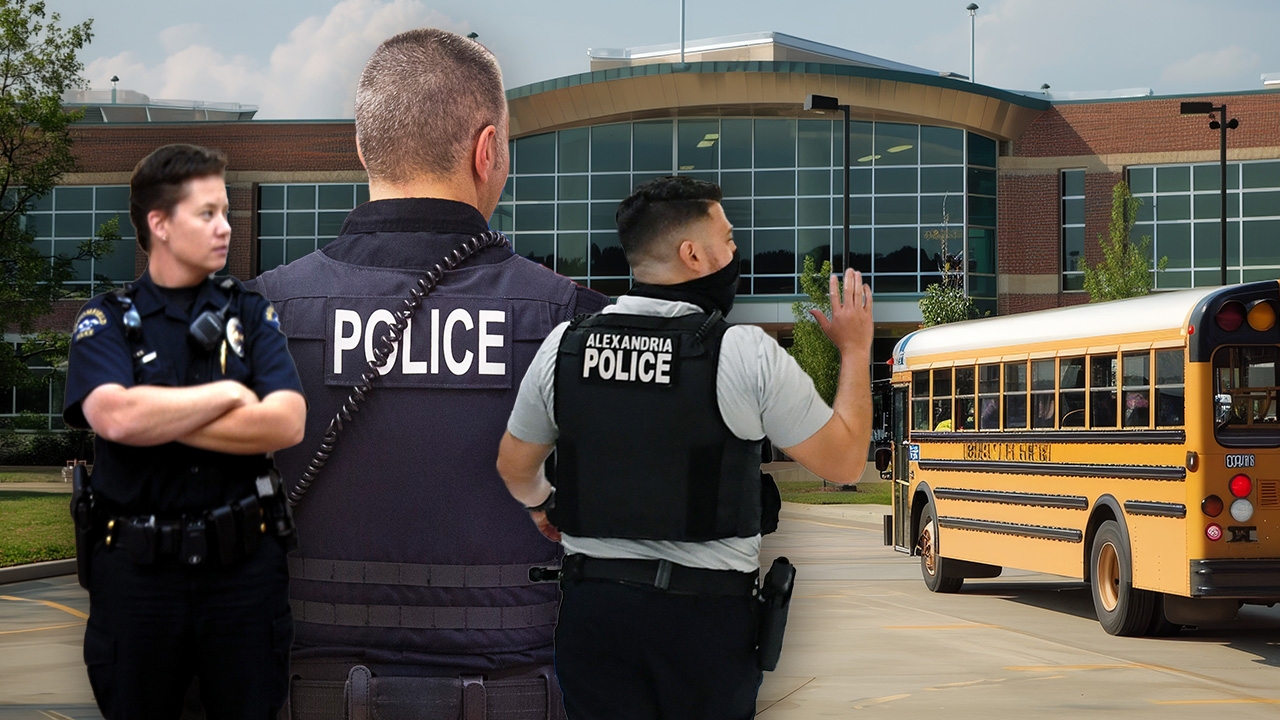
One idea raised is having "officers" with expertise in safety and emergency response stationed at every school. This model exists in several countries, including the U.S., which frequently experiences school shootings, known as SROs (School Resource Officers). Simply put, they are school-based police officers.

According to USAFacts, a U.S. organization compiling government statistics, SROs are law enforcement officers responsible for safety, threat assessment, and crime prevention in schools. They have authority to arrest, receive reports, and document incidents within their jurisdiction like regular police. They also serve as instructors, emergency managers, and school advisors.
The U.S. Department of Justice reported in 2020 that 23,426 SROs served nationwide. These officers are not hired by schools but are assigned by local police departments, sheriff's offices, and school district police.
Besides school security, SROs coordinate with communities to ensure youth well-being, provide crime prevention education, conduct emergency drills such as for shootings, raise drug awareness, and resolve conflicts.
. . .RAND,a U.S. public policy institute, reported in 2021 that research among middle school students showed SROs helped reduce "serious violent behavior" in early adolescents.
A 2023 study found SROs reduced non-firearm violence, such as fights and threats, by about 30%. However, because mass shootings remain rare, there is insufficient evidence to confirm SROs can fully prevent such events.

Suwit Yongwan, a former Virginia police officer with 28 years of service in the U.S., told Thairath Online special news team that the shooter in the Thepsirin Nonthaburi school incident was at a critical developmental stage called Child at Risk, a youth phase when mistakes can lead to delinquency and criminal behavior. Police departments have specialized Juvenile Divisions monitoring family conflicts and violence.
Next, schools have SROs assigned, with at least one officer per school. Communities strongly desire these positions, often making them political campaign issues. Candidates must be law enforcement officers who complete special training in child psychology and family problem-solving.
SROs’ duties include both "prevention" and "problem resolution." They access detailed student information, monitor and assess risks, participate in school activities, and handle juvenile offenses by contacting parents and collaborating with courts and juvenile detention centers.
"SROs have offices in schools, gathering information and intervening in student problems—whether family or school-related—through counseling or legal actions. Thailand currently lacks this system, which presents an opportunity if it chooses to implement it," he explained.
In a school shooting emergency, SROs act as "incident commanders," assessing situations, overseeing evacuations, coordinating with relevant agencies, and allocating police resources to resolve the incident quickly.

Suwit believes Thailand lacks a comprehensive school crime prevention system. Introducing SROs could be a promising approach. He is confident there are enough officers for the role and suggests incentives such as higher pay, duty allowances, or promotions. Starting with two female officers per school could provide gentler access to youth.
At minimum, Thailand should lay a foundation for school safety by training teachers and staff to understand students’ backgrounds and basic psychology.
"This is a major issue requiring a strong foundation. Thailand has enough police officers to carry out this work. Valuable data will be gathered to help today’s youth grow into responsible citizens, while at-risk children who go unnoticed could become criminals in the future," he concluded.