

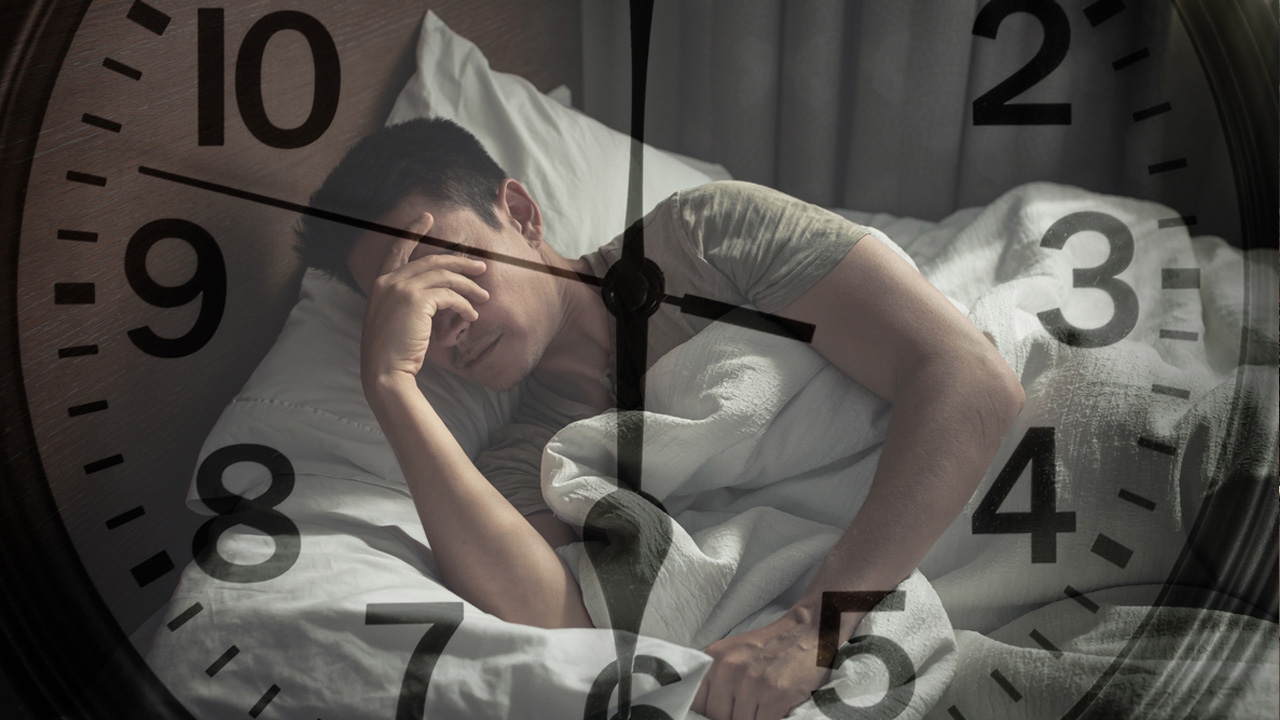
The silent danger of sleep deprivation—"accumulated sleep loss"—is a root cause of sudden unexplained collapses and deaths that catch people off guard. Why do seemingly healthy individuals who work hard or live normal lives suddenly die unexpectedly at night? Whether it is falling asleep and never waking up or fainting in the bathroom at night, these tragedies are often referred to as "Sudden Unexplained Nocturnal Death Syndrome" or "acute heart failure." However, one important factor often overlooked and accelerating this condition is chronic insufficient rest.
When the body consistently receives less than 6–8 hours of sleep per night, internal systems begin to malfunction severely, directly affecting the cardiovascular system.
Overwork of the autonomic nervous system: Lack of sleep continuously stimulates the sympathetic nervous system, causing the heart to beat faster and blood pressure to spike even during rest periods.
Severe arrhythmia: Sleep deprivation combined with increased stress leads to inflammatory substances in blood vessels, triggering acute irregular heartbeats, which are the main causes of fainting, loss of consciousness, or sudden cardiac arrest.
Coronary and cerebral artery blockage: High blood pressure from chronic sleep deprivation raises the risk of blood clots or brain hemorrhage, especially during the night to early morning when blood pressure fluctuates rapidly.

Many cases occur during sleep or when waking to use the bathroom at night because the autonomic nervous system switches abruptly from a relaxed to an active mode. Suddenly standing causes a rapid drop in blood pressure, reducing blood flow to the brain and heart. Coupled with a heart weakened by sleep deprivation, this can cause fainting, leading to acute heart failure or fatal head injuries from falls.
Frequent dizziness or vertigo, feeling the world spin when standing up.
Palpitations, irregular or rapid heartbeat without obvious cause.
Chronic fatigue, irritability, difficulty concentrating.
Chest tightness or shortness of breath during work or sleep.

Rest is not something to do "when there is time," but a "condition for survival." Aim to sleep 7–8 hours per night, avoid caffeine and smartphone screens before bed, and if getting up to use the bathroom at night, sit and stabilize your balance on the bed for 10–20 seconds before standing.
Do not let "busy work" or "I'll sleep later" become conditions that take your life away forever.