

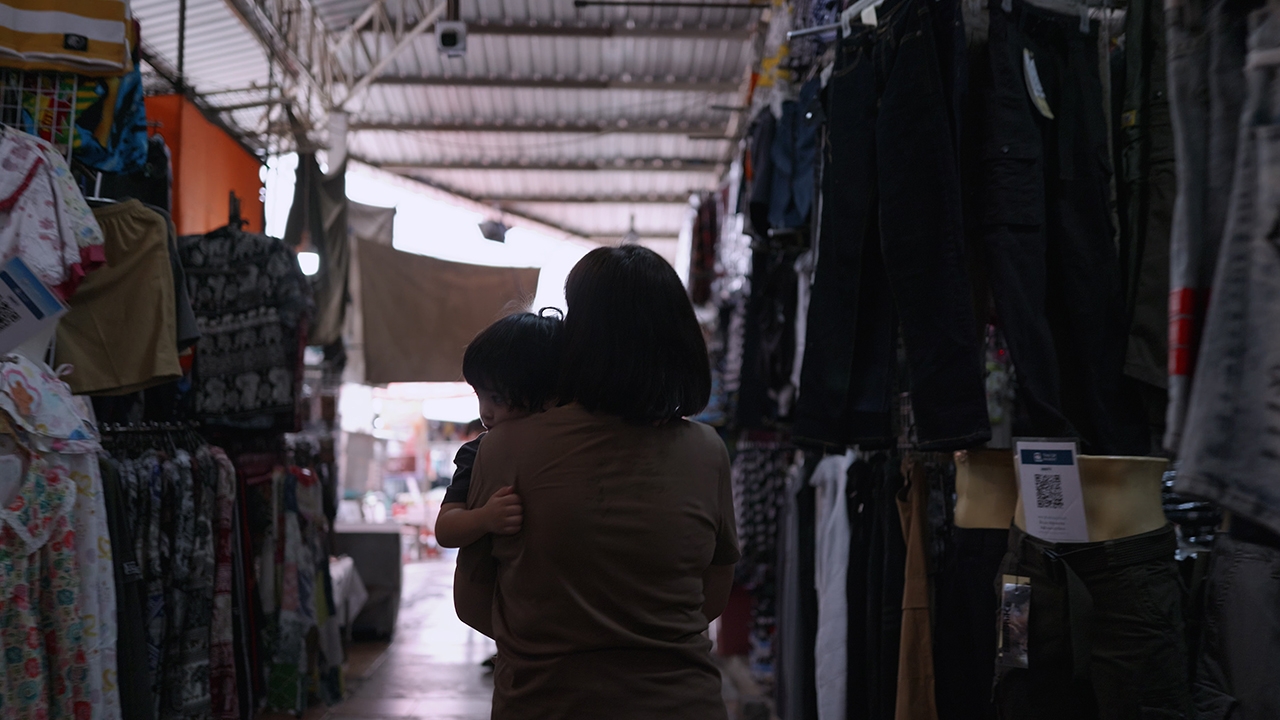
Floating markets, university districts, and souvenir shops were once prime locations, but market conditions have changed. Vendors who previously thrived there must adapt, but many who cannot are swallowed up along with new business models. In today’s economy, merchants must struggle to survive without the sure formulas that existed before.
The definition of "prime location" in Thailand’s retail world is being dismantled and rewritten. Many areas that used to be lucrative income sources—such as university districts, retro floating markets, or roadside souvenir shops—are now experiencing declines in customer revenue and store closures due to clashes between new consumer behavior patterns and traditional business models.

Areas near universities were once safe zones with steady purchasing power from year-round students, but many university-adjacent shopping areas now clearly show signs of decline.
Clear target groups with strong demand for niche products and services like quick meals, cafes, and printing shops.
Consistent foot traffic aligned with class schedules.
Hybrid learning and food delivery apps reduce students’ need to visit physical stores as frequently as before.
Seasonal factors cause severe sales drops during school breaks.
Regulations reorganizing sidewalks and vending areas reduce the street food atmosphere and raise rental costs in buildings beyond what small vendors can bear.

At one time, retro floating markets or traditional markets sprang up across all regions, but over time their popularity has declined so much that many have closed.
Distinctive identity and appeal attract tourists with nostalgic atmospheres, suitable for photography and weekend relaxation.
Local charm with unique traditional products and foods.
Lack of differentiation—most floating markets sell similar goods, have similar stores and decorations, leading tourists to feel "one visit is enough."
Dependence on private vehicles makes access difficult for those without cars and lacks deeper experiential tourism activities beyond eating and taking photos.
Maintenance costs for wooden retro structures or waterside areas are high when income declines.

Formerly strategic stops for tour buses and tourists, these souvenir shops along main routes have seen steadily falling revenues.
Strategic location on travel routes with large parking areas.
Trustworthiness as products often come from well-known traditional brands.
E-commerce and direct shipping mean consumers no longer need to carry souvenirs home—they can order via apps or have stores deliver directly.
Changes in driving behavior, new motorways, and faster travel reduce the number of stops.
Slow product adaptation—lack of updated packaging or innovation to appeal to younger consumers.
Summary and survival strategies
Formerly prime locations relied solely on "foot traffic," but today the deciding factor is "unique experiences that cannot be replicated online." Stores and location managers must evolve from being mere "sales points" to becoming "experience hubs" or integrate omni-channel strategies to sustain their businesses amid ongoing changes.