

Grassroots economy: More sellers, frugal buyers, and declining markets reflect "shrinking purchasing power." Sellers bear costs and struggle to pay rent; survival strategies are examined.
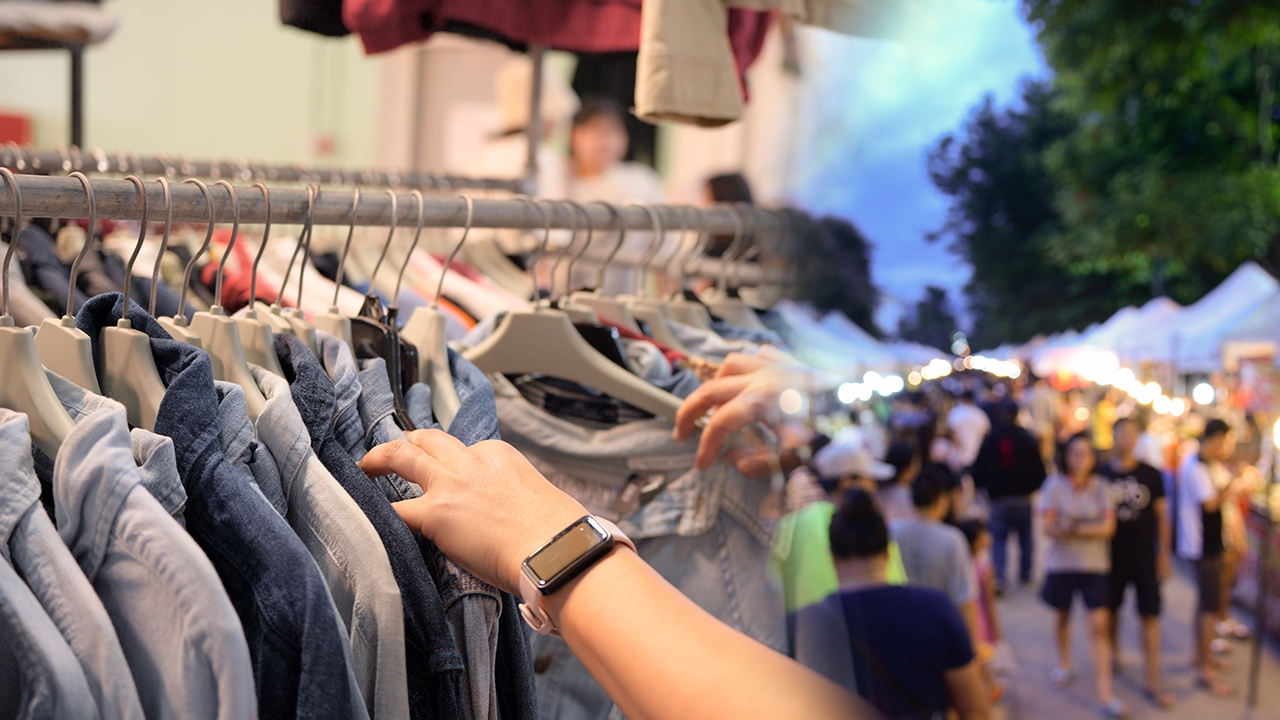
The current atmosphere at flea markets in Bangkok, its outskirts, and provinces increasingly shows a troubling phenomenon: the growing number of vendors occupying stalls contrasts sharply with noticeably fewer shoppers. Scenes of vendors sitting idly or scrolling on their phones signal a grassroots-level economic warning, reflecting that Thailand’s economy is facing a severe contraction in purchasing power and is trapped in a complex structural dilemma.

The quiet flea markets do not just hurt one side but trigger a chain reaction affecting both consumers and sellers at the grassroots level.
Voices from the buyers’ side reveal consumers face a "fixed income but rising expenses" situation. Regular costs like transportation, electricity, and debt repayments have altered their flea market habits completely—from leisurely browsing and buying snacks or small items at will, to carefully planning purchases of only necessities, meticulously calculating their budget before leaving home, deciding slowly, and buying just enough main meal food to avoid waste.
From the sellers’ perspective, vendors face a twofold battle: rising "stall rent and raw material costs" continue to increase steadily.
Meanwhile, sales have dropped by more than half. Many report that fresh and prepared foods stocked as before fail to sell, leading to accumulating losses. Some reluctantly abandon their stalls because daily income no longer covers travel and rent, reflecting severe cash flow shortages at the grassroots level.

Debt burden: Thailand’s household debt ratio remains high and stable, causing most people’s monthly income to go toward home loans, car payments, credit cards, or informal loan interest. This sharply reduces "cash flow" available for daily life.
Forced seller status: With reduced work hours, layoffs, or insufficient regular income to cover rising living costs, many are forced to turn to grassroots businesses—cooking for sale or setting up flea market stalls as side jobs. This rapidly increases the number of sellers, intensifying competition in existing spaces, while the buyer base shrinks.
Dual pressure from online platforms and imported goods: Consumer behavior has shifted to e-commerce and social commerce platforms. Everyday items, clothing, and knickknacks compete with imported products, especially cheap Chinese goods delivered quickly to doorsteps, putting traditional flea markets at a disadvantage in price and convenience.
Data from household debt statistics and consumer confidence indexes show grassroots customers’ liquidity is steadily declining, significantly reducing cash circulation in fresh markets and flea markets.
The quiet flea market condition is not just a seasonal or temporary issue but results from ongoing structural national problems across four key areas.
Chronic low GDP growth: Thailand’s economy has grown slowly on average over many years, lagging behind ASEAN neighbors. This results in limited money circulation reaching the grassroots level.
High inequality: Thailand’s economic recovery is K-shaped; large capital groups, exporters, and high-income earners maintain purchasing power, but middle and lower classes—the main flea market customers—experience income growth that does not keep pace with rising living costs.
Flood of imported goods: Low-priced premium and cheap goods flood Thailand through online channels and domestic warehouses, undercutting small producers and vendors who cannot compete with mass production costs.
An aging society: Thailand is now a fully aging society with a shrinking working-age population—the main purchasers—and increasing elderly, who tend to be cautious spenders, delay consumption, and prioritize savings more than younger generations.

In this crisis, waiting passively for customers to come to stalls is no longer enough. Small vendors must adopt proactive strategies to survive.
Adjust size and price for easier purchases: reduce unit prices by offering smaller packaging priced between 20–35 baht so customers can decide quickly and match their daily budgets.
Focus on value and essentials: shift product offerings to daily necessities—such as single-plate meals and cooking ingredients—emphasizing freshness, cleanliness, and value rather than trendy items.
Diversify sales channels: don’t rely solely on flea market stalls. Build local customer groups on Facebook Groups for communities, villages, or condos; add short-term free delivery services or accept pre-orders to gauge real demand and reduce overstock risks.
Manage cash and inventory strictly: use just-in-time ordering without hoarding stock, and keep daily cash flow flexible to minimize liquidity risk.
Today’s declining flea market phenomenon is not just a specific vendor issue but a large warning signal reflecting Thailand’s economic engine, requiring serious structural reforms from all sectors before grassroots purchasing power deteriorates further.