;
Thairath Online
Thairath Online

Four Types of Gatecrashing Behavior at Events: Common Festival Phenomenon or Sign of Mental Health Issues?

Interview20 Sep 2026 11:56 GMT+7

Share

Four Types of Gatecrashing Behavior at Events: Common Festival Phenomenon or Sign of Mental Health Issues?

Four types of "gatecrashing" behavior, a phenomenon that appears at every festival, have become familiar sights in Thai society. This involves showing up uninvited at merit-making ceremonies, weddings, funerals, ordinations, or community activities without personally knowing the host. Some sneak in to eat for free, others help out casually as if they were close relatives. This phenomenon is not just social media humor but reflects interesting motivations and psychological states.

Four types of "gatecrashers" — which type have you encountered?

When categorizing the behaviors of those who sneak into others' events, they can be divided into four main groups based on their characteristics and expressions.

The food-focused type who come for eating and freebies.

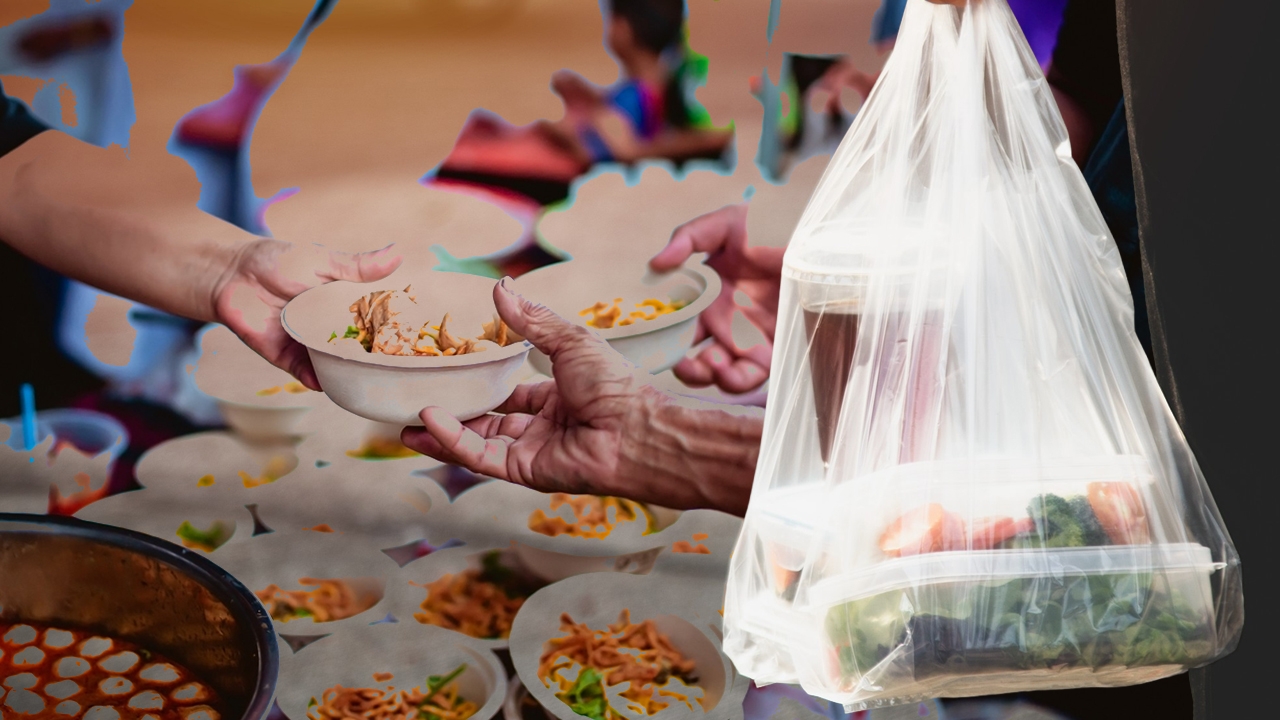
Their behavior targets the buffet or food distribution points. They dress inconspicuously, join tables with other guests, pretend to be friends of one side, or wait until the event ends to ask for takeaway bags.

The confident social climbers who build their identity and connections.

They come with full confidence, greet everyone, respectfully pay homage to elders, act familiar with the hosts to take photos together, then post them on social media to appear influential.


The volunteer type who seek friends and want to participate.

They show up to help carry items, set up chairs, wash dishes without being asked, making themselves useful to avoid being chased away. Usually, they are locals or nearby community members.

The disruptive and delusional type with mental health issues.

They create elaborate stories claiming to be distant relatives or invited by important people, talk to themselves, or clearly display signs of detachment from reality.

What are the "gains" from gatecrashing events?

  • Physical benefits include saving on food expenses, receiving gifts, or taking snacks home.
  • Social benefits come from taking photos with famous people or appearing at major events, which can elevate one's social status in the eyes of others.
  • Excitement and challenge: For some, sneaking into events undetected is a personal challenge that brings a small thrill.
  • Alleviating loneliness: Thai society is highly community-oriented; some feel unaccepted or lonely, so being in a lively atmosphere reduces feelings of isolation. Psychiatric perspectives: Are these behaviors signs of mental health problems?
  • In normal cases, the behavior results from opportunism, lack of consideration, or a self-serving personality (Opportunistic Behavior). They know right from wrong but choose to act out of selfishness.

Cases indicating mental health problems or illness.

  • Delusional disorder, where individuals firmly believe they know the host or think they are important people who must attend the event.
  • Psychotic disorders such as schizophrenia, marked by paranoia, auditory hallucinations, or disorganized thoughts.
  • Dementia, often seen in elderly people who wander into events because they cannot remember directions or locations.
  • Personality disorders, such as antisocial personality disorder, which disregards rules, or histrionic personality disorder, which seeks attention.

How to cope and find solutions.

Addressing gatecrashing issues requires considering perspectives of both hosts and society.


For hosts and event organizers.

  • Use Soft-Check methods by having staff or relatives politely inquire, for example, “Hello, are you from the bride’s or groom’s side? Let me show you to the correct table,” to pressure uninvited guests into leaving voluntarily.
  • Limit access: Large events should have registration points or require QR code scanning or invitation cards before entering dining areas.
  • Compassion with boundaries: If encountering elderly, lost, or mentally ill individuals, coordinate with officials or community leaders to gently escort them home, rather than using force or public shaming.