

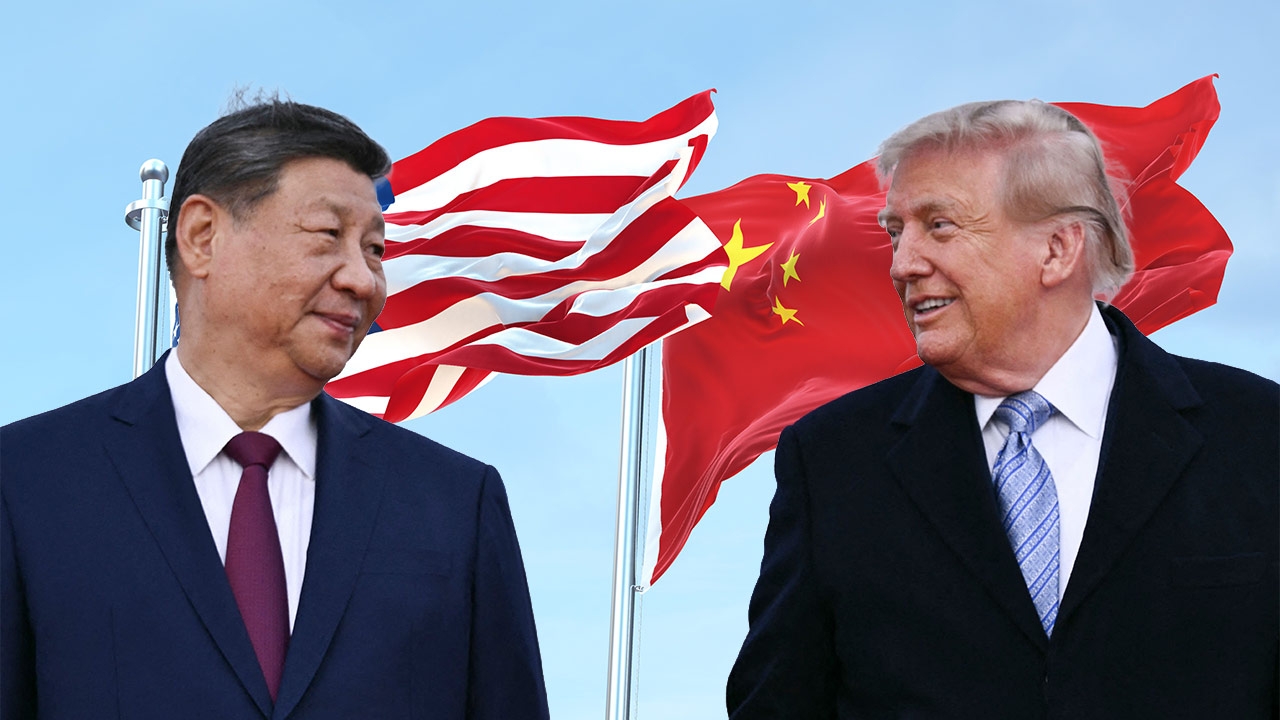
Chinese President Xi Jinping's visit to the United States is not merely a routine diplomatic strengthening but a geopolitical milestone closely observed worldwide amid global economic instability and technological tensions.
The underlying implications of the meeting, the negotiation agenda, and the "impact" that both Thailand's government and private sectors must prepare to handle.

This U.S. visit sends three key signals about the emerging new world order.
Conflict management: Both countries recognize that harsh confrontation harms their economies, so they seek competitive boundaries that avoid escalating into real war.
Security signaling: China seeks external economic security to address internal issues, while the U.S. aims to stabilize supply chains before shifting to a new economic policy direction.
Reaffirming their roles as global powers confirms that global issues—climate change, technology, and financial stability—cannot be resolved without cooperation and acceptance from both Washington and Beijing.

The hot issues the two powers must intensely discuss fall into four main categories.
1. Tariffs and trade: Reviewing import tax measures and easing circulation of certain goods.
2. Control of technology trade and rare earth minerals: The U.S. limits exports of advanced chips and AI technology, while China uses rare earth export controls as a key bargaining chip.
3. Security and the Taiwan Strait: Beijing reiterates the "One China" stance, while Washington aims to maintain maritime stability and balance of power in the Indo-Pacific region.
4. Regional conflict crises: Discussions on Middle East stability and impacts on global energy prices.
When the dragon and the eagle negotiate, the effects inevitably ripple back to ASEAN countries, including Thailand.
Opportunities Thailand can seize.
Production relocation opportunities: Multinationals still follow the "China+1" strategy, giving Thailand chances to attract investment in electric vehicle (EV) manufacturing, electronics, and data centers.
Recovery of global trade atmosphere: Successful tension reduction talks could ease currency pressures and boost Thailand's exports to both countries.
Regional hub role: Thailand can serve as a trade and investment linkage point within ASEAN.

Market flooding: If China faces export restrictions to the U.S., cheap Chinese goods may flood the Thai market, affecting local SMEs.
Pressure to choose sides: Thailand must carefully maintain diplomatic and trade balance to avoid becoming a pawn or a transit point for goods circumventing trade rights.