

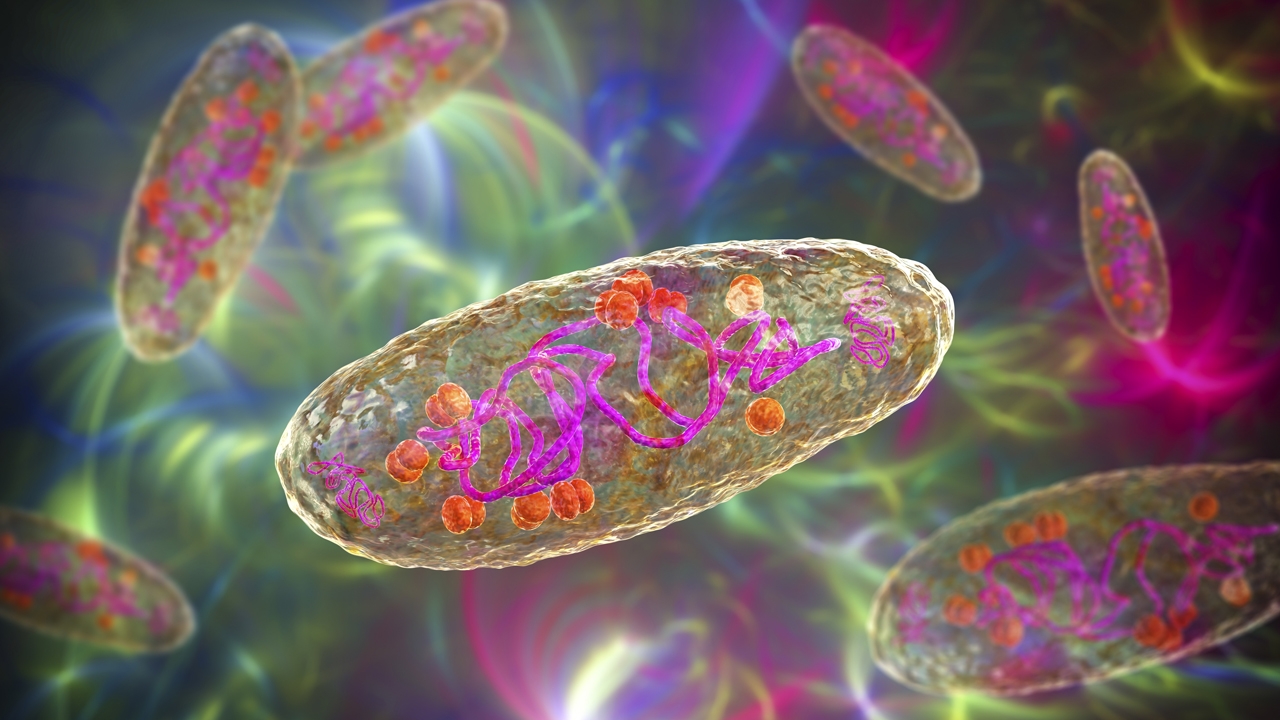
Plague is one of the most severe infectious diseases in human history, having killed hundreds of millions and earning the name "Black Death." Although modern medical science has advanced to treat the disease with antibiotics, plague still requires close monitoring.
Plague is caused by the bacterium Yersinia pestis, which typically lives in small rodents such as rats, squirrels, or prairie dogs.
The rat flea is the primary vector. When the flea bites an infected animal, the bacteria multiply in its stomach. When the flea then bites a human or another animal, it transmits the bacteria into the bloodstream.
Direct contact involves exposure to the blood, pus, or tissues of infected animals.
Airborne transmission occurs in cases of pneumonic plague, where bacteria spread through droplets from coughing or sneezing directly from an infected person to others.

After infection, the bacteria develop and manifest in the body in three forms, depending on the infection route.
Bubonic plague, the most common form (about 80-90% of cases), involves bacteria entering the lymphatic system, causing swelling, inflammation, and severe pain in lymph nodes in the groin, armpits, or neck, known as buboes.
Septicemic plague occurs when bacteria enter the bloodstream directly or evolve from bubonic plague, causing tissue death (gangrene) in the extremities, turning them black—hence the name "Black Death."
Pneumonic plague is the most dangerous and contagious form. The bacteria infect the lungs, causing severe pneumonia, difficulty breathing, and coughing blood. Without antibiotic treatment within 24 hours, the fatality rate is nearly 100%.
Historically, Thailand experienced a major plague outbreak in 1904 (during King Rama V's reign), believed to have been introduced via cargo ships from Hong Kong, spreading for several years in Bangkok and coastal provinces.
Thailand has not reported new plague cases for many decades, successfully controlling outbreaks since around 1952. However, the Ministry of Public Health still classifies plague as a dangerous communicable disease under the Communicable Diseases Act and maintains strict surveillance at international disease control checkpoints.
Risk concerns: Laboratory escape risk
Concerns about the accidental release of plague bacteria from biosafety laboratories are a global biosecurity priority.
Yersinia pestis is classified as a Biosafety Level 3 (BSL-3) pathogen. Handling it requires high-security laboratories with negative pressure systems and HEPA-filtered air.
Despite strict measures, human error, equipment failure, or accidents during vaccine or antibiotic research could lead to infections among researchers and spread into communities.
Surveillance: If a lab escape occurs, key responses include declaring a quarantine zone, rapidly distributing antibiotics to exposed individuals, and conducting epidemiological investigations to limit spread.

1. Medical treatment: must be initiated immediately when infection is suspected.
Administer specific antibiotics such as streptomycin, gentamicin, doxycycline, or ciprofloxacin as soon as symptoms appear.
2. Vector and environmental control: break the transmission cycle.
Properly control rodent populations, improve sanitation, eliminate waste, and regularly use flea control on pets.
3. Enhancing laboratory safety: prevent biosafety breaches.
Strictly enforce Biosafety Level 3 (BSL-3) standards, regularly check air filtration systems, and conduct health screenings of researchers.