

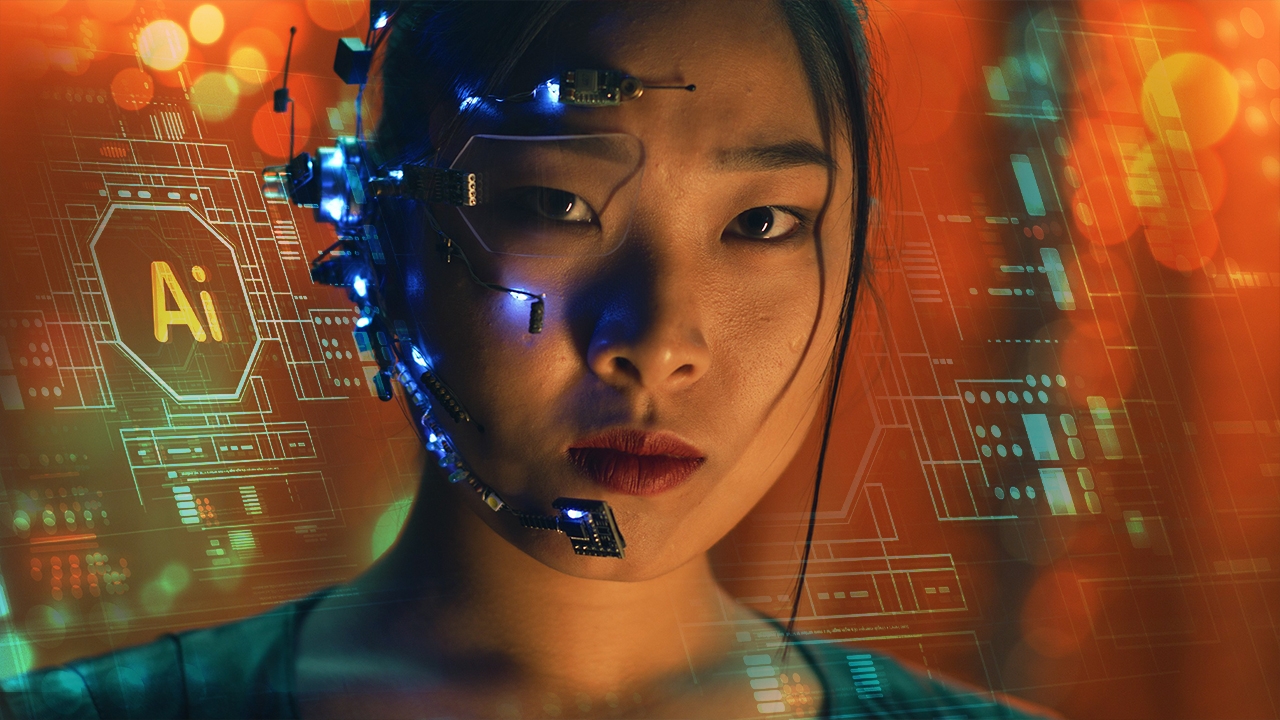
Short video clips in the style of "short dramas" feature characters with unusual appearances, monotone yet clear voiceovers, and extreme, fast-paced storylines. This is the "AI short drama," a new entertainment phenomenon rapidly dominating smartphone screens and garnering millions of views in Thailand.
What factors have made AI short dramas win over Thai viewers? What psychology lies behind them? What are the controversies, and how far can this type of content go in the future?
The success of AI short dramas in Thai society is no accident but addresses the behaviors and psychology of today's consumers.
1. Instant gratification in a short time: Thai society now has a shorter attention span. AI short dramas, lasting only 1–3 minutes per episode, present content that is "concise, swift, and to the point," cutting out setup scenes and leaving only the story's peak moments. This quickly stimulates dopamine release in the brain, creating a "just one more episode" effect, often leading viewers to watch dozens of episodes without realizing it.
2. Easy to consume during free time: Suitable for urban lifestyles and commuters who can watch while waiting for a bus, eating, or during lunch breaks without expending much mental effort to interpret the story.
3. Emotional release and escape from reality: Thais enjoy entertainment that relieves stress. AI dramas often depict situations reflecting real-life frustrations, such as bullying, insults, or workplace injustice. When the protagonist takes revenge or wins at the end, viewers experience catharsis—a satisfying emotional release and a sense of justice served through the character.
4. Visual novelty: The AI-generated lines and characters often appear overly perfect, luxurious, and grandiose, appealing to viewers' fantasy imaginations.

Key points | Traditional dramas (TV / Streaming) | AI short dramas |
Episode length | 45–60 minutes | 1–3 minutes |
Story progression | Realistic setup with subplots, longer buildup to climax | Fast-paced, focused on climax, skipping details |
Emotional and dimensional depth | Detailed, realistic, and plausible | Extreme (extremes), clear-cut black and white |
Production cost and time | Uses teams, actors, locations, and high budgets | Created by an individual or small team using AI for visuals and voice, very low cost |
Viewing platforms | TV, OTT applications (Netflix, Viu) | TikTok, Reels, Shorts (vertical video focused) |

AI short drama plots often use a formula that perfectly captures viewers' emotions, aligned with classic melodramatic literature but sped up tenfold.
Opening with inequality or insult: a billionaire disguised as a dishwasher, a company president disrespected by staff, or a mother-in-law bullying her poor son-in-law.
Betrayal and lowest point: the protagonist is abandoned for a richer lover or falsely accused with no chance to fight back.
Truth revealed: the protagonist discloses their true identity as a chairman, billionaire, or war god.
Satisfying revenge: scenes of payback where the villain bows in apology or is immediately fired.
Cliffhanger ending: episodes close with a challenging remark or the appearance of a new character to entice viewers to the next episode.
The other side: why do some people "dislike" AI short dramas?
Despite their popularity, many viewers reject or dislike this content type for main reasons including:
The AI-generated images and character faces often appear stiff, with lifeless eyes and lacking the charm of live acting (micro-expressions). The AI voiceovers also lack genuine tone and emotional rhythm.
Illogical and shallow storylines: scripts often lack realism, violate logical reasoning, and rely too much on coincidences. Characters are typically clearly black or white, lacking depth and human complexity.
Repetitiveness: after watching 3–4 episodes, viewers can predict the pattern since nearly all plots use the same formula with only context changes.
Ethical and artistic concerns: those caring about art and the creative industry feel AI is disrupting and diminishing the value of real actors, scripts, and production teams.