

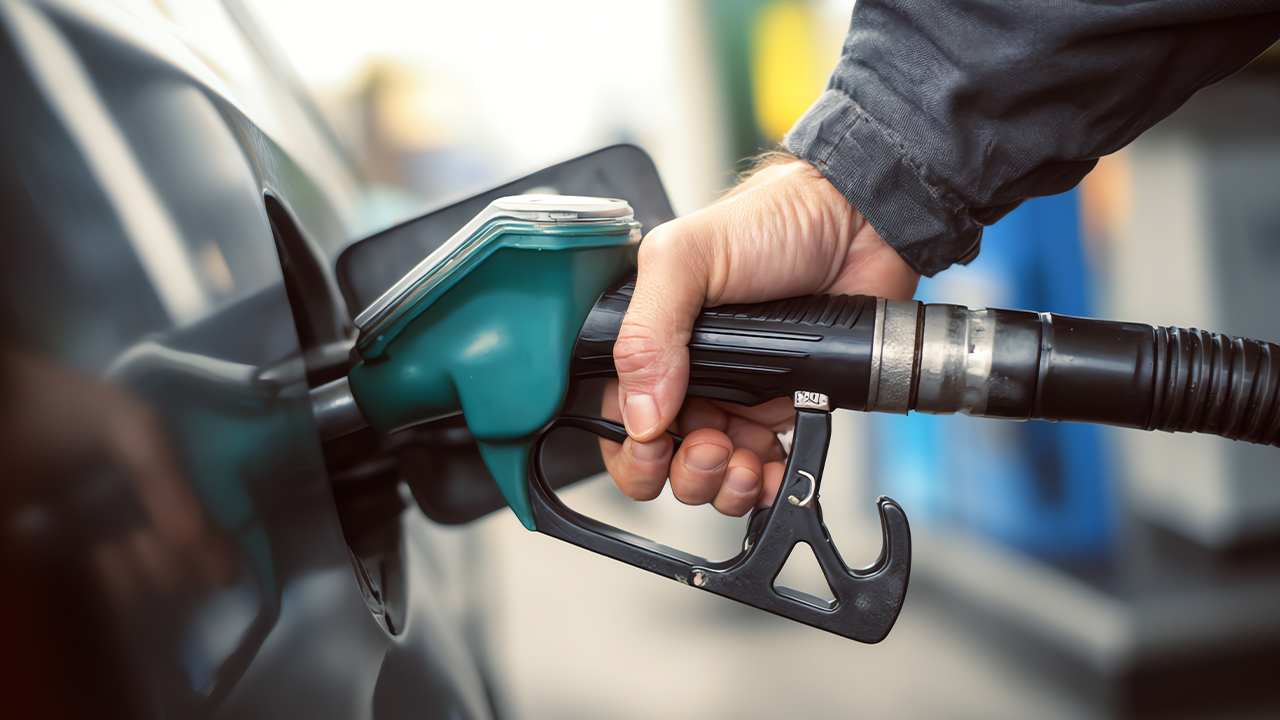
If gasohol 91 and 95 are discontinued, leaving only E20 and gasoline, will fuel users accept this? This question arises after news and proposals suggesting that related agencies may restructure fuel pumps in Thailand.
This has become a hot topic unsettling drivers on the roads after news and proposals aired on the popular program "Rueng Lao Chao Nee" hosted by Yuth Sarayut Sutthasna-jinda. The show mentioned a future idea from relevant agencies to restructure fuel pumps in Thailand by “discontinuing gasohol 91 and 95,” thus limiting main options to just “pure gasoline” and “E20 gasohol.”
Although many analysts see this as merely a “policy proposal” or a “trial to hear public opinion” without a set date for actual enforcement, the key question from consumers’ perspective is: if this policy becomes real, who will bear the consequences?

While reducing fuel types at stations might cut management costs for gas stations and serve as a strategy to encourage use of alternative energy like E20 or shift toward electric vehicles (EVs), for daily drivers of cars and motorcycles, this issue raises three main concerns.
Older cars and ordinary motorcycles will bear the full impact. It is acknowledged that vehicles over 10-15 years old, as well as millions of motorcycles in Thailand, were not designed to handle ethanol blends as high as 20%. If gasohol 95 and 91 are removed from pumps, the only option for these vehicles will be to switch to “pure gasoline,” which currently has the highest price per liter among all gasoline types.
Consumers’ choices are narrowed. The freedom and comfort of selecting the octane level suitable for their engines will disappear immediately. This situation is akin to forcing consumers to accept risks of engine knocking or pay more without alternatives.
Living cost pressures worsen. In an economy where fuel prices and the economy remain volatile, structural policy changes affecting the wallets of daily wage earners become a sensitive issue many people earnestly oppose.
Online opinion polls show most voices express concern and disagreement. They believe if the government wants to promote clean energy or reduce fuel type redundancy, it should start by “creating price incentives,” such as subsidizing E20 to be significantly cheaper than other fuel types or providing relief measures for users of older vehicles, rather than “cutting fuel types” and indirectly forcing the public.
In the end, whether the idea to discontinue gasohol 91 and 95 will remain just a "trial balloon" to gauge public reaction and then quietly disappear or become a real policy that impacts Thai consumers’ expenses in the future remains to be closely watched.