

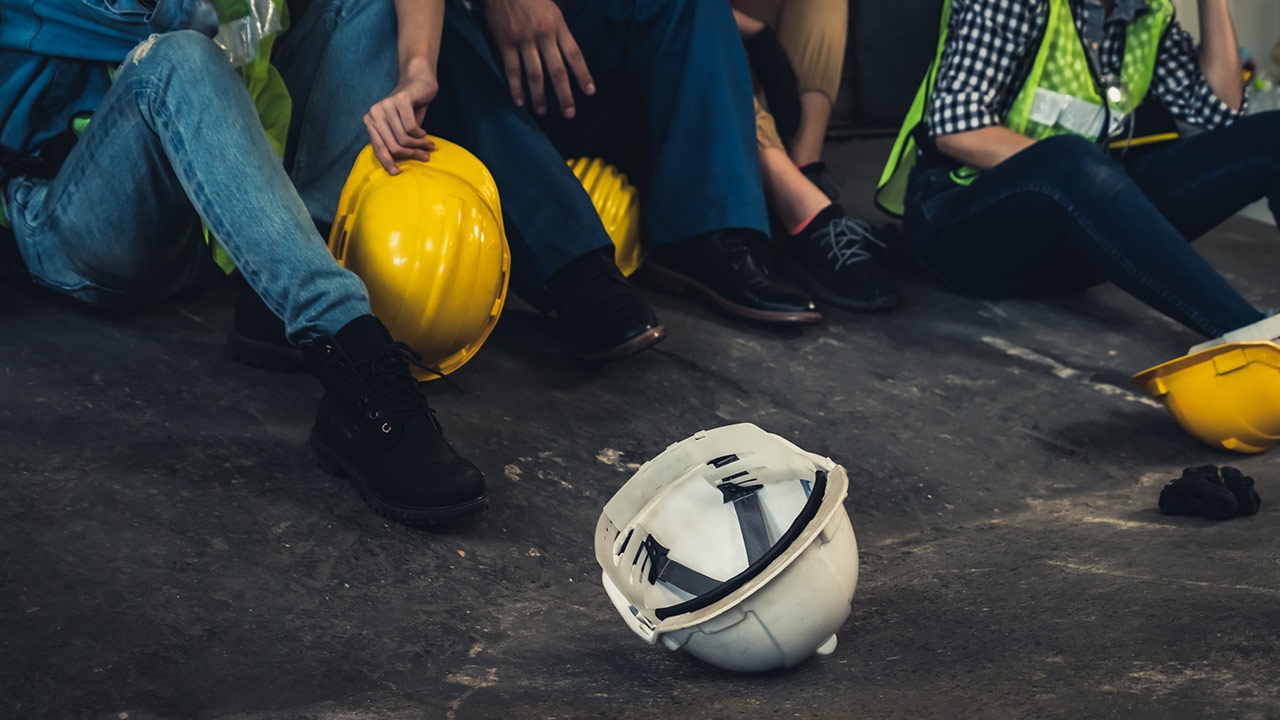
Summary of the bonus dispute at the Daikin air conditioner factory leading to protests and social debate. The conflict between employees and Daikin Industries (Thailand) Co., Ltd. has become a hot issue on social media and in the media, starting from some employees' dissatisfaction with the company's annual bonus proposal for 2025.
1. Starting point: Dissatisfaction with the bonus offer.
Company proposal: Daikin confirmed its offer of a 5-month bonus plus a special payment of 12,000 baht and a 2% salary increase.
Employee demands: Initial reports varied, with information that employees requested bonuses much higher than the offer, such as 9 months, and rumors even mentioned demands of 18 months plus 200,000 baht.
Fact from the union: The labor union president confirmed the actual demands were not as high as rumored and that the demands were gradually lowered.

2. Complex issue: Bonus culture and gold awards.
Reports indicated the conflict was not only about the number of bonus months but also involved the culture of awarding gold to employees with 10 years of service. Due to the rising gold prices, the company combined this cost with the overall bonus budget and proposed replacing the gold with 40,000 baht cash instead, which dissatisfied some employees. The company then offered to raise the bonus to 7-8 months if employees agreed to remove or convert the gold award to cash.
3. Protests and prolonged negotiations.
Protests: Employees gathered to protest in front of the factory in Amata City Industrial Estate, Chonburi, because negotiations failed to reach a conclusion despite multiple rounds.
Mediator: The Chonburi provincial labor office acted as a mediator to help both sides reach an agreement and resolve the conflict.

4. Latest situation: No confirmed information about "work stoppage or layoffs" officially.
There is no clear confirmation that the company has implemented a "lockout" or "laid off" employees due to the bonus dispute. Only reports of conflict and intense protests exist. However, the prolonged protests could lead to legal actions from both sides in the future if no agreement is reached.