

Comparing US and Chinese positions in the geopolitical contest after the 72-hour Thai-Cambodian ceasefire expires, noting China’s ceasefire mediation holds more influence than Trump. Hun Sen opposes territorial gains by force, with a high chance of a third clash still present.
Yesterday (29 Dec 2025 GMT+7), a tripartite meeting in China addressing the Thai-Cambodian border dispute reached an agreement. Thailand seeks a sustainable ceasefire, mine clearance, and crackdowns on transnational crime. If the 72-hour ceasefire passes without incident, the handover of 18 Cambodian soldiers back to Cambodia will begin. Then Thailand will ask Cambodia to consider allowing Thai detainees in Poipet to return home.
However, Hun Sen’s official Facebook page posted a statement from the Secretariat of the Border Affairs Committee requesting an urgent joint meeting with Thailand’s Joint Border Committee (JBC) to expedite border surveying and clearly demarcate the boundary in January 2026 in Siem Reap, Cambodia. The document firmly states Cambodia will not accept any changes arising from the use of force at locations including Ban Chok Chey, Prey Chan in Banteay Meanchey province; Battambang province; Thmor Da in Pursat province; and other border crossings. It also affirms the committee’s commitment to defending the international border and fully respecting international law.

Meanwhile, recent reports from the Thai side indicate that despite the ceasefire, numerous Cambodian drones were observed flying along the border at night to conduct surveillance. This has led Thailand to delay repatriating the 18 Cambodian soldiers.
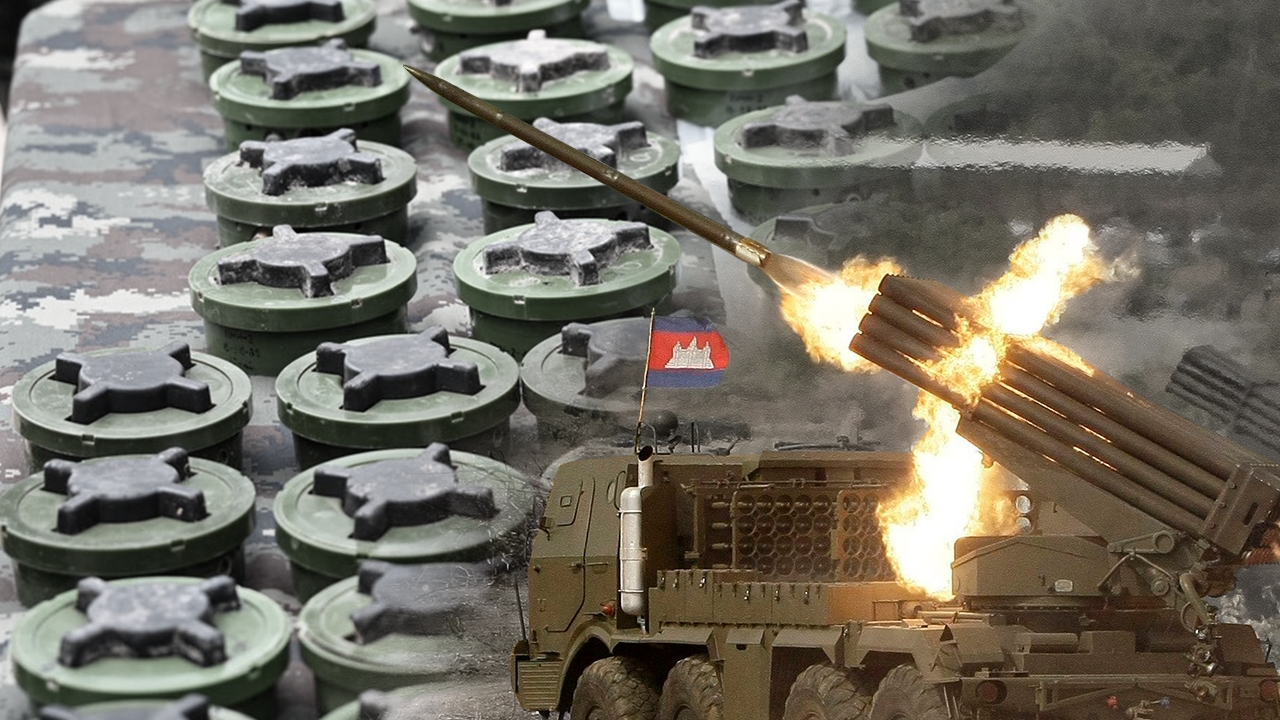
China’s stance has drawn attention from many countries, as China is a major power influencing Cambodia, which imports most of its military weapons from China. Military sources analyze that the likelihood of a third round of clashes between Thailand and Cambodia remains high.
Previously, Thailand and Cambodia negotiated ceasefires through US mediation, with agreements signed in Malaysia. However, clashes resumed heavily afterward. Recently, China has stepped in as mediator, carrying significant geopolitical implications. A senior military source noted that despite ceasefire talks, Cambodia continues to fly drones provocatively, suggesting another clash is probable sooner or later, as Cambodia’s leader has clearly stated he will not concede defeat.
China’s role as mediator creates leverage, as the Thai-Cambodian conflict zone is a battlefield for US-China power competition, aiming to legitimize their influence in the region. After the initial ceasefire signed under US auspices, fighting resumed, and former President Trump posted about it on social media. Notably, China invited both Thailand and Cambodia to talks in China, though the details remain undisclosed. Ultimately, China appears to prefer Cambodia maintaining autonomy, a separate issue from whether Cambodia will continue fighting Thailand.

China’s mediation reflects the image of a major power employing the Greater Mekong Subregion–Lan Chang cooperation framework, which holds greater influence than US-backed subregional groups. This exemplifies major powers vying for geopolitical dominance.
Asked to compare US and China as mediators in the Thai-Cambodian ceasefire, sources see their influence as roughly equal. Hun Manet is close to the US, as evidenced when Cambodia chose to call the US before China during clashes.
Cambodia’s Ream Naval Base is a strategic asset coveted by both the US and China for regional influence. China’s mediation role is critical to watch, as Cambodia imports most of its weapons from China, necessitating mutual trust building.
“Cambodia’s willingness to fight Thailand clearly shows it has long been stockpiling weapons and fortifying strongholds, with tanks deployed since 2011 (2011 CE). However, Cambodia did not anticipate Thailand’s intense military response.”

Hun Sen’s declaration rejecting any territorial changes caused by force is his prerogative. He aims for Cambodian public acceptance regardless of Thailand’s stance. Importantly, Cambodia understands Thailand will not advance beyond its territory, at least not losing disputed land to Thailand.
Thailand’s next steps include strengthening defensive measures. Military analysts believe Cambodia is only pausing temporarily and will not cease hostilities. If another clash occurs, Thai forces must mobilize more heavily. Thailand should release the 18 Cambodian soldiers, as detaining them does not affect clashes. If detained soldiers die or harm themselves, it could harm Thailand’s position.