

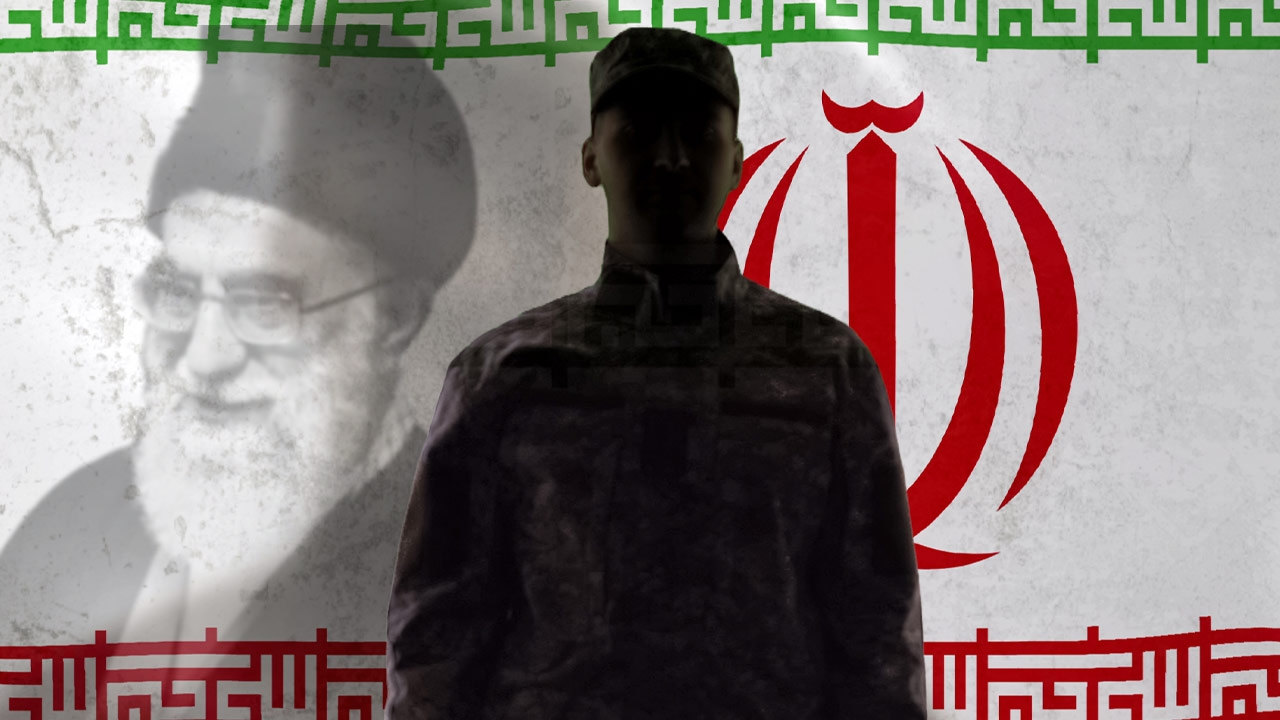
Who is Iran’s new leader? The wartime selection process may have to break with tradition. Experts see Mojtaba Khamenei, son of the former leader and head of military forces, as the top candidate. Here is an inside look at the selection steps and the strict rules of the Assembly of Experts.
An attack on Iran, conducted by Israel in cooperation with the United States, resulted in the death of Iran’s 86-year-old Supreme Leader, Ayatollah Ali Khamenei, early Sunday morning (28 Feb 2026). The world is now closely watching the selection of a new leader amid the crisis, with military leadership likely. Previously, the late leader had assigned important duties to his son, Mojtaba Khamenei.

Dr. Sarawut Aree, Director of the Muslim Studies Center at the Institute of Asian Studies, Chulalongkorn University, told Thairath Online’s special news team that following the death of Iran’s leader from Israeli and U.S. attacks, a transfer of power to a new leader will take place. The selection process is already set: it is the responsibility of the Assembly of Experts, which has 88 members. The new leader will be chosen similarly to when Ayatollah Khomeini died, with the Assembly selecting the leader within 24 hours.
However, this period differs from the past because it is wartime. Thus, there may be a shift to appoint a military leader from the Islamic Revolutionary Guard Corps (IRGC). This is another possible approach in selecting the new leader.
The selection procedure for Iran’s new leader by the Assembly of Experts is already structured and managed, and this body is very important. Therefore, there are not many steps; the members simply convene to discuss and select the new leader.

In earlier transitions, there was debate about whether there should be a single supreme leader or three leaders. Discussions concluded that a single leader was best for clear command. Those favoring three leaders wanted a balance of power. Ultimately, the Supreme Leadership Council chose a single leader, a tradition that continues today.
Since the 1979 revolution, Iran has had only two supreme leaders: first, the revolutionary leader Ayatollah Khomeini; second, the recently deceased Ayatollah Ali Khamenei. A third candidate is currently in the selection process.

Notably, a key figure in Iran since the late leader was alive is Mojtaba Khamenei, his son. He oversees security agencies, intelligence, and the Islamic Revolutionary Guard Corps (IRGC). He has drawn special attention and could rise to leadership now due to ongoing attacks and the need for strong military leadership.
Under normal circumstances, Mojtaba Khamenei’s name would not be mentioned because Iran’s system opposes hereditary power transfer, and Iranians resist dynastic succession. However, wartime conditions and the need for continuity in policy against Israel and the U.S. make him the most suitable candidate now.

Mojtaba Khamenei’s strength lies in the fact that his elderly father, aged about 86, had delegated major responsibilities to him. He already works in security and can provide continuity during wartime. His weakness is that Iran generally disapproves of hereditary leadership, so some may oppose him.
The war will likely continue. The assassination-style killing of Iran’s leader is expected to galvanize Iran’s allies in several countries—including Iraq, Bahrain, Eastern Saudi Arabia, Lebanon, and Syria—potentially expanding the conflict beyond its current form.