

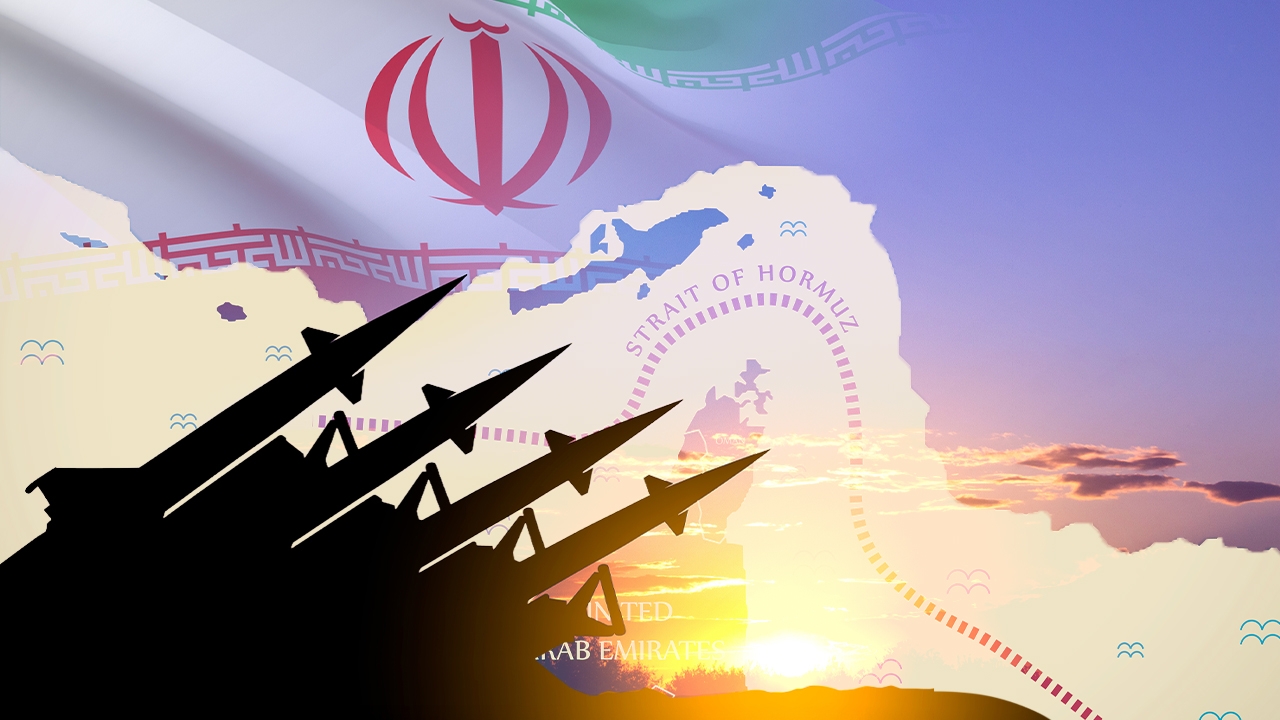
Watch Iran as it closes two major straits, vital transport arteries to Europe, impacting Thai oil and goods exports, while preparing for an unconventional war that threatens global security and stability.
Iran's attack, under an operation involving Israel and the United States, resulted in the death of Iran's 86-year-old Supreme Leader Ayatollah Ali Khamenei early Sunday morning (28 Feb 2026). This has drawn global attention to the consequences, especially the unconventional war that could affect the networks of major powers. Additionally, attention focuses on the potential closure of two key straits—the Strait of Hormuz and the Bab al-Mandeb Strait—which serve as major routes for transporting oil and goods to Europe, affecting Thailand's exports.
Dr. Sarawut Aree, Director of the Muslim Studies Center at the Institute of Asian Studies, Chulalongkorn University, believes the death of Iran’s leader will deepen resentment among Iranians and serve as a catalyst for Shiite Muslims in the Middle East to join in opposing the United States and Israel.
This means that an informal and unconventional war is likely to erupt again, with attacks targeting American and Israeli interests worldwide.
What is particularly notable is the potential closure of these two key straits, which are vital shipping routes that could disrupt the global economy. Iran’s pressure to close the Strait of Hormuz would affect the only maritime outlet for most of the petroleum exports from countries in the Persian Gulf and serves as a crucial shipping lane to Europe.

Currently, Iran has ordered oil tankers not to transit the strait. Although there is no official declaration closing the Strait of Hormuz yet, it is expected to be closed soon. This will likely lead to confrontations between those who want to keep the strait open and Iranian forces who oppose this, turning the area into a significant battleground.
Closing the Strait of Hormuz would disrupt oil shipments from the Persian Gulf, which accounts for one-fifth of global oil supply, causing worldwide oil prices to rise and possibly leading to shortages. The Strait of Hormuz is a key passage that has never been closed long-term except briefly during the Iraq War. This conflict may be the first long-term closure in history.
Additionally, the Bab al-Mandeb Strait is crucial. The Houthi rebels in Yemen, supported by Iran, have declared their alliance with Iran against the United States and Israel. This strait is a vital route for goods heading to the Suez Canal en route to Europe, serving as an important trade passage between Asia and Europe.
Therefore, if Iran and its allied groups close both straits, it would severely impact global shipping and the world economy, with repercussions for Thailand, including exports of oil from the Persian Gulf.
Regarding the impact on Thailand, it is clear that Israel and the U.S.’s attacks on Iran are not aimed at negotiating nuclear issues but at changing Iran’s regime. Thus, the United States and Israel are pushing for a swift regime change in Iran, though whether this will happen remains uncertain.

Iran still has the capacity to retaliate, as shown by its attacks on American bases in various parts of the Middle East. Iran has also announced it will escalate attacks on American and Israeli interests within hours. This indicates the conflict will be prolonged, with significant economic and security repercussions worldwide.
For Thailand, which has interests in the Middle East, especially workers in Israel, business investors in the region, and students studying there, the long-term effects may be significant. Therefore, Thai authorities should prepare for rapid changes and consider sourcing oil from places outside the Middle East while closely monitoring security issues.