

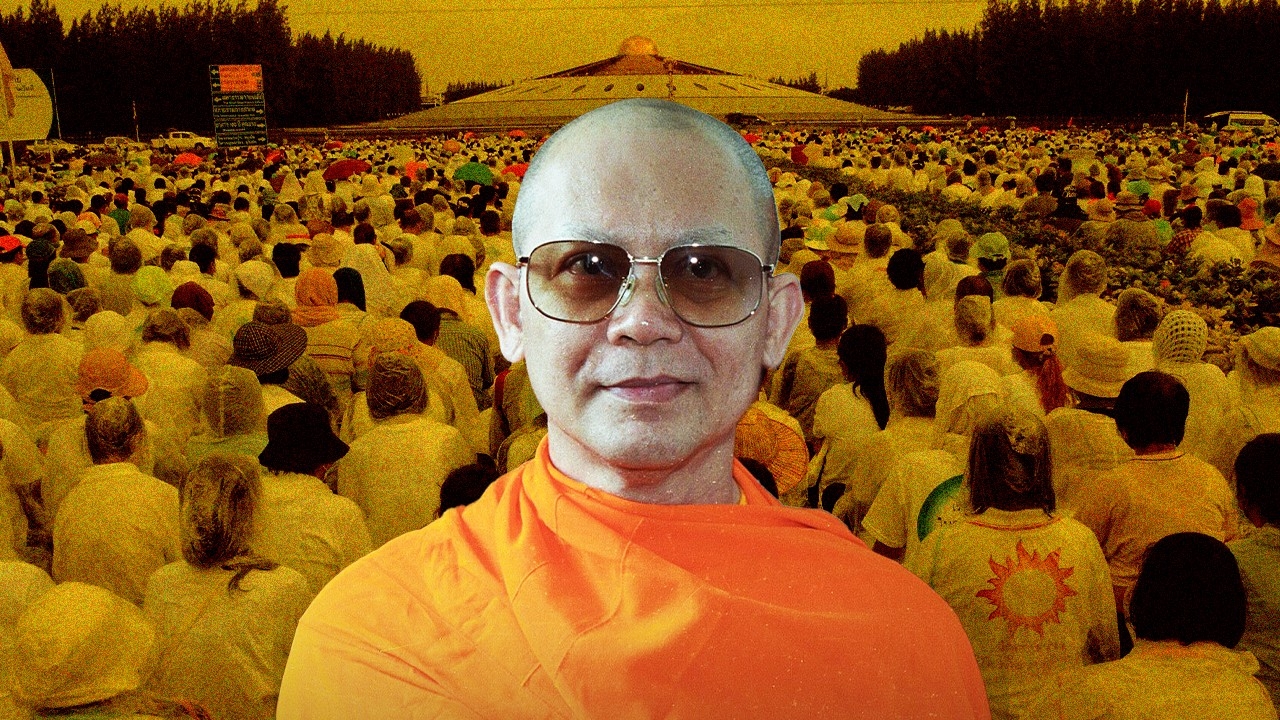
The money laundering case against Thammachayo has ended due to the 15-year statute of limitations, leaving society unsettled over the absence of accountability and concerns over repeating such impunity.
In the case involving Luang Por Thammachayo, former abbot of Wat Dhammakaya, charged with money laundering and receiving stolen property, proceedings have ceased due to expiration of the statute of limitations. The offenses occurred between 2009 and 2011, and under Criminal Code Section 95, the statute of limitations for money laundering is 15 years, meaning the case has expired and cannot be reopened or prosecuted on the original charges.

Thairath Online's special reporting team interviewed Dr. Nattanun Sudprasert, also known as “Kru Nut, the Tipitaka Worm,” a scholar of law and Buddhism. She said that at the time she gave testimony related to the Tipitaka, explaining which teachings were correct or incorrect before an arrest warrant was issued. However, when the arrest was to be made, authorities could not detain Luang Por Thammachayo because he disappeared during the warrant's issuance.
More than ten years have passed, and with the case expired due to statute of limitations, it is no longer possible to reopen or prosecute on the original charges. Even though he has appeared publicly now, arrest on this case remains impossible.
From her personal view, Kru Nut believes that entering the justice process is part of proving innocence. If one is confident they did not commit wrongdoing such as embezzlement, fraud, or corruption, they should participate in the process to clarify the matter.

However, appearing publicly without undergoing judicial verification may damage public image, as there is no conclusion of innocence or guilt. This divides public faith: some continue to believe, while others question why the justice process was avoided. The term “fleeing” may reflect this latter group's perspective.
Regarding Buddhist monastic discipline, she pointed out there is no statute of limitations. If wrongdoing occurred, one can still be charged with offenses or face ecclesiastical proceedings. For those who remain ordained, disciplinary decisions rest with the monastic community, which is an internal matter beyond outsiders' reach.
In criminal law, once the statute of limitations expires, the case cannot be extended or reopened unless new offenses or relevant actions occur, allowing prosecution again. The DSI clearly states that even if he appears, arrest is impossible because the warrant has been revoked.

She foresees similar cases might arise in the future and urges police to address procedural gaps in arrest and detention promptly. Actions should be swift and prevent information leaks, especially in cases involving damages worth hundreds of millions of baht. Authorities should arrest and detain suspects quickly, even if some evidence is incomplete, as financial forensic methods and tracking money flows can form a basis for prosecution from the start.