

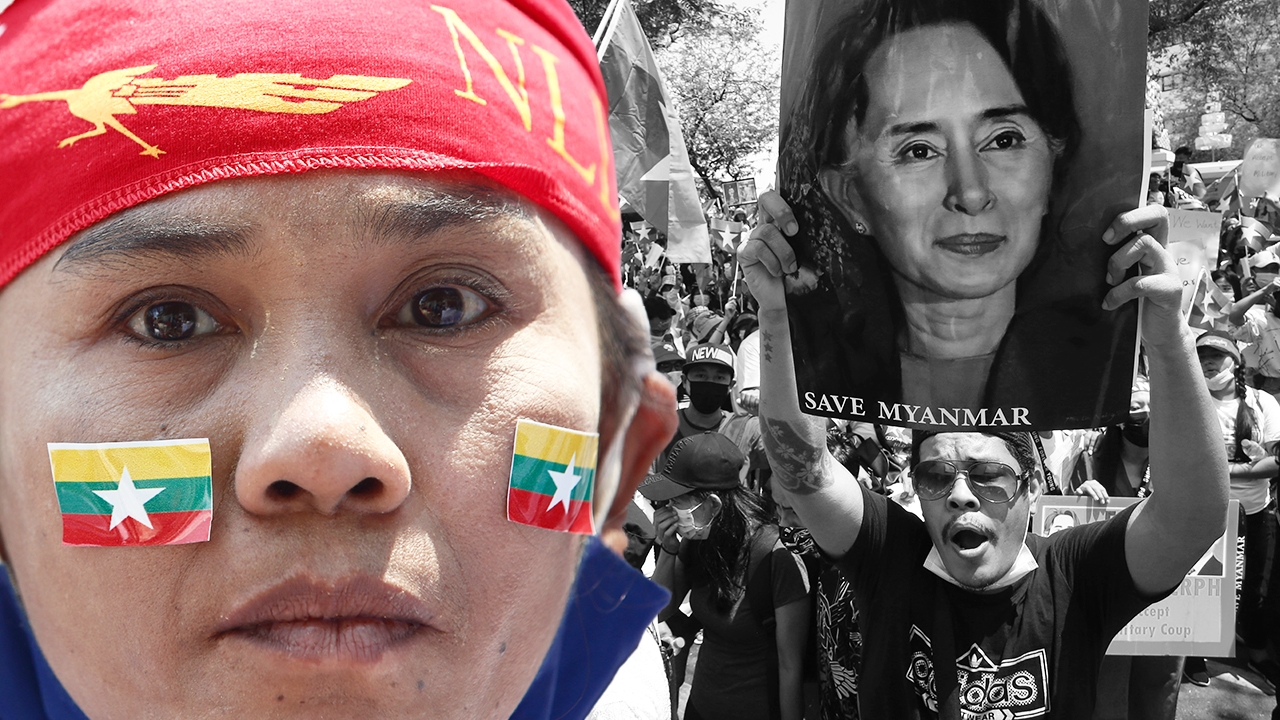
Myanmar remains under the control of military leaders. Examining the chances of freedom for Aung San Suu Kyi, including her sentence reduction and a large-scale prisoner amnesty by Myanmar's military government under Senior General Min Aung Hlaing. During the recent Songkran or Myanmar New Year festival, an interesting future outlook emerged, especially as many Myanmar workers are currently employed in Thailand.

The reduction of Aung San Suu Kyi's sentence by about 4.5 years from a total of 27 years, along with the release of over 3,000 prisoners, is not merely an annual customary amnesty but involves the following issues.
Easing international pressure: Since 2021, Myanmar's military government has faced heavy sanctions and pressure. This move may be a symbolic gesture of compromise to reduce global tensions.
Age and health factors: At 80 years old, Suu Kyi remains imprisoned amid intense conflict in the country, posing a risk to the military government's image should any unexpected health issues arise. The sentence reduction might lead to a shift toward "house arrest," which is easier to manage politically.
Building internal stability: As Myanmar continues to experience turmoil from fighting with ethnic groups and PDF forces, the amnesty may serve as a tool to lessen the anger of some segments of the population.

Analyzing Myanmar's politics, three main possible future developments emerge.
1. Transition to "house arrest."
Although not yet confirmed, analysts view this as the first step in relocating Suu Kyi from prison to a safer, more private place, helping to reduce humanitarian criticisms from international organizations.
2. Using "Suu Kyi" as a political bargaining chip.
The military government may use the sentence reduction or future release of Suu Kyi as conditions for negotiations with opposition groups or as a tool to legitimize elections as previously announced, despite ongoing doubts about election credibility.

3. Ongoing unresolved conflict.
The slight sentence reduction—leaving over 20 years remaining—may be "insufficient" to persuade protesters or armed opposition groups to disarm, as their goals have moved beyond the individual (Suu Kyi) to dismantling the military regime entirely.
Senior General Min Aung Hlaing's move reflects a policy of "leniency without relinquishing control," following the New Year tradition to lower political temperature. However, structurally, Suu Kyi remains restricted, and Myanmar continues to face major internal conflict challenges that an amnesty alone cannot resolve.